
Eggplant is a warm-season crop. Plant seedlings once frost has passed and the weather is reliably warm, give it a sunny spot with free-draining soil, and keep moisture steady. Pick the fruit while the skin is glossy and firm.
Most problems come from planting too early into cool conditions or from uneven watering. Both are fixable with timing and routine.
How warm does eggplant need it to be?
Sustainable Gardening Australia says eggplants like a fair bit more warmth than tomatoes, cannot tolerate frost and dislike long cool spells. The University of Maryland Extension describes it as a very tender warm-season annual, and notes that cold slows growth and root development.
Practical meaning: a seedling set out into a cold snap can sit and stall. Waiting a couple of weeks for settled warmth usually beats an early start.
When should you plant by climate zone?
Published windows differ a little between sources, and local conditions matter more than the calendar. Use this as a starting point and check your own last-frost experience.
| Climate | Seedlings out | Notes |
|---|---|---|
| Warm (subtropical and warmer) | October to December; seed from September | Per Sustainable Gardening Australia. Plant earlier or later only if your local conditions suit |
| Temperate | Late September to December | Once frost risk has passed |
| Cool to cold, highlands, Tasmania | October to December | Choose faster-maturing types for shorter summers |
The same source lists maturity at roughly 10 to 14 weeks depending on variety, so a late start in a cool area can run out of season. For the tropics and arid inland, no specific window was confirmed here: check local advice, and avoid planting into the hottest, driest weeks without shade and reliable water.
If you are working out your subtropical sowing sequence, the month-by-month planting calendar for warm-climate gardens shows how eggplant fits around other crops.
How do you raise seedlings?
Buying seedlings is the simplest route. If you raise your own, start seed in a warm, sheltered spot, because eggplant seed germinates poorly in cool conditions. The Maryland guide recommends transplants of about 8 to 10 weeks old, so count back from your planting date.
Harden seedlings off for several days before planting out: a little more sun and wind each day. Prepare the bed about a month ahead with compost, as Sustainable Gardening Australia suggests, and plant about 50 cm apart.
Rotate crops. Avoid planting eggplant where tomatoes, chillies, potatoes or other eggplants grew recently. Allow at least three years to be safe.
Pots or garden beds?
Both work. Beds with compost-enriched, free-draining soil are the easiest to keep evenly moist. Heavy, dense clay is a poor choice.
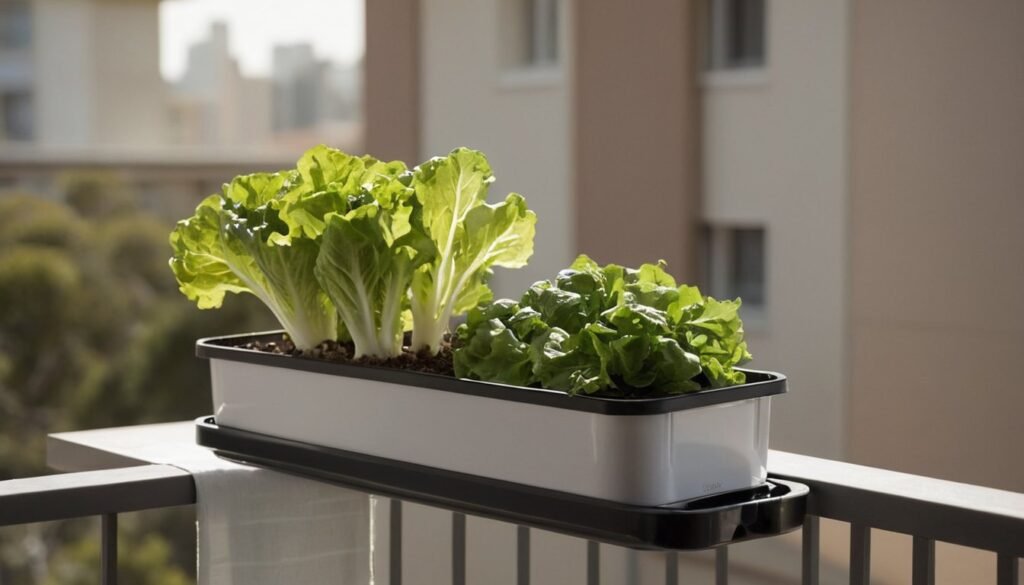
Pots suit small spaces and give you control over soil, but they dry out fast in summer heat, so watering becomes the main job. Sustainable Gardening Australia notes that Lebanese and Thai types are easy to grow, suit pots and mature faster. Use a large pot with drainage holes and a quality potting mix, and expect to water more often than you would a bed.
How do you stake, water and feed?
- Stake early. Drive a stake in about 10 cm from the stem and tie loosely with something soft, such as an old stocking, so the stem is not cut. Large-fruited varieties especially need support when laden.
- Pinch the tip. The Maryland guide suggests pinching back the growing tip when plants are about 30 cm tall to encourage branching.
- Mulch, but not against the stem. Mulch holds moisture; keeping it clear of the stem helps avoid collar rot.
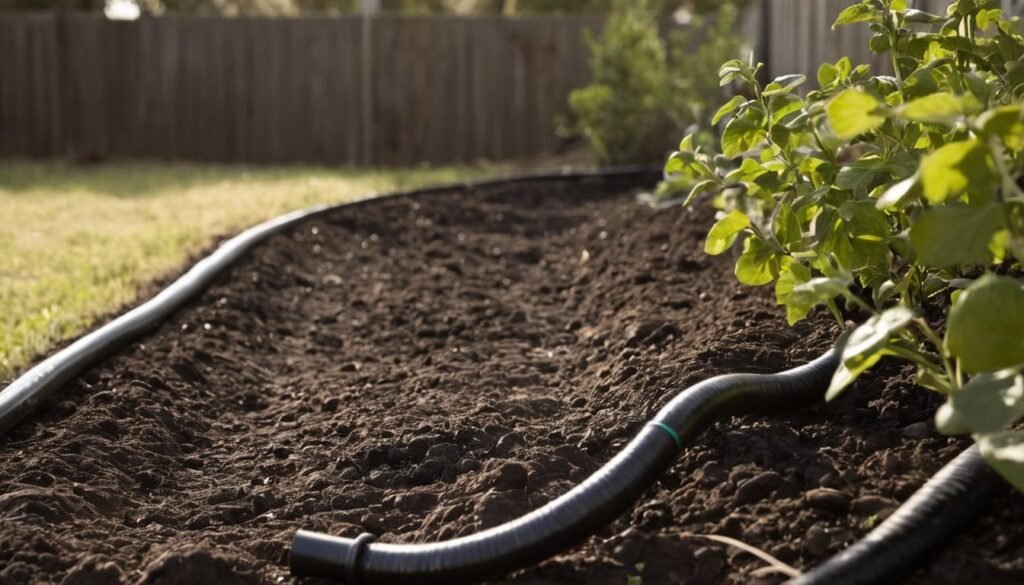
- Water steadily. Do not let plants dry out and swing back to wet. Drying causes misshapen fruit. Drip or soaker watering makes this easier.
- Feed at flower buds. A slow-release or poultry-based fertiliser at label rates when buds appear is a common approach. Over-feeding is listed as a cause of flower drop, so more is not better.
Why are the flowers dropping?
Sustainable Gardening Australia lists several possible causes: too much or too little water, not enough light, over-fertilising, possums and thrips. Check flowers for tiny insects, review your watering pattern and confirm the plant gets full sun.
Cold nights also reduce vigour and yield, according to Maryland Extension. The exact cause is not always clear, so change one thing at a time. Sources opened for this article do not give a firm single explanation, and it is uncertain which factor dominates in any given garden.
How do you know when to harvest?
Pick when the fruit is a usable size, firm, and the skin is glossy. Maryland Extension suggests cutting at about two-thirds of the variety’s full size and describes ripeness as very glossy skin with a thumbnail dent that stays. Fruit with dull skin and brown seeds is overripe, and leaving it on the plant lowers productivity.
Cut the fruit with secateurs or a sharp knife, leaving a short stalk, rather than twisting it off. Harvesting regularly keeps the plant productive, and a plant stripped of ripe fruit has more energy for the next flush.
Because the sources give size only as a rough guide, try a fruit or two at slightly different sizes and note which you prefer for next season. Record your planting and first-harvest dates too, which builds useful local evidence.
Fruit shape varies by type: tear-shaped Italian types, long slender Asian types, and small round or egg-shaped fruit. Slender and small types generally mature sooner, which helps where summers are short.
What pests should you watch for?
- Holes in leaves: Often caterpillars. Check the plant by hand and remove them.
- Fruit fly: More of a problem in warm climates, so pick up and bin fallen or damaged fruit.
- Powdery mildew: Water the soil, not the leaves, and bin affected leaves.
- 28-spotted ladybird beetle: A leaf-eating relative of the helpful ladybirds. Skeletonised leaves, clusters of eggs under the leaf and spiny yellowish larvae are the signs. The Pacific pest guide says spot count is unreliable for identification, but adults have stiff hairs on the upper surface, unlike beneficial ladybirds. Hand-pick larvae and adults while numbers are low, check leaf undersides, and keep weeds down.
If you ever consider a spray, check the product label and your state agriculture department first. Do not assume every ladybird-shaped beetle is a pest.
What common mistakes should you avoid?
- Planting out while nights are still cold.
- Letting soil dry out, then flooding it.
- Mulching against the stem.
- Leaving overripe fruit on the plant.
- Putting eggplant after tomatoes, chillies or potatoes.
- Assuming it will come back as a perennial. Whether it survives and fruits well over several years in frost-free areas was not confirmed by the sources opened, so treat it as an annual unless local experience says otherwise.
For another crop with similar warmth and watering habits, see the comparison of low and trellised bean types. To plan the nightshade family together, read the advice on raising capsicums and hot peppers.

 By anastasnowla@gmail.com

No comment yet, add your voice below!