
Luffa (also spelt loofah) is a vigorous climbing gourd that needs a long, warm, frost-free season and a very strong trellis. Pick the fruit young, at about 15 cm, to eat like zucchini. Leave others on the vine until they turn yellow to brown and dry, and the fibre inside becomes a sponge.
You can do both from one planting, but you must decide early which fruit are for the kitchen and which are for sponges.
Does your climate give luffa enough season?
Luffa is a tropical-leaning plant. ABC Organic Gardener says it thrives in the warm tropics but can still be worthwhile in cooler parts of Australia. Gardenate gives a soil temperature range of 20 to 30 degrees Celsius and about three months to harvest. Sponges take longer, because the fruit must mature and dry.
Sowing windows depend on your site, so treat the table as a starting point and check against your last frost and soil warmth.
| Zone | Sensible approach |
|---|---|
| Tropical | Sow at the start of the warm, wetter months or in the dry season with irrigation. Heat is rarely the limit. |
| Subtropical (south-east Queensland, northern NSW coast) | Start seed in trays in late winter to spring once nights are mild, and plant out after frost risk passes. |
| Temperate | Start under cover in spring, plant out only when soil is warm. Expect smaller sponge harvests in short summers. |
| Cool, highlands, Tasmania | Possible for young eating fruit with a greenhouse or sheltered wall. Mature sponges are unreliable and not established for these areas. |
For wider planning, use this regional timing guide for warm gardens alongside your own frost records.
How do you sow and plant luffa?
- Soak seed in water overnight to help it start.
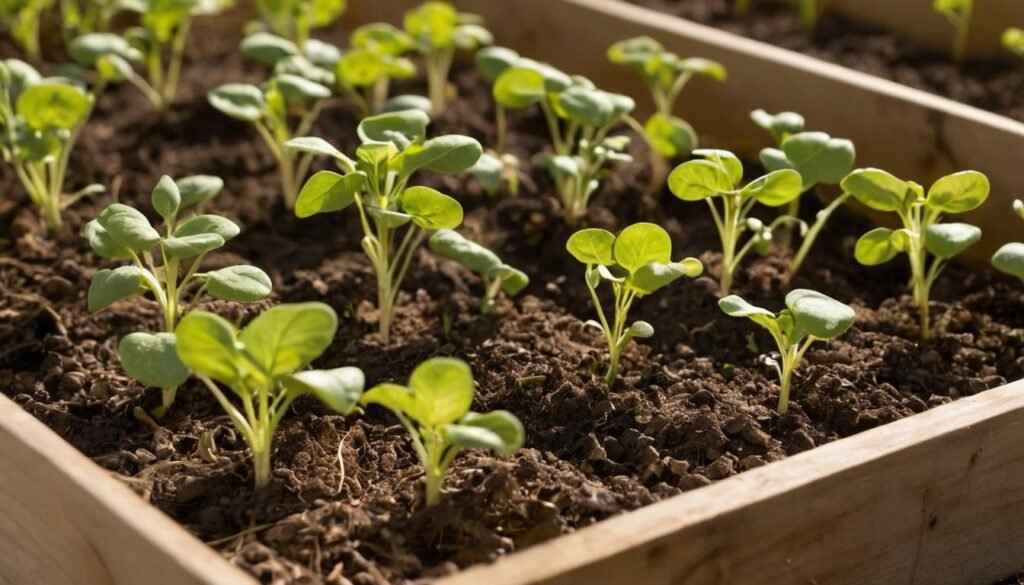
- Sow into individual pots at roughly three times the seed’s diameter deep. Gardenate recommends raising seedlings in trays, then transplanting after 4 to 6 weeks.
- Keep seedlings warm. Do not plant out until frost risk has passed and the soil has warmed.
- Choose full sun and well-drained soil enriched with compost.
- Space plants 45 to 75 cm apart along the trellis (Gardenate figure).
- Mulch and water deeply and regularly. Luffa grows fast and does not like drying out.
Direct sowing works in the tropics and warmer subtropics, where the soil is reliably warm. Elsewhere, a head start in pots buys the weeks you need.
What sort of trellis does it need?
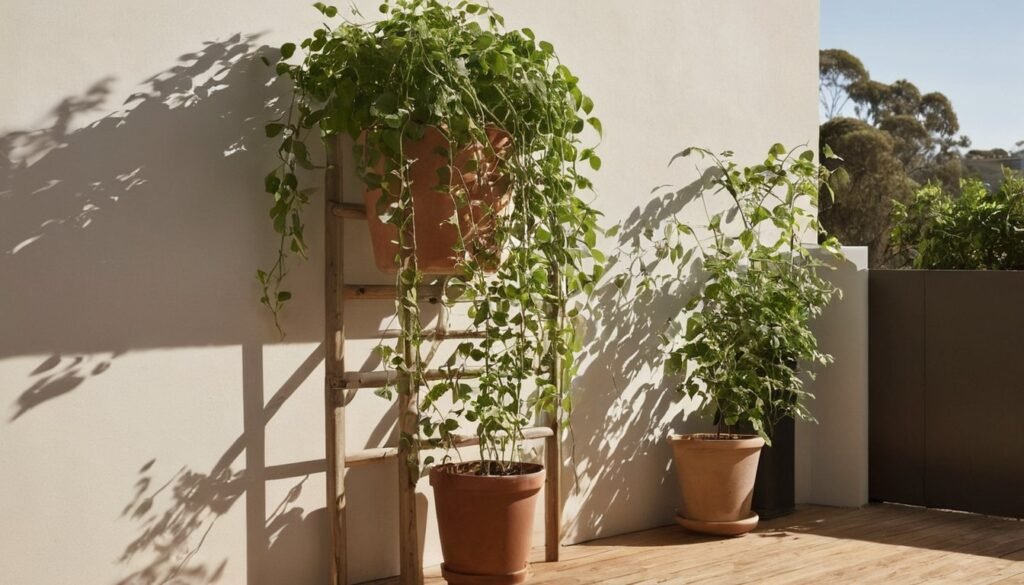
A far stronger one than most people build. Clemson calls for a sturdy trellis to keep fruit off the ground so it does not rot. Vines can grow very long (University of Florida extension notes up to about 9 metres), and mature fruit are heavy once they fill out.
- Use treated posts set well into the ground, with heavy-gauge wire or rigid mesh between them.
- Aim for at least 2 metres high so fruit hang freely.
- Tie vines in as they climb and keep the lower trellis open so you can find the fruit.
- A shade-cloth-free, sunny arch or pergola also works, if it can carry the weight.
It is the same job as training cucumbers up a frame, only much bigger. Gardeners who have built supports for other heavy climbers, such as the climbing cactus fruit covered in another guide, will recognise the need to over-engineer the structure.
How does pollination work?
Luffa produces separate male and female yellow flowers. The University of Florida describes female flowers as carrying a tiny undeveloped fruit at the base, which swells if pollinated. Males usually appear first, so a vine can flower for a while without setting fruit. That is normal.
If fruit shrivel and drop, pollination is the likely cause. Encouraging bees with nearby flowering plants is the best long-term answer. Illinois Extension suggests hand-pollinating female flowers when pollinators are scarce, by transferring pollen from a male flower with a small brush or the flower itself. Do it in the morning.
When do you pick luffa to eat, and when for sponges?
To eat: Pick young, tender fruit. Sources give sizes of about 10 to 18 cm; the University of Florida says pick at around 15 cm and not to wait too long. Clemson notes fruit can grow 2.5 to 4 cm a day, so check the vine every day or two in peak season. Cook it like zucchini or squash. Fruit becomes fibrous quickly as it matures, and any that tastes bitter should be discarded.
For sponges: Leave chosen fruit on the vine until fully mature. ABC Organic Gardener says to wait until it is yellow; the University of Florida describes yellow to brown. Fruit that feels light, with skin that is loose and brittle over a hard interior, is ready (Clemson).
Mark your sponge fruit with a tie so you do not pick them by accident. A vine that keeps producing young fruit will usually set more than you can eat, so there is little cost to leaving a few.
How do you dry and peel a sponge?
- Let the fruit dry on the vine as far as the weather allows, then cut it off. In a short season, bring nearly mature fruit indoors to a dry, airy spot to finish.
- Once the skin is hard, brown and light, crack it by pressing on a hard surface.
- Work your thumbs under the skin and pull it away from the fibre. A fully dry fruit peels easily and the skin crumbles; if it resists, dry it longer (ABC Organic Gardener).
- Shake out the seeds. Dry fruit rattles when ready.
- Rinse the fibre to remove sap and debris, then dry it fully in the sun or an airy spot before storing.
Soaking fruit in water overnight can soften a stubborn rind, according to the University of Florida. Some growers lighten sponges with a bleach soak, as Clemson describes. That is optional, and a natural-coloured sponge works just as well. Homegrown sponges tend to be tan rather than white.
Cut sponges to handy lengths, wash them when dirty and hang them to dry between uses. When one is worn out, it can go into the compost.
How do you save luffa seed?
Seed saving is simple. Mature, dry fruit holds black seeds that rattle when shaken (ABC Organic Gardener). Tip them out, spread them to dry fully, and store them somewhere cool, dry and dark in a labelled paper packet.
Save seed only from healthy, fully mature fruit on your best vines. Seed from fruit that was picked green and not fully matured is a poorer bet. Luffa is related to other gourds, so if you grow more than one luffa type the seed may cross. Whether it crosses with other garden cucurbits in practice is not something the sources above address, so do not assume your saved seed will come true when you grow several gourd types nearby.
What mistakes cost the most?
- Planting out too early. Cold soil stalls growth, and luffa is frost-tender.
- A weak trellis. The vine and its fruit are heavy. Test the structure before the plant is climbing it.
- Missing the young-fruit window. Fruit that outgrows eating size is only good for sponges.
- Picking sponge fruit too soon. Green fruit gives a weak, hard-to-peel sponge.
- Expecting sponges everywhere. In cool or short-season areas, treat luffa as an edible crop and sponges as a bonus.

 By anastasnowla@gmail.com

No comment yet, add your voice below!