
Sandy soil drains fast because its particles are large and have little surface area to grip water or nutrients. The fix is to add material that holds moisture, mainly compost and mulch, to treat any water repellence, and to adjust how you water. Expect gradual change over several seasons, not a one-off transformation.
This guide covers why sand behaves this way, what helps, what is climate-dependent, and the mistakes that waste effort.
Why does sandy soil drain so fast?
Sand is made of relatively large grains with big gaps between them, so water moves straight through. Sydney Nature notes that sandy soils drain quickly and aerate well, but are usually low in nutrients and may need more watering.
The deeper reason is chemistry. Soil CRC describes the main limit of sandy soils as a low reactive surface area, caused by low clay and organic matter. Clay and organic matter are what grip water and dissolved nutrients. Without them, rain and irrigation carry nutrients below the root zone (leaching), which is why fertiliser seems to vanish in sand.
This is established soil science, and it applies from Perth’s coastal plain to Queensland’s sand islands and beach ridges. What varies is how much rain you get and how hot your summers are.
What should you add first: compost or clay?
Start with organic matter. Compost is the most accessible, lowest-risk improvement for a home garden. The Water Corporation advises mixing compost thoroughly into the top 30 cm of new garden beds before planting, and mixing it around the root zone for pots.
Compost does three jobs in sand:
- holds more water between waterings
- feeds soil life that builds structure
- holds some nutrients that would otherwise wash through
It is not a permanent fix. Soil CRC trial work found compost improved water retention and reduced nitrogen leaching, but some other nutrients still washed out. Organic matter also breaks down faster in warm, wet conditions, so in the tropics and subtropics you need to keep topping it up. In cooler southern areas it persists longer.
For vegetable beds, see mixing a better soil for raised beds, which covers building soil in a contained bed.
Does adding clay help sandy soil?
In principle, yes. Clay is the other half of the problem. DPIRD’s guide to claying sandy soils explains that sands with little clay have poor water-holding capacity, low fertility and low organic carbon, and that adding clay raises the soil’s capacity to hold water, nutrients and organic carbon. The Water Corporation similarly suggests moving towards a loam, a balance of clay, silt and sand, which slows water movement.
Some cautions apply:
- Most of this research is from farm paddocks, not home beds. Treat it as a principle rather than a recipe.
- Results depend on the method. DPIRD stresses that appropriate methods must be followed, and not all clays behave the same way.
- More is not better. Soil CRC found that too much clay reduced productivity in trials, so a thick dump of clay can create a different problem.
- Mixing is the hard part. Clay clumps if it is simply spread on top.
For a small garden, a practical approach is to blend a modest amount of a suitable clay-rich material through the top layer along with compost, then watch how the bed behaves before adding more. If you are unsure which material suits your site, ask a local nursery or soil supplier, or check with your state agriculture department.
How does mulch help?
Mulch is the fastest visible improvement. It shades the surface, slows evaporation and breaks down into the topsoil. Sydney Nature recommends organic matter and mulch for all gardens, especially sandy ones, and notes they retain moisture, reduce weeds and feed soil organisms.
The Water Corporation recommends 5 to 10 cm of mulch kept clear of plant stems, with chunky mulch for shrubs and trees and a composting mulch such as straw or lucerne for vegetable gardens. It also states mulch can help save up to 20 per cent of water in the garden. Treat that as a guide rather than a guarantee, since results depend on your site.
One point where sources differ: Sydney Nature advises avoiding pine bark because soil invertebrates tend to avoid it. If you use it anyway, watch whether it breaks down into the soil.
Replace mulch as it decomposes. In warm, humid regions that can be every year.
Is your sandy soil also water repellent?
Sometimes. The Water Corporation notes sandy soils can become water repellent, so water runs off or pools instead of soaking in. If a thorough watering sits in beads on the surface, or the soil is wet on top but bone dry just below, you may be adding water that never reaches the roots.
Check this before adding anything, because compost and mulch do little if water cannot enter the soil. A simple test: dig a small hole after watering and look at how deep the moisture actually went.
Repellence is a separate problem with its own fixes. Our guide to fixing soil that repels water explains the options. If a wetting agent is part of the answer, follow the product label, and note it needs watering in to work.
How should you water sandy soil?
Sand holds a small reserve, so the common mistake is frequent shallow watering that never wets the root zone. A better pattern:
- Water slowly so it can soak in rather than run off.
- Water long enough to wet the full root depth, then check with a trowel.
- Let the top layer dry slightly between waterings, but not fully in hot spells.
- Water young plants more often, then stretch the gap as roots deepen.
- In summer heat or wind, expect to water more often than someone on loam would.
Local rules differ, so check any watering restrictions that apply where you live. For the wider principles, see our guide to watering the garden well.
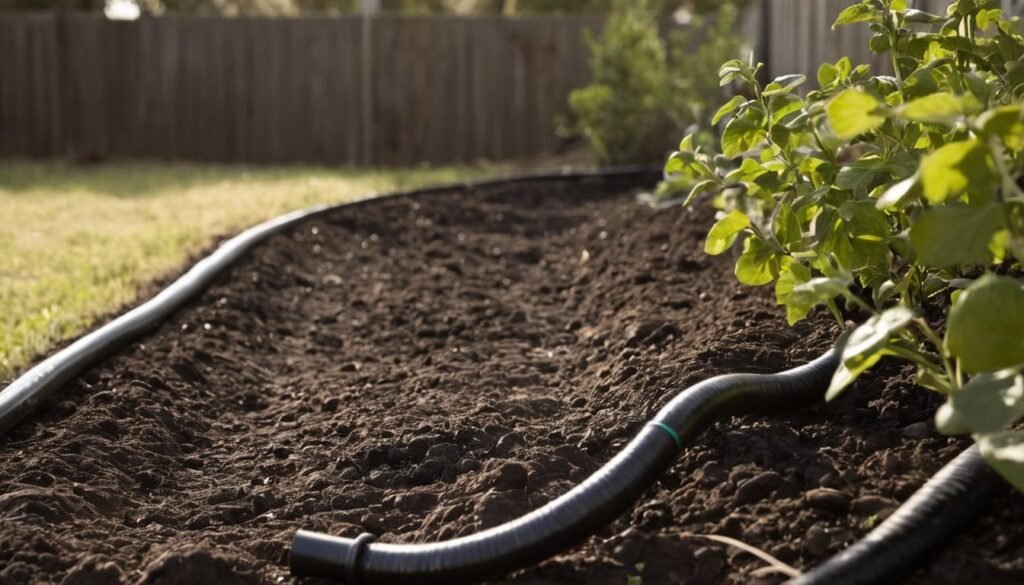
Drip lines or soaker hoses under mulch suit sand because they deliver water slowly where roots are.
Which plants suit sandy soil?
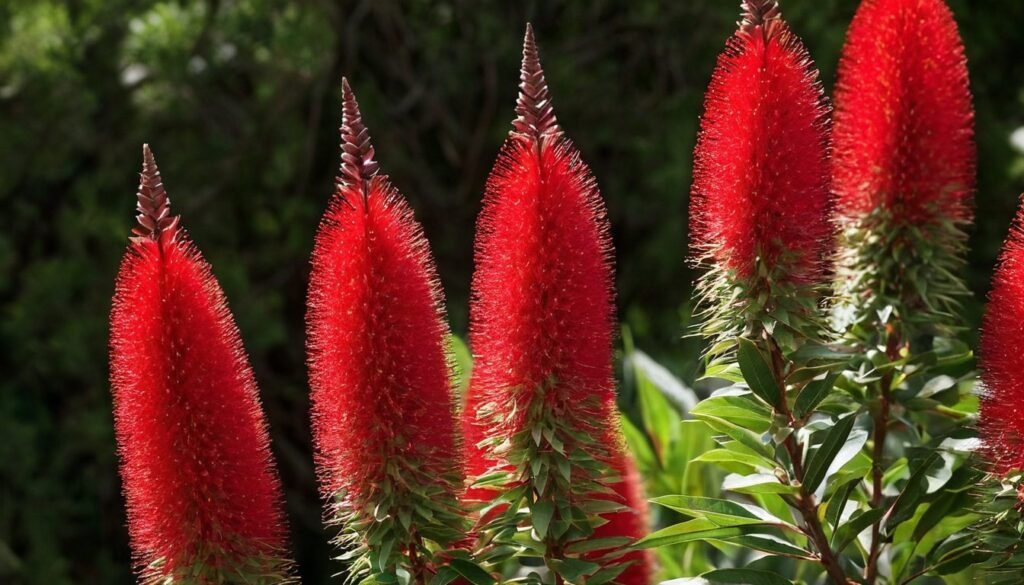
Choosing plants adapted to free-draining soil saves effort. Sydney Nature lists grevilleas, banksias, waratahs, hakeas and acacias among native species that grow well in sandy soils. The Water Corporation adds that local natives often suit sand but still benefit from soil improvement while they establish.
Many Australian natives dislike heavy phosphorus fertiliser, so use a slow-release product suited to natives, at label rates. Mediterranean herbs such as rosemary and lavender also tolerate free drainage. Thirsty vegetables and leafy crops can still succeed in sand, but need richer soil, mulch and more regular watering.
Match plants to your zone. Tropical and subtropical gardens can grow many sand-tolerant natives year-round, while cool-climate and highland gardens need frost-tolerant choices.
How long until sandy soil improves?
Be realistic. Some benefits are immediate: mulch reduces drying within days. Compost helps from the first season. But deeper change is slow. Soil CRC reports that productivity gains often lag behind measurable increases in soil organic carbon, and recommends long-term monitoring.
A sensible expectation for a home garden is a noticeable improvement in the first year and continued gains over several years, as long as you keep adding organic matter. Climate matters: warm, wet regions lose organic matter faster, so you must feed the soil more often.
Improving the soil before planting is easier than fixing it around established roots. The Water Corporation suggests late autumn for its climate. In other regions, aim for the cooler, milder seasons when plants are not under heat stress. For a subtropical garden that usually means autumn or early spring.
Common mistakes
- Adding only sand-like amendments such as coarse grit, which does nothing for water holding.
- Applying fertiliser heavily, then losing it to leaching.
- Mulching right up to stems, which invites rot.
- Skipping the water-repellence check.
- Adding large amounts of clay without mixing it in.
- Expecting results in one season.
Start with compost and mulch, check water entry, and adjust your watering. Then, if the bed still dries too fast, consider a modest clay addition. If water sits on the surface before soaking in, deal with that first.

 By anastasnowla@gmail.com

No comment yet, add your voice below!