
Bokashi is not composting in the usual sense. Food scraps are packed into a sealed bucket with an inoculated bran mix and fermented, much like pickling. The result is pre-compost that still has to be buried in soil or finished in a compost system.
It suits households with little garden space, and it accepts foods that most backyard bins and worm farms do not. It does need a place to put the end product.
How does a bokashi bucket work?
The bucket is airtight. Scraps are layered with the bran mix, which carries the microbes that drive fermentation. With little oxygen, the food pickles instead of rotting.
Council guidance describes the routine. Maroondah City Council advises adding scraps in bulk once or twice a week rather than continuously, so the lid is not constantly open. Squash each addition flat with a masher to push out air, and cover the surface of the scraps with the fermenting mix.
- Collect scraps in a small container and chop larger pieces.
- Tip them into the bucket, press them down firmly and cover with the bran mix.
- Close the lid tightly.
- Drain the liquid from the tap regularly.
- When the bucket is full, leave it sealed for about one to two weeks.
- Bury the contents or add them to a compost bin or worm farm.
What can go in a bokashi bucket?
The main appeal is the range of foods it accepts. Maroondah lists all household food waste, including meat, bones and dairy, plus paper towel and tissues. Waste Sorted WA lists fruit and vegetables, dairy, eggs, bread, prepared foods, meat and fish.
Keep out garden waste, large bones and large amounts of liquid. Washington State University Extension also says to avoid soups, sauces and free liquids. Rules vary between councils and between bucket makers, so check your own council’s guidance and the instructions for your bucket.
What do mould and smell tell you?
Appearance and smell are the main checks. The Washington State University guidance is the most detailed source I found.
| Sign | Healthy fermentation | Problem |
|---|---|---|
| Mould | White and fluffy; Maroondah calls a thick white layer the best sign it is ready | Green, black or blue mould |
| Smell | Sour, tangy, pickled or vinegar-like | Rotten or putrid |
| Likely causes of a problem | Air getting in, too little bran mix, too much moisture |
For a small problem, add more of the mix, press the contents down and check the seal. If coloured mould or a putrid smell dominates the bucket, extension guidance is to discard the batch and start again. Sources differ on how to dispose of a failed batch, so ask your local council what it accepts.
White mould is not a sign of spoilage here. It is easy to mistake it for a problem and throw out a good batch.
What happens to the liquid?
Fermentation produces liquid that collects at the base. Drain it regularly, because a full reservoir can cause odours. Maroondah says to dilute it before use, at 1 part liquid to 100 parts water. The Washington State guidance gives no ratio, which shows how little agreement there is.
Be cautious about claims that this liquid is a complete fertiliser. The evidence is thin. A 2014 Swedish university thesis tested household bokashi liquid on pak choi. It found the liquid generally low in nitrogen, relatively high in potassium and phosphorus, and widely variable in sodium and chloride depending on the food waste used. It is one small study, not a guarantee for your bucket.
Its content will depend on what you put in. Use it diluted, test it on a few plants first and treat it as a modest extra, not a replacement for compost or a balanced fertiliser. It can also be poured down a drain, as Monash City Council notes.
How do you finish the contents?
The pickled scraps are not ready to use as compost. Monash City Council says they must be buried, or added to a compost bin or worm farm, to break down fully.
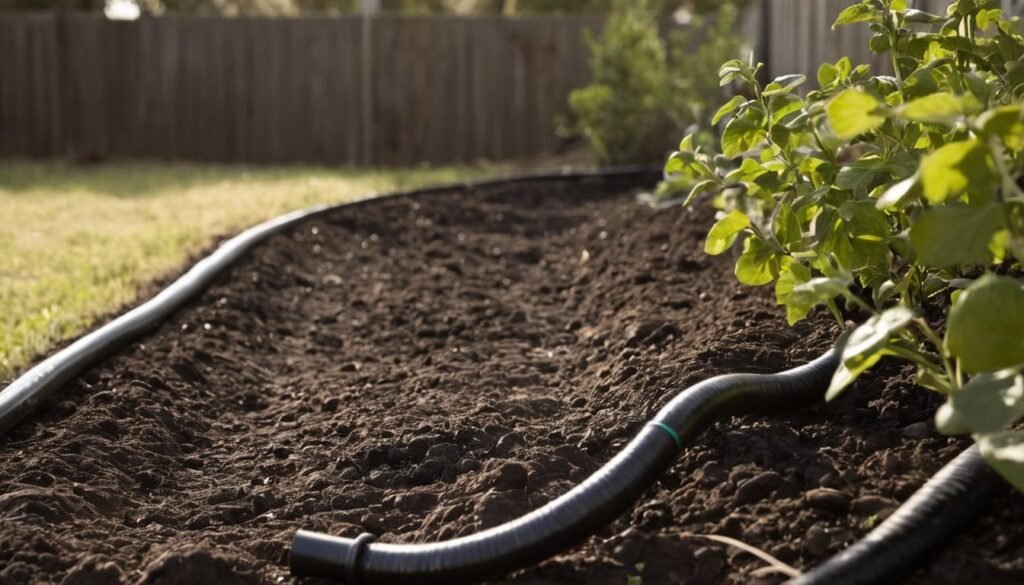
- Bury in a garden bed. Washington State University suggests a minimum of two weeks before planting over the spot, ideally three to four, longer in cool soil. In pots, allow four weeks or more. It also says not to leave the material on the surface or use it as mulch.
- Add to a compost bin. Maroondah says food waste breaks down faster this way than if it went in raw.
- Add to a worm farm. Monash lists this as an option for finishing.
In the subtropics, warm soil should break the material down faster, but this varies with moisture and soil type. In temperate and cool climates, plan for longer. Dig a hole away from root zones of existing plants, cover the scraps with soil and leave it. If you have no garden at all, the bucket may not suit you unless a neighbour, community garden or council service can take the material. For general soil guidance, see the soil, water and compost hub.
How does bokashi compare with worm farms and compost bins?
Waste Sorted WA compares the three methods directly.
| Compost bin | Worm farm | Bokashi | |
|---|---|---|---|
| Speed | Slowest; up to 12 months | Not stated | Fast pre-composting, then buried |
| Accepts | Fruit and veg, tea, coffee grounds, eggshells, paper, garden trimmings | Most fruit and veg scraps, tea, coffee, small amounts of bread | Food only, including meat, fish and dairy |
| Stays out | Meat, fish, bones, dairy | Dairy, meat, fish, oils, large amounts of citrus and onion | Garden waste |
| Small spaces | Needs space for a bin | Suits a balcony; small volumes | Best for apartments, but needs somewhere to bury the output |
| Upkeep | Least | Regular small feeds; care in hot summers | Needs a bran mix and regular upkeep |
None is simply better. If you also have lawn clippings and prunings, a bin handles them while bokashi handles the kitchen scraps a bin cannot. Spent espresso and filter residue goes in all three, and a separate guide to using used coffee waste on garden beds covers the details.
Is bokashi suitable for an apartment?
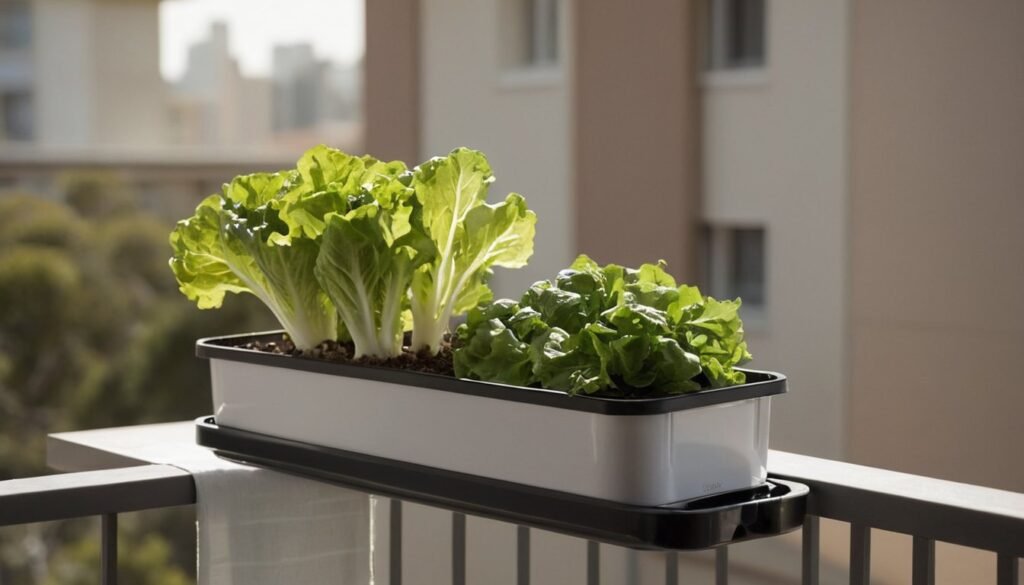
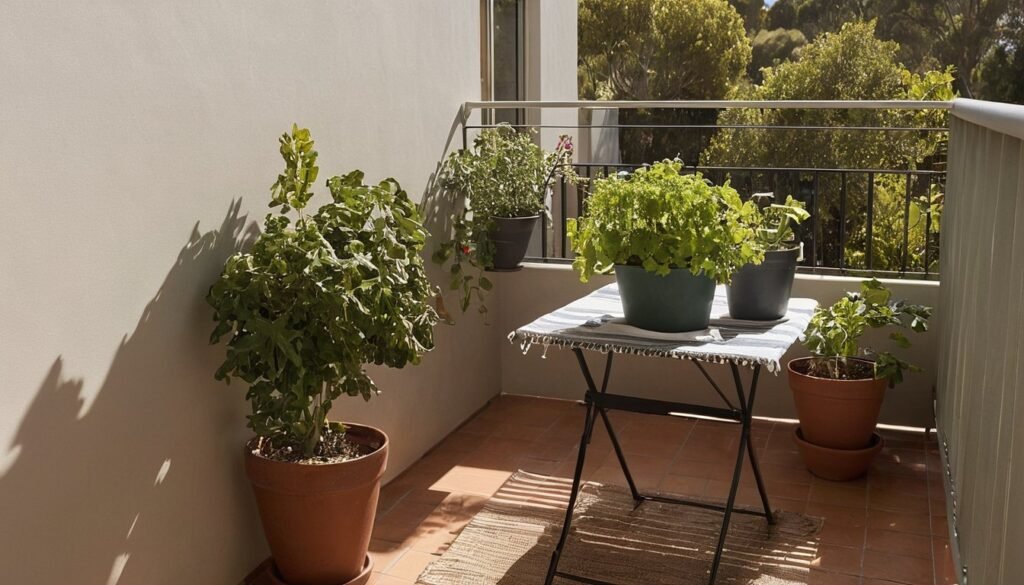
Often, yes, with one condition. The sealed bucket can sit under a sink or on a bench, and Maroondah says it suits apartments. Waste Sorted WA agrees that it is the best of the three for apartments, but notes it needs somewhere to bury the end product.
Before you buy, think about where the pickled scraps will go: a large pot of soil, a shared garden, a community garden or a council program. A guide to composting on a balcony or courtyard compares the options for a balcony or courtyard.
Common mistakes
- Leaving the lid off between additions, which lets in air.
- Skipping the squashing, or adding too little bran mix.
- Adding liquids or very wet food in large amounts.
- Forgetting to drain the liquid.
- Treating the fermented scraps as finished compost and spreading them on the surface.
- Using undiluted liquid on plants.
- Throwing out a bucket because of white mould.
What is established and what is uncertain?
Well supported by council and extension guidance: the sealed fermentation process, white mould as a good sign, coloured mould and putrid smell as failure signs, and the need to bury or compost the output.
Less certain: how much benefit the liquid gives plants, what dilution is best, and exact burial times, which depend on your soil, temperature and moisture.

 By anastasnowla@gmail.com

No comment yet, add your voice below!