
Native groundcovers beat lawn where grass struggles: dry shade, steep slopes and spots nobody walks across. They do not replace lawn where people play, because most are rated for light or no foot traffic. Pick the plant for your light first, then your climate.
Treat any groundcover as a garden bed with a path beside it, not as a carpet you can walk on.
When does groundcover beat lawn?
Lawn earns its place where there is sun and regular traffic. Groundcover wins in three situations.
- Shade. Turf thins under trees and beside fences. Several natives grow happily there.
- Slopes. Mowing a bank is awkward, and dense low plants hold the surface.
- Low-traffic strips. Side passages, the edge of a courtyard or the area under a clothesline need green, not a play surface.
If children or pets use the area daily, keep the lawn or add stepping stones through the planting.
How do the main native groundcovers compare?
The table uses the published sources listed below. Where a source did not state traffic tolerance, the table says so rather than guessing.
| Plant | Light | Foot traffic | Climate notes |
|---|---|---|---|
| Native violet (Viola hederacea) | Shade to part shade; moist soil | Low traffic only; not for heavy use | Widespread from Queensland coast to Tasmania; frost tolerant; dies back in hot, dry summers |
| Dichondra (Dichondra repens) | Light to heavy shade; poor in hot, full sun | Described as withstanding some traffic by one source; see note below | Not stated; moist, free-draining soil |
| Creeping boobialla (Myoporum parvifolium) | Full sun | Not stated; treat as non-traffic | Tolerates light frost, drought, coastal wind and salt |
| Prostrate grevilleas (dense forms) | Full sun | Not stated; treat as non-traffic | Varies by cultivar; check the plant label |
| Fairy fan-flower (Scaevola aemula, decumbent forms) | Full sun | Not stated; treat as non-traffic | Frost sensitive; coastal gardens; well-drained sandy soil |
| Cut-leaf daisy (Brachyscome multifida) | Sun to part shade | Light foot traffic | Drought tolerant once established |
| Purple coral pea (Hardenbergia violacea, as groundcover) | Not stated in the source | Not suited; it is a rambler | Very hardy; tolerates frost and drying out |
Sources: PlantingSeeds’ lawn alternatives guide, the Australian Plants Society NSW profile of native violet, the Australian National Botanic Gardens page on Scaevola aemula and the Australian Plants Society profile of Hardenbergia violacea.
On Dichondra, PlantingSeeds says it withstands some walking, but no other source checked for this guide rates its traffic tolerance. Plan on light use at most.
Which plant suits shade?
Shade is the hardest site. Gardening Australia notes that shade-loving natives grow more slowly than weeds, so plant them close together and expect to weed while they establish.
Native violet is the standard choice for moist shade, and Dichondra suits dry-ish shade with free-draining soil. The Australian Plants Society notes that most garden plants sold as Viola hederacea are actually Viola banksii, so ask the nursery which you are buying. Native violet can also creep into paving and beds, so edge it with a path or a hard border.
In hot, dry summers native violet may die back and recover after rain. In the tropics and arid zones, check with a local nursery or native plant society before relying on it.
Which plant suits sun and slopes?
Creeping boobialla and dense prostrate grevilleas are the strongest weed suppressors in full sun, according to Gardening Australia. Choose grevillea forms with many overlapping leaves, because open, trailing forms let weeds through.
Fairy fan-flower suits sunny, sandy, well-drained coastal sites, but it is frost sensitive. Hardenbergia can drape over a bank, but it is a climber by nature. It stays low only if nothing is nearby to climb, and it may need pruning after flowering.
For a taller low shrub beside a groundcover edge, see how to prune and shape coastal rosemary, a dependable native for the same sunny sites.
Does your climate change the choice?
Yes, and the sources only cover part of the picture. What is established is each plant’s frost and drought tolerance, as in the table. What is climate-dependent is how it behaves in your region.
- Subtropical and coastal temperate: most plants above suit these zones. Fan-flower and boobialla like the coast, and native violet likes shaded, moist corners.
- Cool climates, highlands and Tasmania: native violet and Hardenbergia are listed as frost tolerant. Fan-flower is frost sensitive, so avoid it where frosts are regular.
- Tropical and arid regions: the sources give little direct guidance. Ask a local nursery or native plant society which groundcovers cope with your wet season or dry spells.
Microclimate matters as much as zone. A sheltered, moist south-facing strip behaves very differently from a reflected-heat strip beside a driveway.
How do you establish a native groundcover bed?
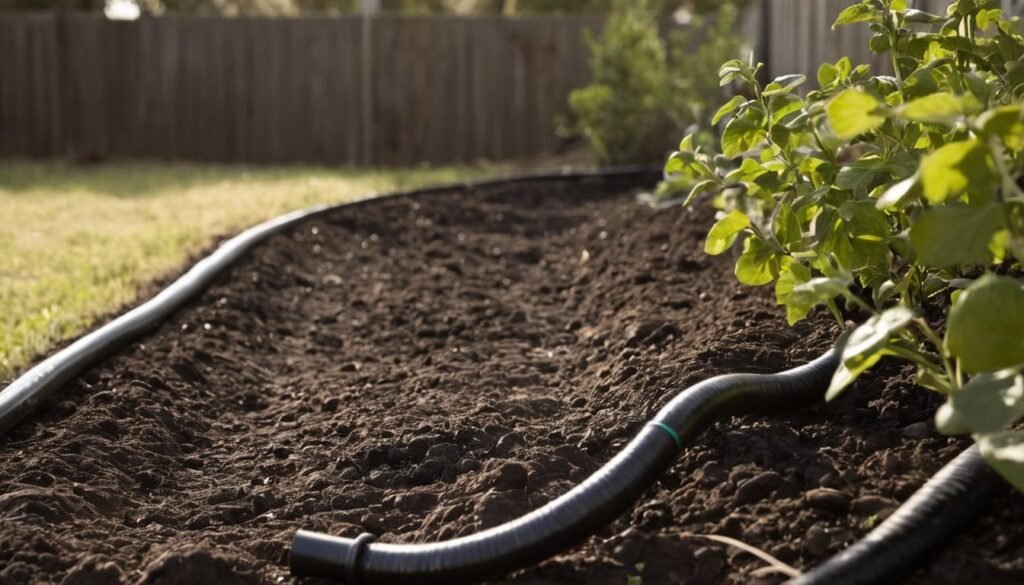
- Remove the lawn or weeds first. Hand-weed, then smother what remains. Gardening Australia suggests sheet mulching with cardboard topped with good-quality mulch if weeds are a constant problem.
- Prepare the soil to suit the plant. Sandy, free-draining soil suits fan-flower. Moist, organic-rich soil suits native violet.
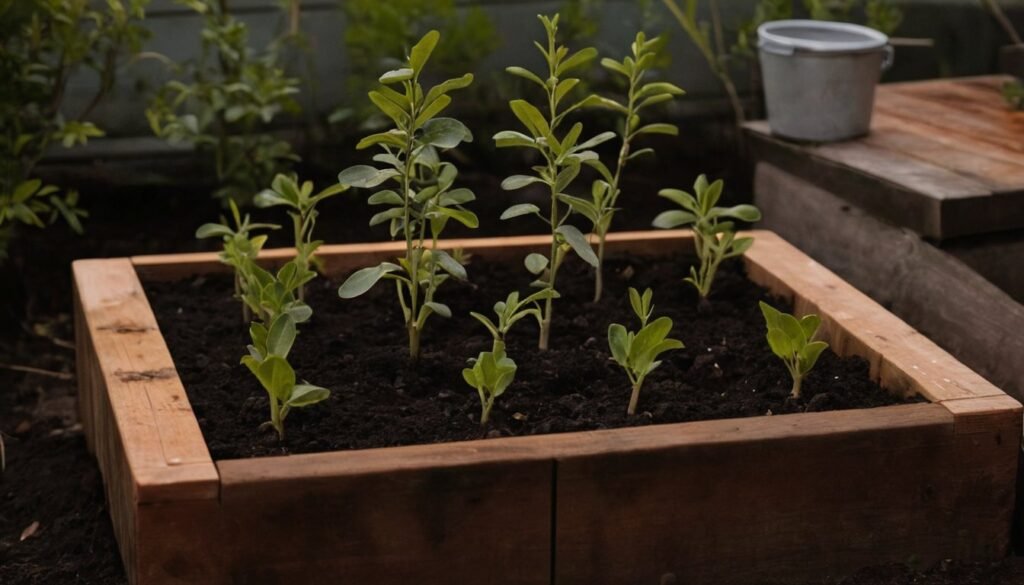
- Plant tubestock. PlantingSeeds recommends tubestock for ease and cost. Larger pots (140 mm) give faster results but need more careful placement.
- Space plants closely where weeds will compete, especially in shade.
- Water regularly through the first season, then taper as the roots settle. Needs vary with climate and soil.
- Use a native-suited fertiliser at label rates if the soil is poor.
How should you mulch to control weeds?
Mulch bare soil between the plants until they knit together. Gardening Australia recommends a coarse mulch layer of 2 to 6 centimetres, which limits weed germination and reduces moisture loss. Fine mulches can become a seedbed for weeds.
Woody mulches can draw down soil nitrogen. The same guide says a balanced organic fertiliser before mulching offsets this. For natives, use a fertiliser formulated for them, because some native plants are sensitive to certain nutrients.
Hand-pull weeds while the groundcover is small. Re-mulch any gaps you open up. Once the cover closes, weeds fall sharply, though shade plants take longer to reach that point.
What are the foot traffic limits?
Assume light, occasional foot traffic at most. Native violet is not suited to heavy use, and the sources do not rate boobialla, grevillea or fan-flower for walking. Cut-leaf daisy and (by one source) Dichondra are the only listed plants described as withstanding any foot traffic.
Where people will cross the area, set stepping stones or a path. Plants close to the stones will tolerate occasional brushing far better than being crossed repeatedly.
What mistakes should you avoid?
- Planting full-sun species in shade, or the reverse. Match light first.
- Leaving gaps unmulched. Open soil invites weeds while the plants fill in.
- Expecting a lawn feel. These are bed plants, not turf.
- Ignoring spread. Native violet and Hardenbergia can wander. Edge them.
- Buying by name alone. Ask the nursery for the exact plant and its mature spread, and check what suits your climate. The guide to choosing plants for an Australian garden covers how to read a plant label and match plants to conditions, and the list of low-maintenance native plants offers other options if a groundcover will not suit your site.

 By anastasnowla@gmail.com


No comment yet, add your voice below!