
Kale is a cool-season crop. Plant it in autumn and winter in the tropics and subtropics, and from autumn into early spring in cooler areas, and expect it to struggle once summer heat arrives. Raise seedlings in punnets, protect them with fine mesh against cabbage white caterpillars, and pick the outer leaves so the plant keeps producing.
The exact months depend on where you garden, so treat the windows below as a starting point and adjust to your own frost and heat patterns.
When should you plant kale in your climate zone?
Kale grows best in mild to cold weather. Oregon State University Extension calls it a cool-season crop, and Gardenate’s kale page gives a workable soil temperature range of roughly 8 to 30 degrees Celsius and describes it as very winter hardy. Use that as the logic, then match it to your zone.
| Zone | Practical planting window | What to watch |
|---|---|---|
| Tropical (Top End, far north Queensland) | Dry-season, cooler months only | Wet-season heat and humidity; expect a short crop |
| Subtropical (south-east Queensland, northern NSW coast) | Autumn to winter, raising seedlings from late summer or autumn | Spring warmth triggers flowering |
| Temperate (Sydney, Melbourne, Adelaide, Perth) | Autumn to early spring | Hot summers shorten the harvest |
| Cool, Tasmania and highlands | Late winter to autumn, avoiding hard frost on young seedlings | Mature plants cope with cold well |
| Arid and semi-arid | Cooler months, with shade and steady water | Hot dry wind and heat spikes |
These windows are editorial guidance based on the cool-season habit of the crop, not official month-by-month dates for every region. For warm areas, the month-by-month sowing guide for warm areas shows where kale fits among other crops. Local nurseries and your state agriculture department can give dates for your suburb.
Why does kale struggle in subtropical summers?
Heat and humidity work against it. Gardening Australia’s subtropical vegetable fact sheet describes winter as the best time for vegetable growing in the subtropics because conditions are cool and mostly dry, while summers are warm and humid.
Kale planted into that summer weather tends to grow slowly, look tired and attract more pests. Sowing in late summer for planting out in autumn is a better use of the season than planting into the heat.
If you want a leafy green that handles the warm months, the rosella guide for hot-season gardens covers a plant that welcomes the heat kale dislikes. For another leafy green to grow through the cooler months, see the silverbeet growing guide.
Which kale types are worth growing?
Pick by leaf shape and how you plan to use it. Names vary between suppliers, so check the packet.
- Cavolo nero, also called Lacinato: narrow, dark, crinkled leaves. Gardening Australia’s kale segment uses it as its example.
- Curly kale: frilled leaves, often the easiest to find as seedlings.
- Red or purple types: coloured stems and leaves; colour often deepens in cold weather.
- Dwarf types: compact plants suited to pots and small beds.
Kale is not the easiest brassica to start. Gardening Australia notes it establishes poorly when sown straight into the bed, so raise it in punnets.
How do you grow kale from seed to harvest?
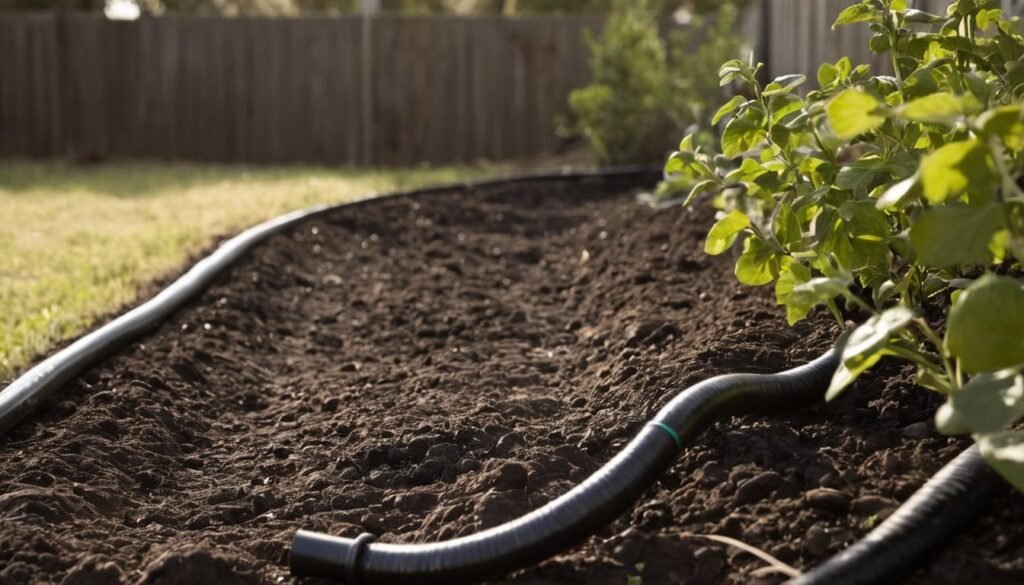
- Prepare the site. Choose a sunny spot with free-draining, rich soil. Mix in compost and use a slow-release fertiliser at label rates.
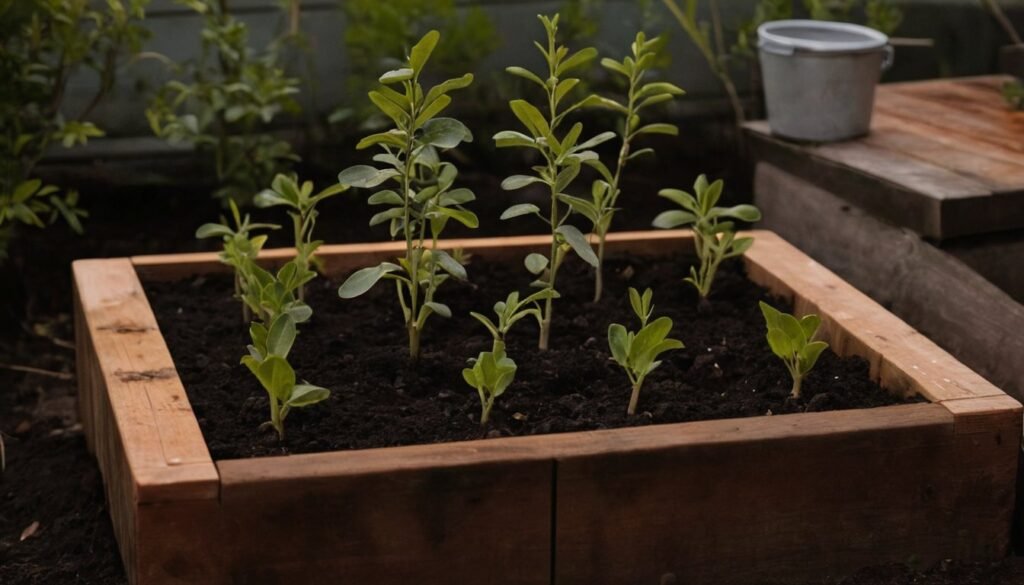
- Sow in punnets. Use a fine seed-raising mix, cover the seed lightly and keep it moist. Thin crowded seedlings.
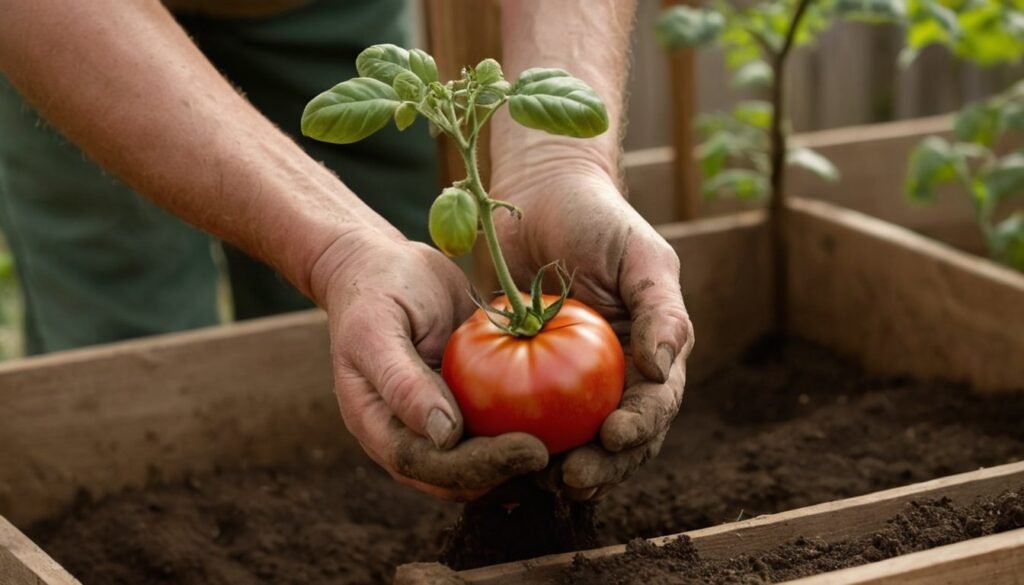
- Plant out. Move seedlings to the bed after about six to eight weeks, once they are sturdy, following the Gardening Australia method.
- Space generously. Gardenate suggests 50 to 100 centimetres between plants, with closer spacing for narrow types such as cavolo nero.
- Mulch and water. Mulch keeps the shallow roots cooler and reduces watering swings. Water steadily rather than letting the soil dry out and flood.
- Rotate. Avoid planting kale or other brassicas in the same spot year after year to reduce disease build-up. Oregon State suggests a gap of three to four years.
Allow roughly two to three months from planting out before the first real harvest.
How do you harvest kale so it keeps producing?
Pick the outer, lower leaves and leave the growing tip and young inner leaves alone. Oregon State Extension recommends this cut-and-come-again method, taking tender leaves rather than waiting for large tough ones.
Work upward from the base, a few leaves per plant at a time. Stripping the whole plant at once slows regrowth. Flavour is often better after cool weather, but that is a matter of taste rather than a requirement.
How do you manage cabbage white caterpillars and aphids without chemicals?
Cabbage white butterflies lay eggs on brassicas, and the caterpillars chew holes in the leaves. Barriers work better than chasing the problem later.
- Netting. Southern Cross University entomologist Nigel Andrew, writing in The Conversation, advises covering the crop with insect-proof mesh once leaves start developing, held up on hoops or stakes. Seal the edges so butterflies cannot slip underneath.
- Open the mesh carefully. When you lift it to water or weed, do it in the early morning or late afternoon when the adults are not flying.
- Hand removal. Check leaf undersides and the central ribs every few days. Rub off the small yellow eggs and pick off caterpillars; they are well camouflaged, so look for droppings and ragged holes.
- Aphids. Knock them off with a firm spray of plain water, as Oregon State recommends. Repeat every few days rather than once.
- Protect helpful insects. The same Conversation article warns against harming predators that eat aphids. Avoid spraying where you can.
If you decide a chemical product is necessary, check the product label and your state agriculture department first.
Why has my kale bolted, and can I save it?
Bolting means the plant sends up a flower stalk. For kale it is usually triggered by warming weather in spring, and the leaves often turn bitter afterwards. This is general gardener experience rather than something the sources above quantify.
Some things help but none guarantee success:
- Remove flower stalks promptly and keep harvesting leaves for a short extra period.
- Keep the soil evenly moist and mulched.
- Accept that kale is a biennial grown here as a cool-season annual, and pull it once the leaves turn unpleasant.
Rather than fight it, sow a new batch in late summer or autumn.
Can you grow kale in pots?
Yes, with a few conditions. Choose a dwarf type, or a baby-leaf kale mix as Oregon State suggests, and use a large pot with good drainage. A bigger pot holds moisture better than a small one, which matters in heat. Use quality potting mix, add mulch and move the pot to afternoon shade if hot weather arrives.
Cover pots with mesh just as you would a bed. Container plants dry out faster, so check moisture often.
Common mistakes
- Planting seedlings in summer heat and expecting a long harvest.
- Sowing directly into the bed rather than raising seedlings first.
- Skipping netting, then finding caterpillars after the damage is done.
- Picking the central growing point instead of the outer leaves.
- Overcrowding plants, which reduces airflow and hides pests.
What is established and what depends on your location?
Established: kale prefers cool weather, suffers in warm humid summers, benefits from raising seedlings first and from picking outer leaves, and is best protected by physical barriers and regular checks.
Climate-dependent: the exact planting months, how long the harvest lasts before bolting, and when butterflies are most active. Record your own sowing dates and results for next season.
Write down your own sowing dates and results, then adjust next season’s timing to match.

 By anastasnowla@gmail.com

No comment yet, add your voice below!