
Rosella (Hibiscus sabdariffa) is a frost-tender annual shrub that needs a long, warm season. Sow or plant out in spring, give it sun and room, and expect to wait about five to six months for the red calyces. It suits the tropics and subtropics best, and can work as a summer annual further south if the season is long enough.
This is the edible hibiscus, not the native Hibiscus heterophyllus or the parrot of the same name.
When should you sow rosella?
Sow in spring, once the soil has warmed. Growables, the Sub-Tropical Fruit Club of Queensland’s plant notes, says to sow in spring, and the ABC reports seedlings in subtropical nurseries from September. A community calendar lists a soil temperature of 20 to 35 degrees Celsius and a sowing depth of about three times the seed’s diameter (Gardenate).
Early planting matters. The plant needs about six months of warm weather, so a late start can leave little time before cold nights arrive.
| Climate | Practical approach | Confidence |
|---|---|---|
| Tropical | Longest sowing window, including the dry season; check local advice | Supplier guide says year-round; local timing varies |
| Subtropical | Sow or plant out from spring (September onward) | Reasonably consistent across sources |
| Temperate | Start under cover, plant out only after frost has passed | Depends on frost date and summer length |
| Cool highlands, Tasmania | Short season; likely marginal | Uncertain; test with one or two plants |
| Arid | Needs reliable water and frost-free months | Depends on irrigation and local heat |
The Seeds of Plenty guide counts roughly two sowing months in cool areas, four in temperate and seven in subtropical, but the exact months are not stated, so check them against your own last frost.
Why does rosella flower so late?
Rosella is a short-day plant. Growables states that it will not begin flowering until the days are shortening. In South East Queensland that puts flowering around January to February, with harvest running from March to May, according to the same source.
The practical lesson is that sowing earlier mostly grows a bigger plant rather than earlier flowers. Gardeners further from the tropics should still sow early enough that calyces can form before the first frost. How much a particular variety responds to day length is not covered by the sources I opened, so treat these months as a guide.
For a broader planting plan, see the month-by-month sowing guide for warm areas.
How much space and support does it need?
Plants reach about 1.5 m high and 1 m wide in the ABC’s account, and up to about 2 m in other sources. Give each plant room to branch.
One community calendar suggests 140 cm between plants (Gardenate). That is a single suggestion rather than an agency standard, and tighter spacing is common in home gardens. Whatever you choose, leave enough gap to reach every branch for picking.
Steps for a reliable start:
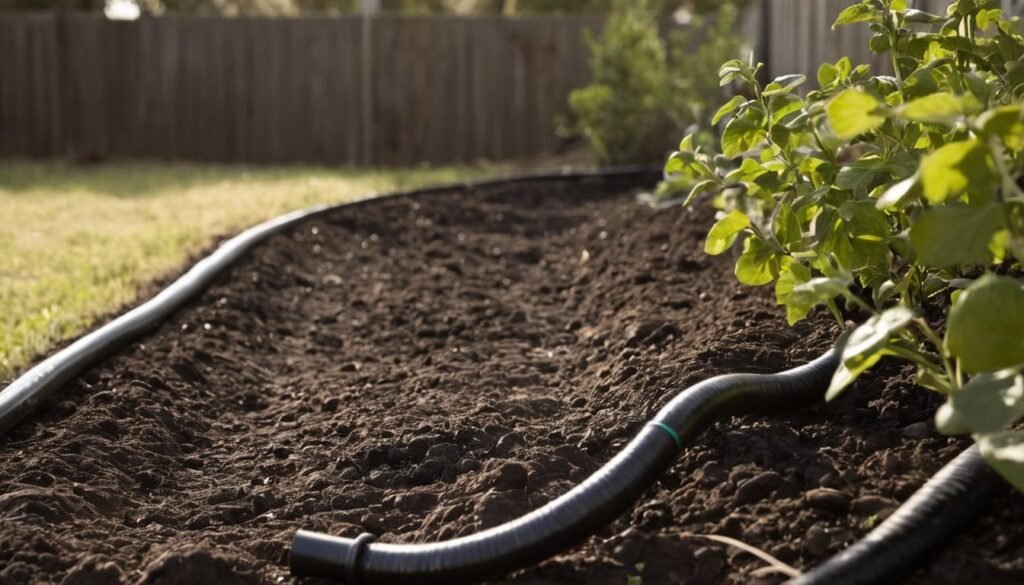
- Choose a spot with full sun and well-drained soil enriched with compost.
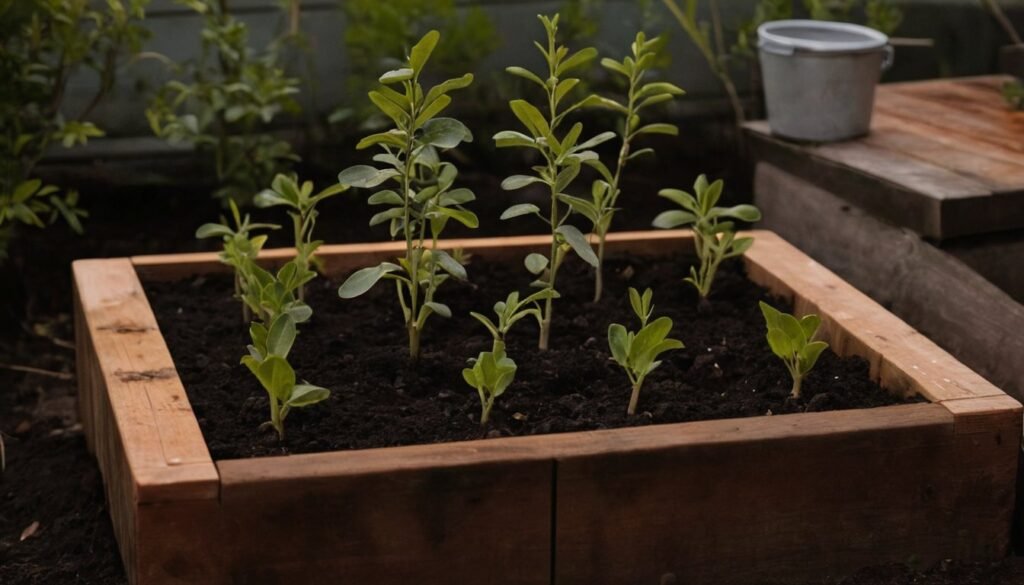
- Sow seed into the bed once soil is warm, or raise seedlings in pots and plant out.
- Mulch to hold moisture, keeping it off the stem.
- Water well in hot weather. A balanced feed when flowering starts is suggested by Gardenate, at label rates.
- Stake plants in windy sites. Seeds of Plenty notes staking is needed in windy areas.
Cuttings are possible but Gardening Australia warns yield can suffer, so seed is the better choice. It lists mealybug and aphids as the main pests. Start with hand removal, a firm water spray and encouraging predators such as lacewings.
If you like heat-loving crops, rosella shares its season with a spiky tropical fruit crop covered in this home-grown fruit guide and with the pods covered in this summer vegetable guide.
When and how do you harvest the calyces?
The calyx is the fleshy red cup around the seed pod. Gardening Australia gives about five to six months from sowing for a mature, plump calyx. Pick after the flower has dropped, while the calyx is firm and still snaps off by hand.
Harvest regularly. Growables notes that picking encourages further buds, and Seeds of Plenty warns that calyces turn fibrous if left. The ABC advises harvesting before the fruit becomes tough and the seed pod discolours.
Lower calyces may need secateurs. Young leaves are also edible, and Gardening Australia says foliage can be picked after about six weeks.
What do you do with the seed pods?
For cordial or syrup, the usual approach is to remove the green seed capsule from the base of each calyx. Growables describes washing the fruit and cutting around the tough base to take the capsule out. In its recipes, the capsule can be left in for jam and jelly because the cooked pulp is strained.
The ABC recipe takes a different route: it simmers whole washed fruit with a green apple and a little water, strains out the seeds and tough pieces, then cooks the pulp with an equal volume of sugar and lemon juice until it sets. Pectin is not needed according to Growables.
Either method works. Removing pods first gives a cleaner, quicker result if you are making cordial, and leaving them in suits jam. Keep jars clean and warm, and follow tested preserving instructions for storage times.
Calyces can also be steeped in hot water for a drink, stewed with sugar for a dessert filling, or cooked into relish or chutney, according to Growables. Sugar-heavy preserves keep best when made in sterilised jars, so check a tested preserving guide for timing.
Can you save rosella seed?
Yes, and it is the simplest way to keep a variety going. Because the sources I opened have no detailed seed-saving guidance, treat the following as general practice.
- Mark one or two healthy plants early and stop picking from them.
- Let several calyces mature and dry on the plant until the pods are brown and dry.
- Pick, split the pods and collect the small seeds.
- Dry the seed indoors for a few days, then store it cool, dry and labelled.
Gardenate readers report the seed is very small, and one commenter had success sowing seed from a fruit left to dry. That is anecdotal. Varieties listed by Gardening Australia include Archer, Victor and Rico, and seed from a variety may not come true if different types grow nearby, so do not rely on it.
Common mistakes
Most failed crops trace back to timing and site rather than pests.
- Sowing too late: the plant needs a long warm season and flowers only as days shorten.
- Planting in frost-prone sites: Growables states rosella is susceptible to frost damage.
- Overcrowding: a tight stand makes picking and airflow harder.
- Leaving calyces too long: they turn fibrous and tough.
- Assuming one timing suits all regions: local conditions change the window. Check your state or territory agriculture department for local sowing advice.
Before you sow, settle your planting window, then choose a sunny, protected spot.

 By anastasnowla@gmail.com


No comment yet, add your voice below!