
For most vegetable and flower beds, a drip line is the most efficient and controllable option, a soaker hose is the simplest low-cost step up from hand watering, and a sprinkler suits lawns and wide, low plantings better than beds. Whatever you choose, judge success by the moisture in the soil, not by the clock.
The method matters less than getting water to the root zone slowly, under mulch, and at a rate your soil can absorb.
How do the three methods compare?
The ratings below are general tendencies, not test results. Your soil, slope and water pressure change them.
| Factor | Soaker hose | Drip line or emitters | Sprinkler |
|---|---|---|---|
| Water efficiency | Good; slow seep, little evaporation | Best; water placed at the roots | Lowest; evaporation and drift on hot or windy days |
| Evenness | Fair; output often drops along the run | Good when pressure is regulated; adjustable by emitter | Often patchy; overlap over-waters, gaps under-water |
| Setup effort | Lowest; lay it down, connect, cap the end | Moderate; fittings, regulator, filter, capped ends | Low; move or set up a head |
| Suits which beds | Short, level runs; raised beds; closely planted rows | Rows, raised beds, containers, mixed beds, slopes | Lawns, broad ground covers, large open plantings |
| Soil fit | Clay and loam; sand needs short, repeated runs | Emitter spacing can be matched to sand or clay | Fine on most soils, but runs off compacted or crusted ground |
| Works under mulch | Yes | Yes | Mulch catches and wets, but the spray hits leaves too |
| Leaf wetness | Leaves stay mostly dry | Leaves stay dry | Leaves are wetted |
The Clemson extension watering factsheet describes soaker hoses as inexpensive and easy, drip as the best method for conserving water, and overhead sprinklers as convenient but not very efficient. These are US sources, but the principles of evaporation and root-zone delivery carry over to Australian gardens.
Why does leaf wetness matter?
Many fungal leaf problems need damp foliage to get started. The same Clemson factsheet notes that sprinkling foliage may increase disease problems and recommends early-morning watering so leaves dry quickly.
Soaker hoses and drip lines keep water off leaves and fruit. That is a real advantage for tomatoes, cucurbits, beans and roses in humid subtropical and tropical summers, when leaves can stay wet for long periods.
If you must use a sprinkler on a bed, water early so foliage dries through the morning. Avoid evening sprinkling in humid weather. Climate matters here: in dry inland or arid areas leaf wetness is a smaller concern, while in humid coastal Queensland and northern New South Wales it is a bigger one.
Which method suits which bed and soil?
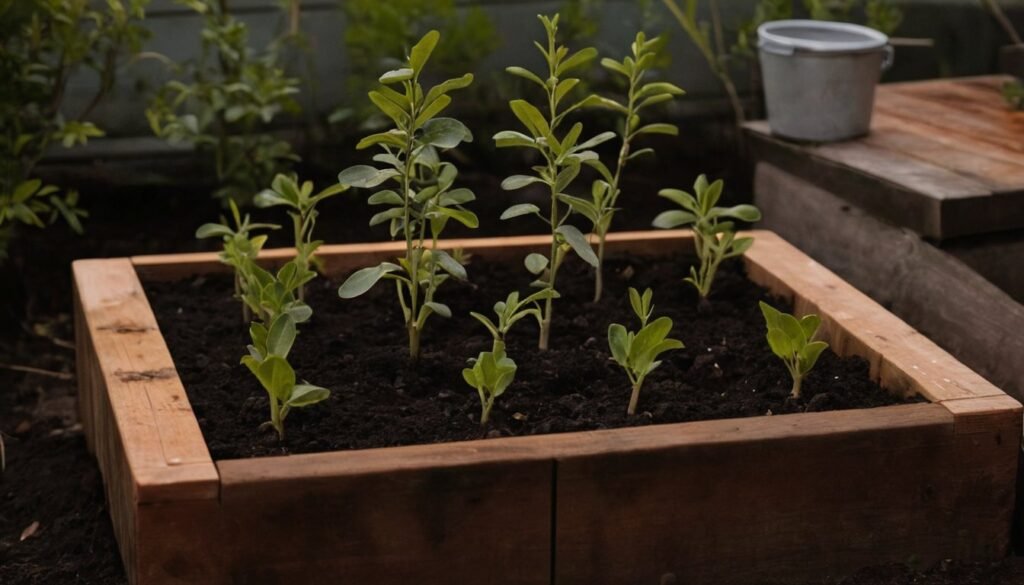
- Raised vegetable beds: drip line or soaker hose, laid in loops between plant rows.
- Long rows or mixed borders: drip line, because you can add or remove emitters where plants need them.
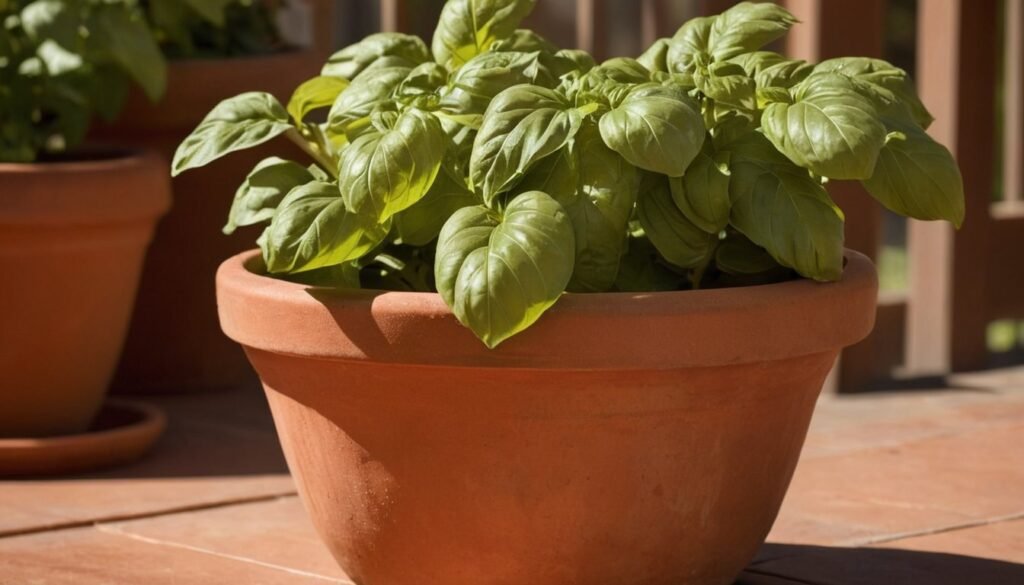
- Containers: drip emitters, not a soaker hose.
- Lawn and ground cover: sprinkler, checked against local watering rules.
- Sandy soil: water drains quickly and spreads sideways little, so lines need to sit closer to plants and run in shorter, more frequent bursts. The Clemson drip installation guide gives closer emitter spacing for sand than clay.
- Clay soil: water soaks in slowly and spreads sideways, so slower application and longer gaps between runs work better. Stop when puddles form.
- Slopes: drip line with regulated pressure copes better than a soaker hose, whose output is uneven uphill.
How do you set run times without fixed numbers?
Fixed minutes only work for the soil, pressure and weather where someone measured them. Use this routine instead:
- Run the system for a short test period, then push a finger or a trowel into the soil beside the plants.
- Check how deep the moisture has travelled and how far it has spread sideways from the hose or emitter. The University of Georgia soaker hose guide suggests checking partway through a run and adjusting time or frequency from what you find.
- Aim for moisture through the main root zone, which is deeper for established shrubs and tomatoes than for seedlings.
- Wait a day or two, dig again and see how dry the soil is. If the top layer is dry but the root zone is moist, extend the gap between runs rather than the run itself.
- Re-check when the season changes. Summer heat, wind and a rapidly growing crop use more water than cool weather.
Water shortage matters most in the first weeks after planting and when fruit are forming, according to Clemson. For new plants, see the guide to watering seedlings and transplants through establishment. For overall amounts, the main guide to how much water a garden needs covers the reasoning in more depth.
What goes wrong with pressure and blockages?
Most failures come from pressure and grit, not the hose or tubing itself.
- Too much pressure: can burst fittings or blast water out of the first emitters. Drip systems normally use a regulator to bring mains pressure down. Check your product’s pressure rating on the label.
- Too little pressure: on long or uphill soaker runs, the far end stays dry. Keep runs short and level, and run separate zones at different times rather than all together.
- Blocked emitters: grit, algae and mineral scale clog small outlets. A filter at the tap helps, and the Clemson guide says filters should be cleaned regularly. Tank or bore water usually needs more filtering than mains water.
- Uneven output: if some plants are wet and others dry, check for kinks, loose fittings, a missing end cap and blocked outlets before blaming the soil.
- Pests and sun damage: rodents or possums may chew tubing, and sun degrades some exposed lines over several seasons. Mulch over lines protects them.
Flush new lines before connecting emitters so construction debris does not end up in the outlets.
Should you add a timer?
A timer is optional, but it fixes the commonest cause of poor watering: forgetting. The Clemson guide notes timers help gardeners with limited time and describes fitting one at the tap, then the regulator and filter after it.
Use the timer to run early in the morning, not at a time that suits you. Set it from your moisture checks, then adjust it with the seasons. Add a rain delay or turn it off after heavy rain, because a timer does not know the soil is already wet. Your local water authority sets rules about when and how you can water, so check them before programming times.
How do mulch and compost fit in?
Mulch is the best partner for any of these methods. Lay the line on the soil, then cover it, as both Clemson and Georgia extension advise. This cuts evaporation, protects the line from sun and keeps the soil surface from crusting.
Keep mulch pulled back from stems. Check the soil under it, because a dry-looking surface can hide moist soil, and the reverse. Compost and well-rotted manure improve how soil holds water; see the guide to using manure in the garden for how to prepare beds first.
Common mistakes
- Running a sprinkler over beds in the evening in humid weather.
- Setting a fixed schedule and never checking the soil.
- Using one long soaker run across a slope.
- Skipping the filter, then blaming the emitters.
- Watering shallowly and often, which encourages roots near the surface.
- Forgetting to adjust the timer for season and rain.


 By anastasnowla@gmail.com
No comment yet, add your voice below!