
Basil thrives in warmth, so plant it once frost risk has passed and the soil has warmed. Then keep it bushy by pinching the tips and removing flower buds, water it deeply at the base, and give it a little afternoon shade in extreme heat.
Most failures come from planting too early, letting plants flower, or crowding them so leaves stay wet.
When should you plant basil in your climate zone?
Basil is frost tender, so the trigger is warmth, not a calendar date. Gardenate gives a soil temperature range of 18 to 35 degrees Celsius, and the ABC Organic Gardener advises planting only after all chance of cold snaps has passed.
| Zone | Practical approach |
|---|---|
| Tropical | Warm enough to start in trays or plant out through much of the year; Gardenate lists October as a start or transplant time. Perennial types can last for years where there is no frost. |
| Subtropical | Start in spring once nights are reliably mild and plant through summer. Check inland and elevated sites for late frost. |
| Temperate | October is a typical start in trays or for transplants, per Gardenate’s temperate page. Wait for the last local frost. |
| Cool and Tasmania | Start seed in trays indoors and move seedlings out only when frost has finished and the soil is warm. Pots that can come inside are a good fit. |
| Arid | Plant after frost, but expect to manage heat and wind with shade and regular water. |
Raise seed in trays and plant out after about four to six weeks. For a wider planting calendar across other crops, use the month-by-month sowing guide for warm areas. Local conditions vary, so treat these as starting points and watch your own nights.
Which type of basil should you grow?
The RHS lists sweet, Thai, lemon, lime, cinnamon and holy basil among the types available, differing in leaf shape, colour and flavour. Sweet basil suits most kitchens. Thai basil is a good choice for stir-fries and curries.
Gardenate notes that perennial basil varieties can survive for years in frost-free areas, getting larger each year. If you want a long-lived plant, ask the nursery which variety it is and check its label for hardiness. Do not assume a seedling sold as basil will overwinter.
Pots or garden beds?
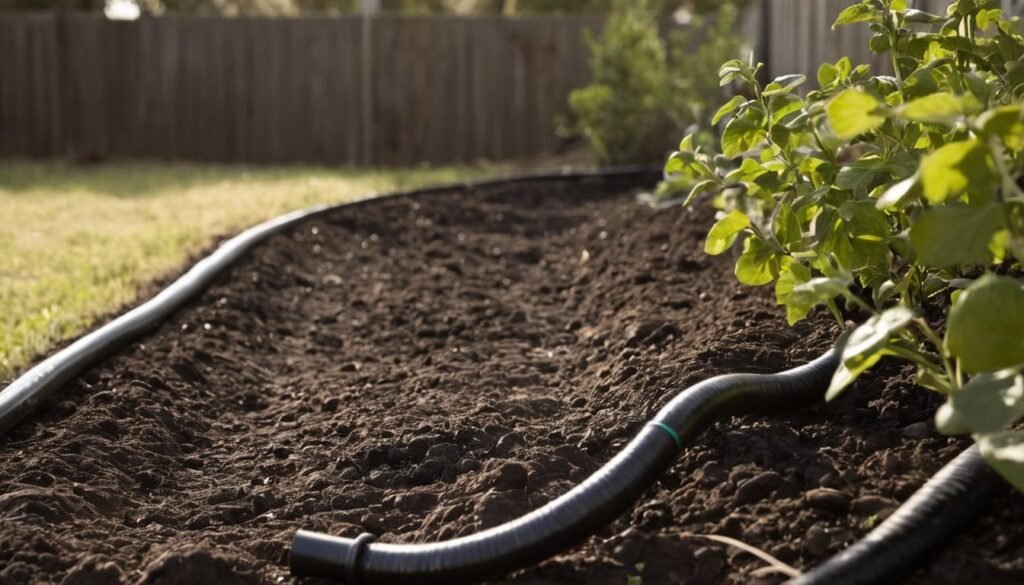
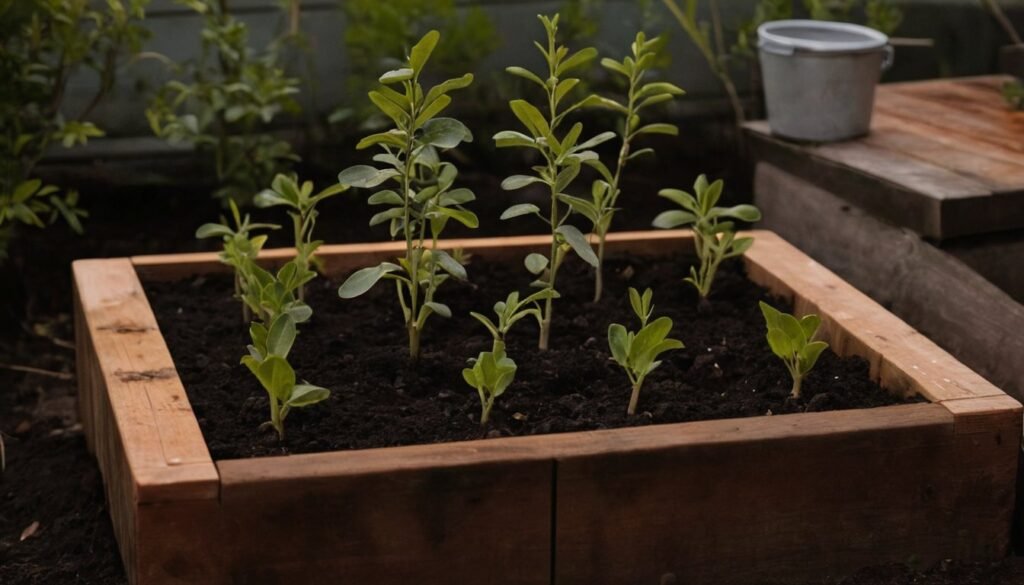
Both work. In a bed, work in compost, give full sun and space plants 20 to 25 centimetres apart. The RHS says containers drain freely, which basil needs, and suggests pots at least 20 centimetres wide and deep.
Pots dry out faster in heat and may need water daily in midsummer. They also let you move plants into shade on extreme days and indoors for winter in cool areas. Beds hold moisture better but need good drainage. A heavy, waterlogged bed is a poor home for basil.
How do you pinch and harvest basil?
Pinching is what turns a single stem into a bushy plant.
- When a seedling has several sets of leaves, pinch or cut the top just above a pair of leaves.
- Two new shoots form at that point. Pinch those again once they have a few leaves.
- Take leaves from the top and sides rather than stripping the lower stem.
- Cut just above a leaf junction, as the ABC Organic Gardener advises, and the plant regrows quickly.
Keep harvesting. Regular picking encourages new growth, while leaving stems to elongate invites flowering.
Why remove the flowers?
Gardenate advises picking off flowers to encourage more leaves and harvesting before the plant flowers. The RHS notes that removing flower stems as they appear keeps leaf quality at its best for longer, and that dry conditions can trigger early flowering.
Pinch off flower buds as soon as you see them. Leaving one plant to flower is reasonable if you want pollinators to visit or plan to collect seed (see below).
How much water and shade does basil need in a heatwave?
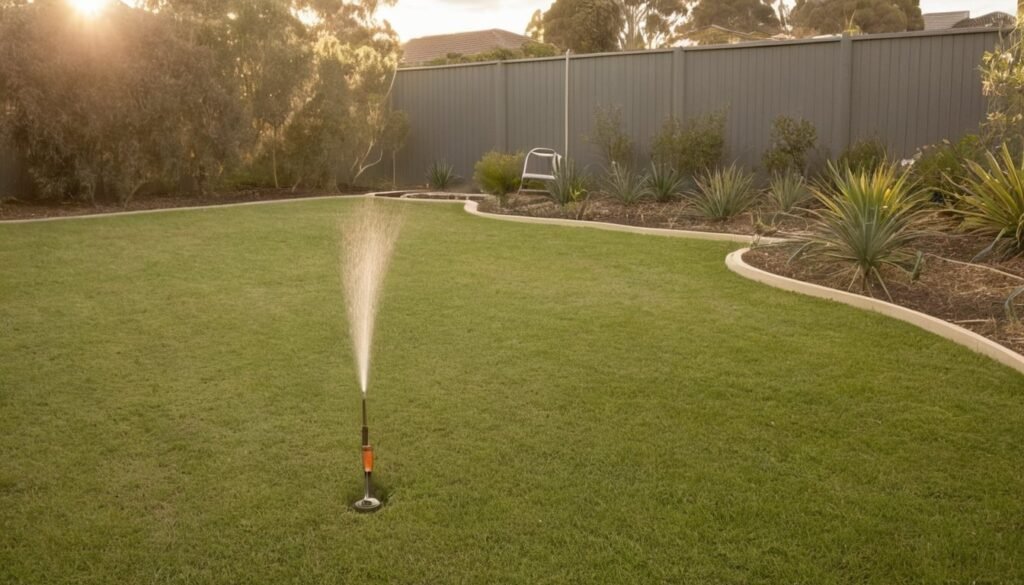
Water at the base in the morning, and avoid soaking the leaves. The RHS recommends morning watering and keeping roots from sitting wet overnight. In hot weather, the ABC Organic Gardener suggests watering as often as every other day. Pots may need more. Check the soil with a finger rather than following a fixed schedule.
Mulch beds to slow evaporation, keeping it clear of the stems.
Afternoon shade helps during extreme heat. Shade cloth, a nearby taller plant or a spot that gets afternoon shade can stop leaves scorching. Morning sun is still valuable. This is an editorial tip rather than a measured threshold, so adjust to what your plants show you: limp, crisped or bleached leaves mean more shade or water.
What does downy mildew look like, and how do you reduce it?
Downy mildew is the main disease to know. University of Florida IFAS describes yellowing between the leaf veins on the upper surface, which can look like a nutrient shortage, often with grey fuzzy growth on the underside of the leaf. It is favoured by high humidity and long periods of leaf wetness.
If you see yellow, vein-bounded patches, turn the leaf over and look underneath. Confirmation can need a closer look, so ask a local nursery or your state agriculture department if you are unsure.
What helps, without any sprays:
- Space plants so air moves between them and leaves dry quickly.
- Water at the base, not overhead, and in the morning.
- Avoid dense plantings in humid, still corners.
- Remove and bin affected plants promptly rather than composting them.
- Start from clean seed, since the disease is believed to be seed-transmitted, and look for resistant varieties.
If a chemical step is ever considered, check the product label and your state agriculture department. Prevention through airflow is the safer first line.
Can you save basil seed?
Yes. Let a healthy plant flower and wait until the flower spikes brown and dry. Standard seed-saving practice is to collect seed on a dry day, drying it in a warm, dry place until the seeds come free, and storing it in labelled paper envelopes in a cool, dry place.
Basil cross-pollinates easily, so if you grow two varieties, let only one flower and set seed. Seed from a plant with downy mildew is a poor choice, given the seed-transmission concern above. Seed from a hybrid may not match its parent.
What is established and what depends on your site?
Basil’s frost tenderness, its need for warmth and the value of pinching and picking before flowering are consistent across the sources above. Exact planting months, how much afternoon shade helps, and how often to water depend on your local climate, your soil and whether the plant is in a pot. Treat the timing here as a guide and let your own conditions decide.
Common mistakes
- Planting out before frost has passed or while nights are still cold.
- Letting plants flower early, which slows new leaf production.
- Watering leaves in the evening in humid weather.
- Crowding pots so no air moves.
- Stripping a plant to bare stems instead of cutting above leaf pairs.
Basil makes a good companion for other warm-season crops in the same bed, and cooler-season greens, such as those in our kale growing guide, can take over the space as summer ends. For the wider picture of coping with heat, see our advice on keeping other herbs going in hot weather.

 By anastasnowla@gmail.com

No comment yet, add your voice below!