
Parsley is easy to keep going but slow to start. Expect seed to take roughly three to five weeks to appear, keep the seedbed evenly moist, and harvest the outer stems so the centre keeps producing. Sow in cool, mild weather and give it light shade where summers are hot.
Most disappointment comes from giving up on the seed too early, letting the soil dry out, or leaving a second-year plant to run to flower. All three are avoidable.
Curly or flat-leaf: which should you grow?
Both are grown the same way. The differences are practical.
| Feature | Curly | Flat-leaf (Italian) |
|---|---|---|
| Typical use | Garnish and salads, where a crisp leaf suits | Cooking, where the leaf is easy to chop |
| Wet weather | No specific advice found | Gardening Australia notes flat-leaf types do better through the wet |
| Self-seeding | Much less | Readily |
| After a long harvest | Cut back and it re-sprouts from the root | Often left to set seed, then replaced |
In humid coastal areas, flat-leaf is the safer first choice. If you want a tidy pot on a balcony, curly is easy to keep compact. Growing one of each is a fair way to find out which suits your site.
Why is parsley so slow to germinate?
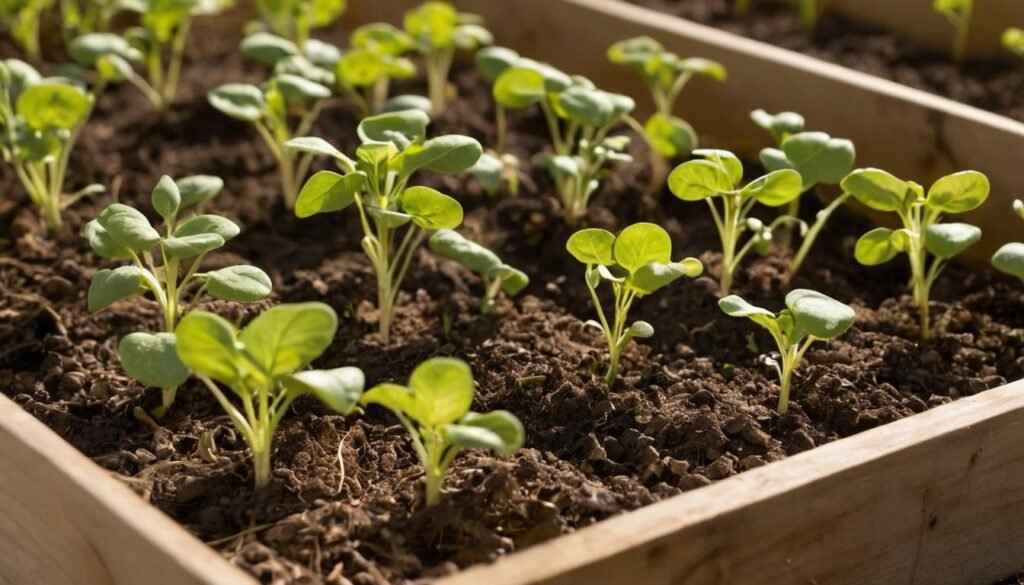
Germination is slow and uneven. Gardenate gives about three to five weeks for seedlings to appear. Cold soil tends to slow it further.
Two methods can help:
- Soak the seed in warm water before sowing. Gardening Australia’s plant guide suggests this to promote germination.
- Sow thickly in a pot under a thin layer of seed-raising mix, then pour freshly boiled water over the seed. This is the Gardening Australia method, which reports germination in probably under three weeks. Thin the crowded seedlings afterwards.
Whichever method you use, mark the spot and keep the surface damp. A seedbed that dries out during the wait is a common reason seed seems to fail. Results vary with soil temperature, so treat the timeframes as a guide, not a promise.
When should you sow parsley in each climate zone?
Timing depends on frost and summer heat rather than a fixed date. The firm guidance from Gardening Australia is to sow in spring once frost risk has passed, or in autumn in frost-free areas. The zone notes below build on that and are general; local conditions shift them.
- Tropical: Favour the cooler, drier months. Wet-season heat and humidity are harder on it, and flat-leaf copes better.
- Subtropical (south-east Queensland, northern NSW): Autumn to early spring suits most gardens. Provide afternoon shade as temperatures climb. The seasonal sowing guide for the warm east coast helps place parsley among your other crops.
- Temperate: Spring and early autumn are the main windows. Avoid sowing into cold soil.
- Cool, Tasmania and highlands: Wait until spring once frost risk has passed, because seedlings are tender.
- Arid: Autumn and early spring are the likeliest windows. Plan for shade and consistent watering.
Parsley prefers cool, moist soil in a lightly shaded spot. Under-watering leaves the foliage stringy and bitter. A mulch layer helps hold moisture, and a pot should be large enough not to dry out in a day.
How do you harvest parsley so it keeps growing?
Cut whole outer stems close to the base, taking the oldest first. The centre keeps producing new growth. Avoid shearing the top off the whole clump, which removes the growing point and slows regrowth.
Space plants 20 to 30 cm apart so air moves through them. Gardening Australia says parsley can be picked at any time, though flavour changes once it flowers. A few healthy plants are plenty for most households.
Water after a heavy harvest, and use a general slow-release fertiliser at label rates if growth looks pale.
What happens in the second year?
Parsley is a biennial. In its second season it sends up a tall flowering stem and the useful leaf declines. Gardenate describes the stem reaching about a metre. Gardening Australia’s plant guide says plants last about two years before needing replacement.
Plan for it rather than fight it:
- Sow a fresh batch every few months so a young plant is always coming on.
- For curly parsley, Gardening Australia says cutting it back lets it re-sprout from the root and give soft leaf for months.
- Flat-leaf is often allowed to flower and drop seed. Check your council’s weed list before letting any herb self-seed freely.
- The flowers attract beneficial insects, which is a small bonus if you have room.
If you are planning the rest of the herb and vegetable patch, the guide to planting and lifting garlic bulbs covers a cool-season crop that shares parsley’s autumn working window. In summer, a trellis of heat-loving climbing beans can cast light afternoon shade, provided the parsley stays within easy reach of water.
What about caterpillars on parsley?
Chewing insects are the pest Gardening Australia lists for parsley. Swallowtail-type caterpillars can strip a plant quickly. The University of Florida entomology service notes that hand picking is the usual home-garden response. Its species is North American, so use it for the method only.
Non-chemical options:
- Check under leaves and along stems each week, particularly in warm weather.
- Pick caterpillars off by hand and move them to a spare plant, such as a few extra parsley seedlings kept in a separate pot.
- Cover small plantings with fine insect mesh before pests arrive.
- Let some plants flower so beneficial insects stay nearby.
If you think a problem needs a chemical step, check the product label and your state agriculture department first.
Does parsley suit pots as well as garden beds?
Yes, and a pot often makes the long wait easier because you can move it. In a subtropical or tropical summer, shift the pot into morning sun and afternoon shade. In cooler regions, keep it where it gets the most winter light.
Use a quality potting mix and a container with drainage holes. Keep the mix evenly moist, never waterlogged. Parsley has a long taproot, so a deeper pot suits it better than a wide, shallow bowl.
If a plant looks tired, three things are worth checking before you replace it:
- Soil moisture: Push a finger in to knuckle depth. Dry mix points to under-watering, which Gardening Australia links to stringy, bitter foliage.
- Light and heat: Scorched or limp leaves in hot weather usually mean too much direct afternoon sun.
- Age: A plant sending up a tall central stem is flowering, not failing. Start new seed and retire the old plant when the leaf quality drops.
Keeping two or three plants at different ages is the simplest way to avoid gaps in supply.
Common mistakes
- Sowing into cold or hot, dry soil and expecting quick results.
- Letting the seedbed dry out during the long wait.
- Cutting all the tops off rather than outer stems.
- Keeping a plant in its second year past flowering.
- Planting in full afternoon sun through a subtropical summer.
What is established here is the slow seed, the shade and moisture preference, and the two-year life. Exact sowing months for your suburb are climate-dependent, so adjust them against your own frost and heat patterns.

 By anastasnowla@gmail.com

No comment yet, add your voice below!