
If plants droop in the hottest part of the day and look normal again by the next morning, it is usually a temporary heat response, not a sign they need more water. If they are still limp the next morning, or keep wilting while the soil is wet, something else is going on.
The next-morning look is the key test. Pair it with a soil check before you reach for the hose.
Is it heat stress or is the plant thirsty?
NC State Extension describes heat wilting as temporary: plants droop around the middle of the day, the soil is still moist, and they recover by evening or the following morning. Drought wilting persists overnight, and leaves may feel dry, curled or brittle, with lower leaves yellowing.
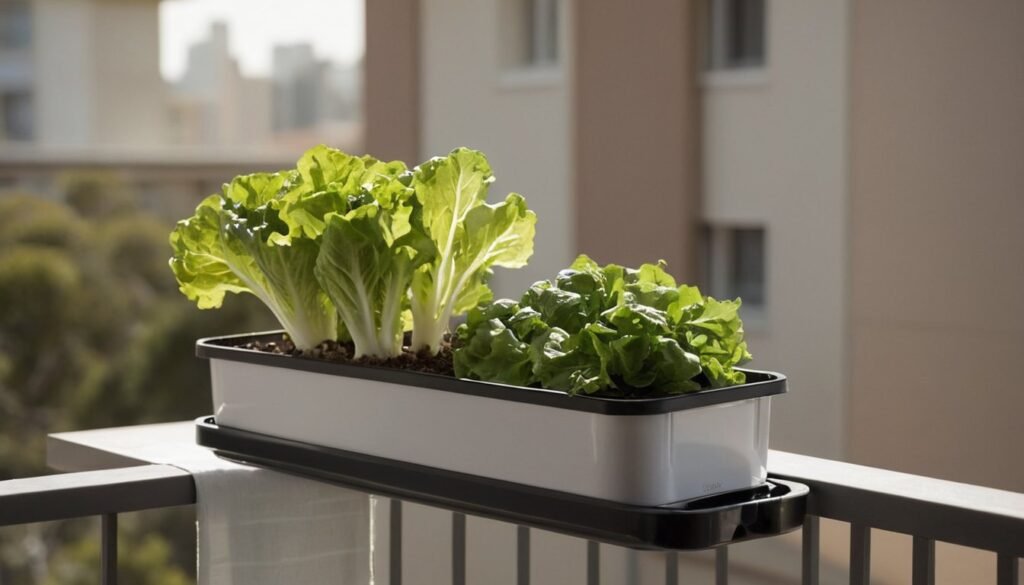
Drooping reduces exposed leaf area when water is leaving faster than roots can supply it. It is a coping response, and soft-leaved plants such as lettuce, cucumber and zucchini do it readily in an Australian summer.
How do you check the soil properly?
- Look at the plant at first light, before the sun hits it. Note whether it has fully recovered.
- Push a finger into the soil to about the second knuckle, away from the stem. Damp soil points to heat wilt. Dry soil at that depth points to thirst.
- In pots, lift the pot. A very light pot is dry, and a heavy one is holding water. Check drainage holes are not blocked.
- Check again in the afternoon, since the surface can look dry while the root zone is still moist.
The surface is a poor guide. Gardening Australia points out that wilting does not always mean thirst and that plants can wilt when soil is saturated, so check before watering.
What else makes plants wilt?
Wilting always means water is being lost faster than it arrives, but the cause differs. Singapore’s National Parks Board notes that extra water helps a heat-stressed plant yet can kill one with root rot.
- Waterlogged or rotting roots. Roots without oxygen cannot take up water. Soil is wet, wilting persists, lower leaves often yellow. Dig gently: healthy roots are firm and pale, rotted roots are brown, soft and may smell sour.
- Root damage or crowding. Transplant shock, roots cut by digging, or coiled roots in a pot can leave a plant unable to drink even from moist soil.
- Stem borers and grubs. A single branch or shoot that wilts while the rest is fine, sometimes with sawdust-like frass or a small hole, suggests tunnelling. Cut out and bin the affected stem. For chewing damage on foliage rather than wilting, see our guide to leaf damage from hungry grubs.
- Wilt diseases. Soil-borne fungi can attack roots or block water movement. Business Queensland’s page on sudden wilt of capsicum and melons describes plants wilting in the warmer part of the day, with roots often badly rotted by the time symptoms appear. It links the problem to Pythium and Fusarium, hot soil and poorly drained or compacted ground. The page is aimed at commercial growers, but the drainage lessons apply at home.
Diagnostic table
| What you see | Soil | Next morning | Likely cause | First step |
|---|---|---|---|---|
| Droops midday to afternoon | Damp at knuckle depth | Fully recovered | Heat stress | Mulch, shade, no extra water needed |
| Droops, leaves dry or crisp | Dry at depth | Still limp | Water deficit | Deep watering, then mulch |
| Droops constantly, lower leaves yellow | Wet or soggy | Still limp | Waterlogging or root rot | Stop watering, improve drainage, check roots |
| One branch or shoot wilts | Normal | Branch stays limp | Borer or local stem damage | Inspect stem, prune out damage |
| Whole plant declines, roots brown | Often wet and heavy | Not recovering | Soil-borne wilt disease | Remove plant, rotate crops, improve soil |
| Newly planted seedling wilts | Any | Slow recovery | Transplant shock | Shade, steady moisture |
Several causes can overlap, and a table is a starting point rather than a verdict.
What should you do about afternoon heat wilt?
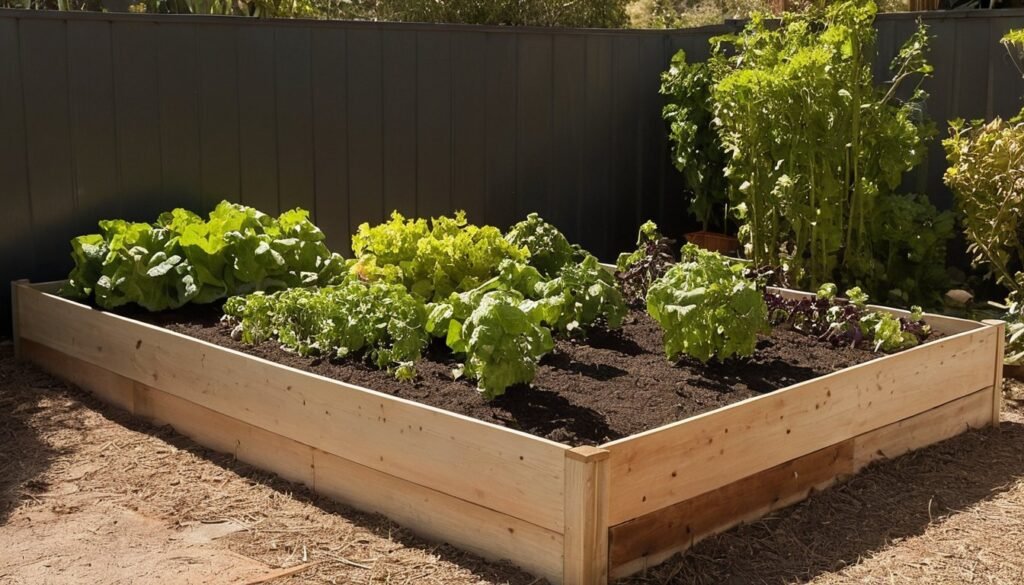
- Mulch. A layer over the soil holds moisture and buffers soil temperature, as NC State advises. Keep it clear of stems so it does not hold damp against them. Use softer organic mulch such as pea or lucerne straw on vegetable beds.
- Shade. Shade cloth or a temporary screen over the west side cuts the harshest afternoon sun. Potted plants can be moved.
- Water timing. Water in the morning when soil is cool, as Gardening Australia recommends. Less evaporates, and leaves dry before night.
- Water deeply, not often. Slow, deep watering encourages deeper roots, while light daily sprinkles keep them near the surface.
- Avoid feeding in extreme heat. Fertiliser can add to stress.
For prolonged hot spells, see our plan for getting plants through extreme heat.
What about pots and containers?
Pots heat up faster and dry out faster than garden beds, so they are where afternoon wilt turns into real thirst most often. A dark pot in western sun can warm the root zone well beyond air temperature. Move it to morning sun and afternoon shade, group pots together so they shade each other, and check the weight of the pot rather than the surface.
Pots also fail the other way. A saucer left full, a blocked drainage hole or soil that has shrunk away from the pot edge can all stop water reaching roots evenly. If water runs straight out of the base without wetting the mix, soak the pot from below until it is heavy again. If the plant has filled the pot with coiled roots, the Singapore guidance suggests bottom-watering to revive it, then repotting into a larger container.
Is it safe to wait it out?
Usually, for established plants with moist soil and full overnight recovery. The pattern worth watching is change: a plant that used to recover and no longer does has moved from heat response to a problem. Newly planted seedlings, lettuce and other soft-leaved crops deserve closer attention because they have little reserve. Keep a simple note of when wilting starts and whether the plant is upright at dawn. That record helps far more than guessing from a single limp afternoon.
Common mistakes
- Watering at midday because leaves look limp, without checking the soil.
- Watering again every afternoon, which can drown roots in heavy soil or pots.
- Judging by the surface rather than the root zone.
- Piling mulch against stems.
- Pulling out a plant that would have recovered overnight.
- Assuming every wilt is drought when only one stem is affected.
When should you worry?
Act if a plant is still wilted the next morning after the soil has been checked, if wilting continues in wet soil, if one section dies back, or if the plant declines week after week. Timing varies by climate: in tropical and subtropical areas afternoon wilt is common through the wet-season heat, in temperate zones it clusters in January to February heatwaves, and in arid areas it is the norm for tender plants. Your local soil type and exposure matter more than any calendar.
If you cannot find a cause, check the roots, review drainage, and consult our wider overview of common garden troubles in Australia to narrow it down. For any treatment product, check the label and your state agriculture department.

 By anastasnowla@gmail.com


No comment yet, add your voice below!