
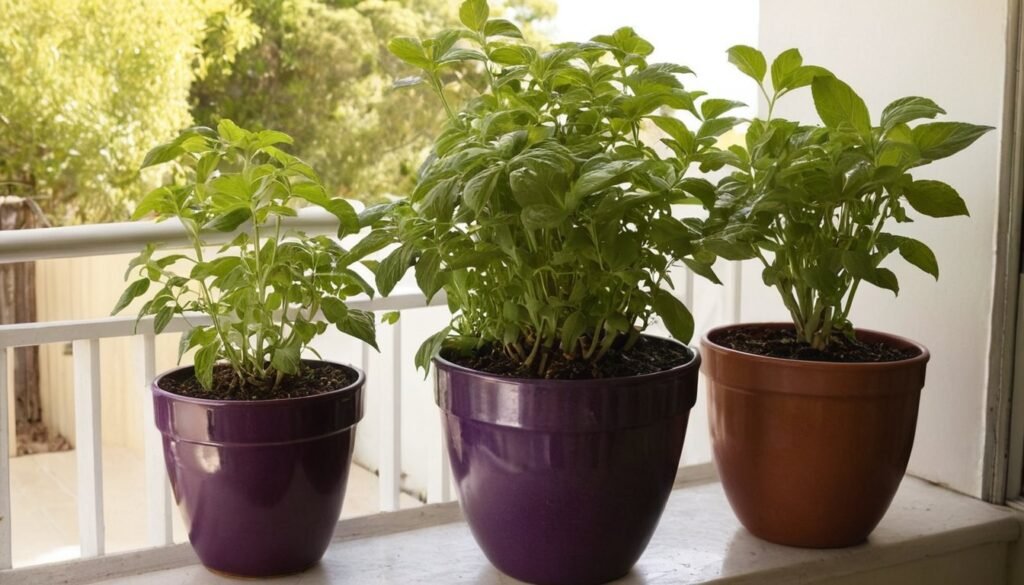
Syngonium (arrowhead plant) does best in bright, indirect light, with the potting mix kept lightly moist but never soggy. Pink and variegated types need a little more light than plain green ones, and all of them burn in hard direct sun. Pinch or prune it regularly and it stays bushy; leave it and it turns into a climbing vine.
Most problems come from watering too often in low light, or from leaving a plant to sprawl until it looks leggy.
Why do my syngonium leaves change shape?
Young plants carry simple, arrowhead-shaped leaves. As the plant ages and starts to climb, the leaves become three-lobed and eventually split into several narrow segments. NC State Extension describes this sequence and notes that the fully divided adult leaf forms only once the plant is climbing.
That means the change is normal, not a disease. It also explains a common frustration: the compact arrowhead look you bought is the juvenile stage, and it does not last forever if the stems are allowed to run upward.
Two ways to handle it:
- Keep it juvenile and bushy. Prune stems as they start to stretch (more on that below).
- Let it climb. Give it a moss pole or totem, and expect larger, more lobed leaves over time. The same NC State page says stems produce aerial roots, which help them cling.
How fast this happens indoors depends on light, support and plant age, so treat any timeline as a rough guide only.
How much light does a syngonium need?
Bright, indirect light suits most syngoniums. The Royal Horticultural Society separates the needs by leaf colour: bright indirect light for green-leaved cultivars and bright filtered light for variegated ones.
| Type | Light that works | Warning signs |
|---|---|---|
| Plain green leaves | Bright indirect light; tolerates somewhat less than pink types | Long gaps between leaves and small new leaves suggest too little light |
| Pink, cream or variegated | Brighter filtered light, such as a well-lit room with a sheer curtain | Colour fading to green means light is too low; bleached or crisped patches mean too much sun |
Direct sun is the usual culprit for damage. NC State notes direct sunlight tends to burn or bleach the foliage.
In Australian homes, a window that gets harsh western afternoon sun in summer is risky, while a bright room away from the glass or behind a curtain is safer. A south-facing window in the southern states in winter may be fine. In the tropics and subtropics, even a well-lit position can get too much sun at midday, so watch the leaves rather than follow a rule.
How often should I water it?
Water by checking the mix, not by the calendar. The University of Illinois Extension suggests keeping the soil barely moist, and the RHS suggests watering freely in the growing season and less in winter.
A practical routine:
- Push a finger a few centimetres into the mix.
- If the top layer is dry but the mix below is still slightly damp, water thoroughly until it drains from the bottom.
- Empty the saucer so roots do not sit in water.
- In cooler months, or in a low-light room, let the mix dry slightly further before watering again.
Yellowing lower leaves with soft, mushy stem bases usually point to too much water. Drooping leaves with a very dry pot point to too little. Both can look similar at first, so check the mix before acting.
Use a pot with drainage holes and a free-draining indoor potting mix. Feed with a balanced liquid fertiliser at label rates during the warmer growing months, and ease off in winter.
What about humidity and temperature?
Syngonium comes from warm, humid climates, and NC State describes warm conditions with high humidity as ideal. Indoors, though, expert advice varies: the University of Illinois Extension says it tolerates low household humidity, and the RHS page does not list a humidity requirement.
Treat humidity as a bonus rather than a strict requirement:
- Brown, crisp leaf tips can mean dry air, but they can also come from salt build-up or irregular watering.
- Grouping plants, or placing the pot in a bathroom with good natural light, may help in dry air-conditioned or heated rooms.
- Keep plants away from direct air-conditioner and heater draughts.
- The RHS suggests a winter minimum of about 15 degrees Celsius, which matters mainly in cool-climate and highland homes. Tropical and subtropical coastal homes rarely approach it.
How do I prune it to keep it bushy?
NC State advises cutting off stems as they begin to develop if you want to keep the arrowhead foliage and a shrubby shape. The RHS says plants can be cut back in height in spring.
- Use clean, sharp scissors or secateurs.
- Cut just above a node (the slightly swollen joint where a leaf meets the stem) on any stem that is stretching or climbing.
- Remove leggy, bare stems back to a healthy node near the base.
- Do the main prune in spring or early summer, when the plant is growing actively. In the tropics and subtropics, light trimming can happen through the warm months.
Don’t cut off more than about a third of the plant at once. New shoots usually appear from nodes below the cut, which is how you get a fuller plant. Repot into a slightly larger pot every couple of years if roots circle the pot or the mix dries out within days. Pruning the roots lightly is an option, as NC State suggests, to keep a plant manageable.
How do I propagate it from cuttings?
Stem cuttings are the standard method, as both the Illinois Extension and the RHS note. Prune cuttings are free plants.
- Cut a stem piece with at least one node and a leaf or two, using clean, sharp tools.
- Remove any lower leaf that would sit below the surface.
- Root it in water or in a moist, free-draining mix.
- Keep it warm and in bright, indirect light.
- Pot up once roots are a few centimetres long (water) or when new growth appears (mix).
Water or mix? Syngonium cuttings often root readily in water, and many gardeners like seeing the roots appear. But the University of Illinois Extension propagation guide cautions, for houseplants in general, that roots grown in water are often weak and adapt less easily to potting mix. Its advice is a disease-free, evenly moist medium kept warm.
A sensible compromise: root in water if you enjoy watching it, but move the cutting into mix while the roots are still short, and keep the mix moist for the first few weeks. Rooting directly in mix avoids that transition altogether.
Can I grow syngonium outdoors in Australia?
In frost-free gardens, syngonium can be grown outdoors in shade, and it may spread. NC State lists it as hardy only in the warmest zones and flags it as a weedy plant in some places. Before planting it in the ground, check your local council or state weed list for your area. Container growing, or keeping it indoors, avoids the issue, and disposing of prunings in the general waste rather than dumping them in bushland is a sensible habit.
Common mistakes
- Placing a pink variegated plant in a dim corner, then wondering why the colour fades.
- Watering on a fixed schedule through winter.
- Putting the plant in a sunny window without a curtain in summer.
- Letting stems stretch until the plant is leggy, rather than pruning early.
- Leaving cuttings in water for months before potting.
If you are building a whole indoor collection, the overview of keeping houseplants happy in Australian homes covers light and watering across a range of species. For a taller, upright contrast, see our care notes for a cane-forming indoor tree, and for another easy trailing option with similar needs, try the care guide for the popular golden trailing vine.

 By anastasnowla@gmail.com
No comment yet, add your voice below!