
In Brisbane and subtropical south-east Queensland, winter is a vegetable planting season. Lettuce, radish, snow peas and brassicas belong on the shortlist, with carrots, beetroot and silverbeet among the July options. Advice to shut the patch down for winter misses this climate: Australian winter is June to August, and a Brisbane planting list is different from one for a cold northern garden.
The useful question is which crop fits your month, garden and dinner plate. Planting a vegetable during winter also does not promise a winter harvest; some crops will occupy the bed into spring.
Which Queensland winter are you gardening in?
Use the planting table below for subtropical Brisbane and comparable coastal SEQ gardens. Change the reference zone when your conditions differ:
- Inland southern Queensland and elevated gardens: check local cold conditions before borrowing coastal advice. The Bureau of Meteorology documents winter frosts across the central and southern interior in its Queensland winter observations. That historical report demonstrates the difference; it is not this year’s forecast.
- Tropical north Queensland lowlands: use a tropical calendar. ABC’s July guide includes okra and yam for the tropics, a different selection from its subtropical list.
- Temperate southern Australia: July options include cabbage and peas in the same guide.
- Cool districts, including Tasmania and highland gardens: the guide includes broad beans and spinach for July. Do not transfer Brisbane’s whole list or expected pace of growth.
Those planting examples come from ABC’s July guide by climate zone. Within each zone, use the seed packet’s regional instructions and advice from a local grower to narrow the choice.
What can you plant in Brisbane during winter?
These are planting windows, not harvest dates. The Queensland school-garden guide provides a broad starting point; ABC’s subtropical calendar supplies the more specific July check.
| When in subtropical SEQ | Vegetables to consider | Practical starting point |
|---|---|---|
| May-June, spanning late autumn and early winter | Lettuce, radish, snow peas, broccoli, cabbage, kale and bok choy | Choose a few crops you eat regularly; leave brassicas their full labelled spacing. |
| July | Lettuce, radish, carrots, beetroot, peas/snow peas, kale, silverbeet and spring onions | Direct-sow roots; seedlings are an option for leafy crops. |
| August, moving towards spring | Beetroot and silverbeet appear in the state’s August-September list | Recheck the variety’s local window before filling the remaining space. |
Sources: Health and Wellbeing Queensland’s planting guide and ABC’s subtropical July list. The state guide explicitly notes that elevation, soil and microclimate affect timing. Treat these lists as candidates, not a guarantee that every variety suits every backyard.
Which vegetables deserve your limited space?
For regular leaf picking, choose loose-leaf lettuce or silverbeet. Pick outer leaves while leaving the growing centre intact. A small planting you actually harvest is more useful than a whole punnet crowded together because the seedlings looked tiny.
For a sowing project, choose radish or carrots. Sow into their final position, following the packet’s depth instructions. Prepare an even surface, break up clods and keep the seed row moist during establishment. Thin crowded seedlings: a thick green row can hide roots with no room to develop.
For vertical space, consider snow peas. Put the support in before sowing and keep it somewhere you can reach both the plants and their pods. A trellis against the back fence is only useful if that spot receives adequate light.
For broccoli or cabbage, budget bed space first. Their mature footprint matters more than the size of the nursery punnet. Select a variety recommended for your district and planting month, then use its spacing and maturity guidance. Leave room to inspect and harvest without stepping between tightly packed plants.
Seeds or seedlings when winter has already started?
For the subtropical windows above, seedlings can shorten the establishment stage for leafy vegetables and brassicas. Choose compact plants with healthy growth rather than the tallest specimens on the shelf. Roots and larger seeds generally suit direct sowing, a distinction also made in the Queensland guide.
Neither method overrides the planting window. A seedling is a head start, not a way to make an unsuitable variety fit your climate. Compare packet instructions carefully: a maturity estimate may be measured from sowing or from transplanting.
Keep part of the bed free for another small sowing. When the first batch establishes, decide whether your household needs more of it before repeating the planting.
What makes a winter patch struggle?
Check the actual growing position before blaming the vegetable. For a Brisbane winter bed, observe where direct sunlight reaches in the morning, around midday and later in the day. A fence or building may shade the proposed patch; move containers to the brighter position before planting them out.
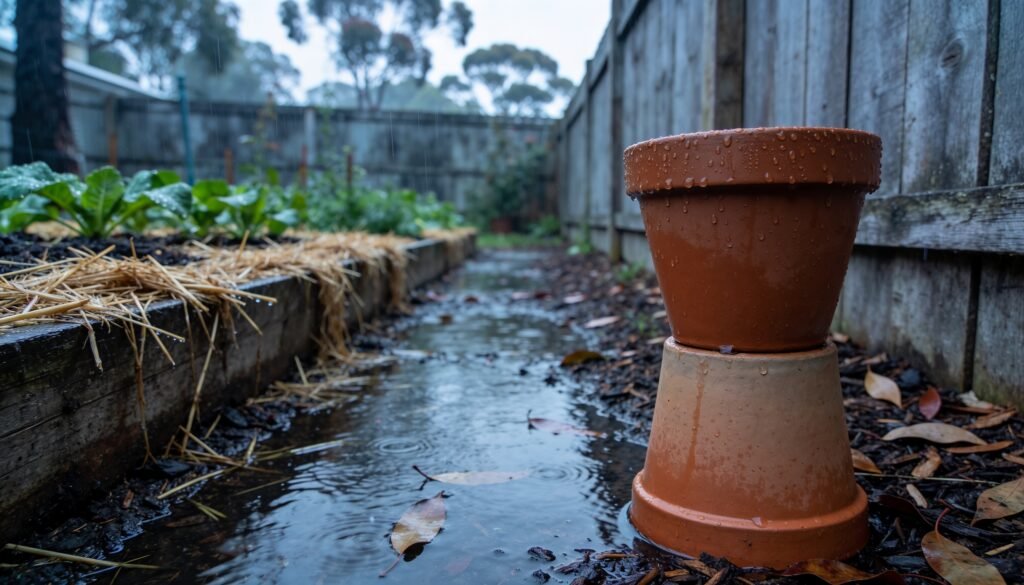
Check moisture beneath the surface rather than watering by habit. Water the root area when needed and make sure pots drain freely. Keep mulch away from emerging seed rows and small plant stems. These checks matter in every zone; a calendar cannot tell you whether this particular pot is wet.
Tomatoes need a separate timing decision: use the guide to choosing a local tomato window before adding them to this plan. For an adjoining herb pot, the herb guide’s heat-tolerance distinctions help you plan beyond this crop.
Choose your first vegetables, mark their sowing dates and leave room for the next batch. Use the month-by-month plan for the subtropical patch to decide what follows them.

 By anastasnowla@gmail.com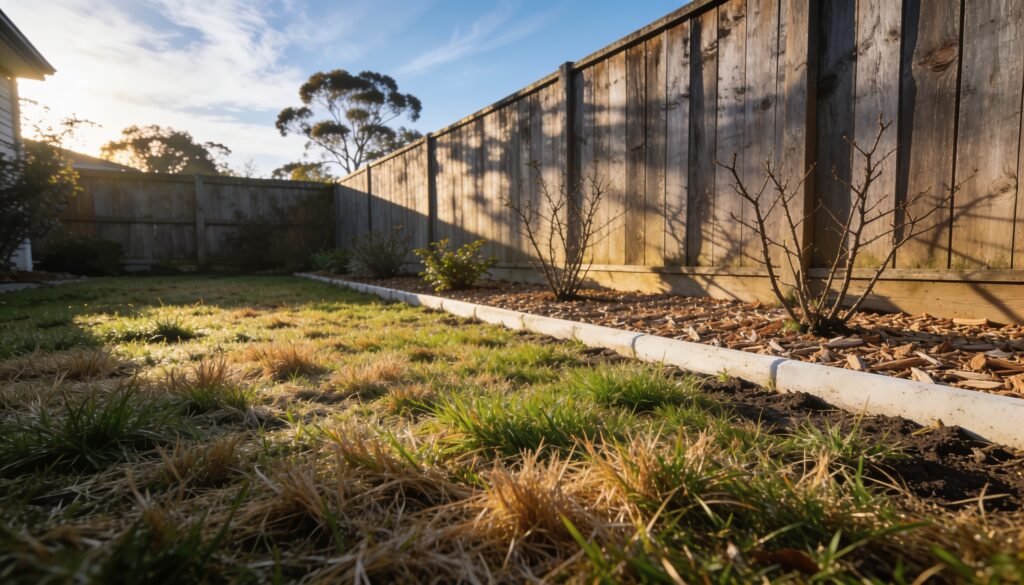
1 Comment
[…] Related: Winter Vegetables You Can Actually Plant in Subtropical Australia. […]