
Native mint bushes (Prostanthera) reward you with masses of flowers and mint-scented leaves, but they have two well-documented weaknesses: poor drainage and a short life. Plant them in free-draining soil, prune lightly after flowering, and take cuttings so a replacement is ready when the original declines.
Treat a mint bush as a spectacular, somewhat temporary shrub rather than a permanent fixture. That mindset removes most of the disappointment.
What is a native mint bush?
Prostanthera is a genus of Australian shrubs in the mint family, found across a range of states, soils and climates. Species differ a great deal. Oval-leaved mint bush (Prostanthera ovalifolia) is described by the Australian Native Plants Society as a variable shrub that may reach 5 metres by 4 metres in the wild, though garden plants are often smaller. Another species, P. scutellarioides, is a small wiry shrub rarely over half a metre tall.
Because of that variation, check the label for the exact species or cultivar, its mature size and its preferred conditions. Advice here covers what the sources agree on, and notes where species differ.
What soil and drainage does it need?
Drainage is the make-or-break factor. The ANPSA profile for oval-leaved mint bush states that good drainage is essential and raised beds help. It warns that overwatering can induce root rot and fungal problems. The profile for P. linearis asks for enriched but well-draining soil.
Practical ways to deliver this:
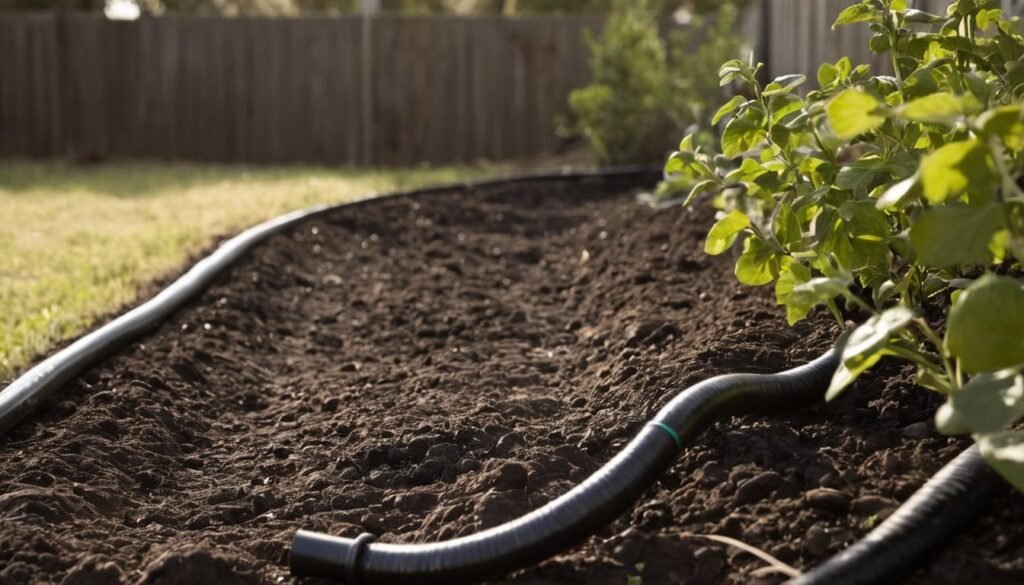
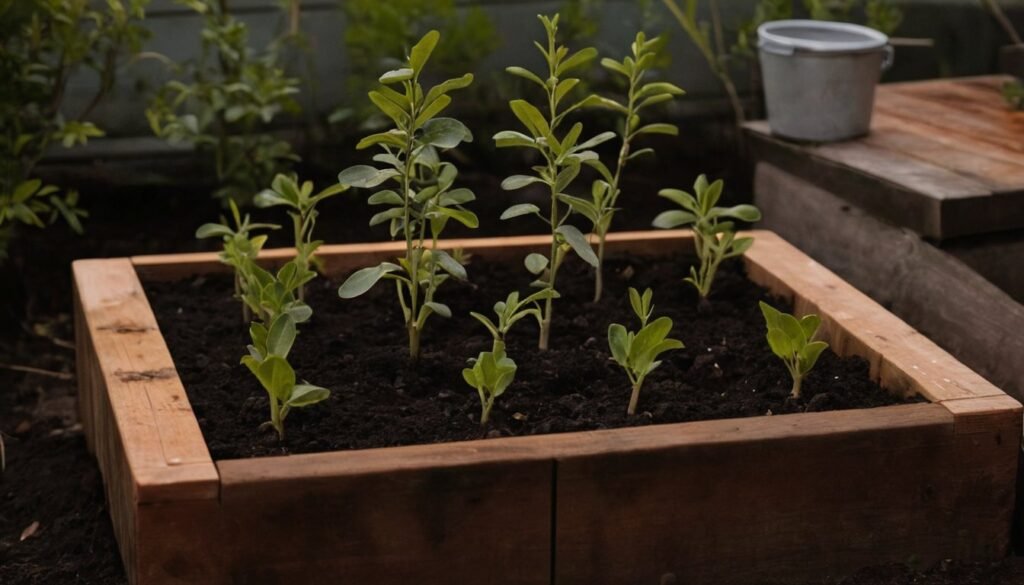
- Plant into a mound or raised bed, especially on clay or in low spots.
- Keep the crown at or slightly above the surrounding soil level.
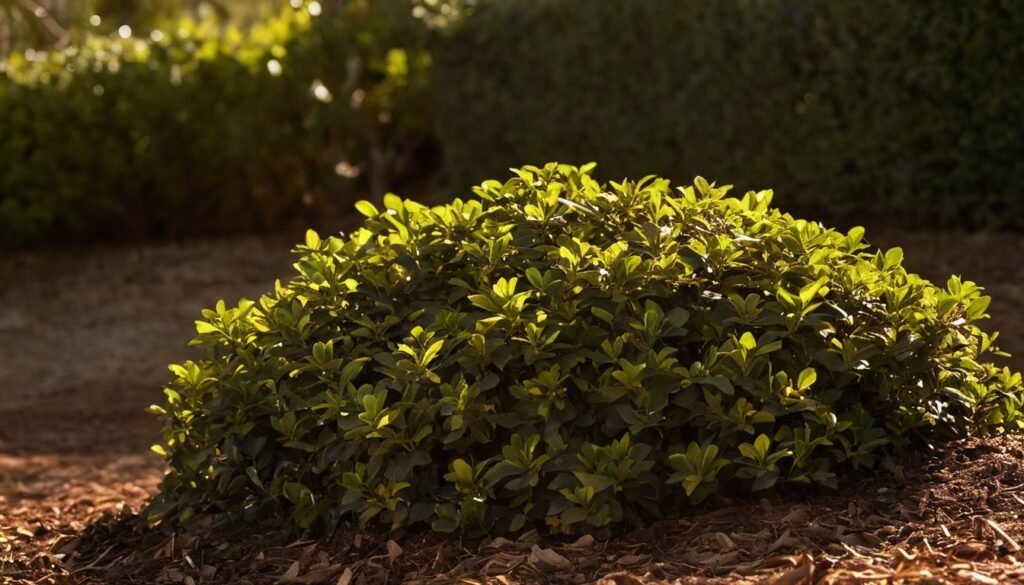
- Mulch with a coarse organic mulch, kept clear of the stem.
- Avoid planting where roof or path run-off pools.
How much sun and water does it want?
Sources are not uniform. The oval-leaved species does best in some sun or dappled shade, P. linearis suits dappled shade, and P. scutellarioides wants a well-drained position with some shelter from direct summer sun. The Understorey Network entry for P. lasianthos mentions both full sun and shady sites. The safe reading is bright light with relief from the harshest afternoon sun, adjusted to the species.
For watering, keep young plants evenly moist until established, then water deeply but infrequently. Established plants may wilt in dry spells and recover after a drink and mulch, according to the ANPSA. If leaves droop while the soil is wet, suspect roots, not thirst.
Why does it struggle in humid or wet climates?
None of the sources state a humidity requirement, so this part is editorial reasoning. Warm, wet, humid weather keeps soil saturated and favours root rot, which the sources already identify as the main hazard. In the subtropical and tropical east, that makes summer the riskiest season.
Climate guide:
| Climate | What to focus on |
|---|---|
| Tropical and humid subtropical | Raised mound or pot, open airy position, extra caution through the wet season |
| Warmer temperate | Free drainage, afternoon shelter in summer |
| Cool temperate, Tasmania, highlands | Usually easier on moisture; protect from harsh frost and wind in the first year and check species hardiness |
| Arid and semi-arid | Drainage is still critical; supply regular water while establishing and shade from fierce summer sun |
Local conditions vary a lot, so ask a local native nursery which species do well nearby.
When and how should you prune?
Prune lightly, straight after flowering. The ANPSA says judicious pruning limits height and prevents a straggly plant, while P. linearis can be pruned lightly to shape. The RHS notes that hard pruning may be detrimental, which is a sensible caution for any cultivated form.
Flowering time is species-dependent. Oval-leaved mint bush flowers profusely in spring, and P. linearis from September to December, so the main prune falls in late spring or early summer in most places. Cut only the flowered tips, leaving green leafy growth on every stem.
Can you grow mint bush in a pot?
Yes, with care. A pot suits the smaller species and gives you full control over drainage. The RHS lists a cultivated P. ovalifolia selection as suitable for containers, though that is UK cultivation context.
- Choose a pot with large drainage holes, and lift it onto feet so water escapes freely.
- Use a quality native or free-draining potting mix, not heavy garden soil.
- Place it in bright light with a little afternoon shade.
- Water when the top of the mix has dried, never leaving the saucer full.
- Feed sparingly with a slow-release fertiliser suited to natives, at label rates.
- Refresh the potting mix or step up one pot size only when roots fill the container.
Containers can dry quickly in heat, so check them often in summer. See the guide to choosing plants for an Australian garden for matching plants to pots, sun and soil.
How long will it live, and how do you replace it?
Expect a limited lifespan. The Understorey Network entry reports that Prostanthera are not long-lived even in good conditions. It adds that the Australian National Botanic Gardens began grafting onto Westringia fruticosa rootstock in the 1970s, and that ungrafted plants generally need regular repropagation. A grafted plant from a nursery may be an option if you want a longer-lived specimen. The ANPSA also notes that P. scutellarioides seems difficult to maintain for long periods. No source gives a reliable number of years, so do not rely on one.
Cuttings are the practical insurance:
- Take soft-tip or semi-hardwood cuttings in spring or autumn, as the ANPSA recommends.
- Choose healthy, non-flowering shoots from the current season.
- Insert them into a free-draining propagation mix and keep it moist, not soggy.
- Avoid misting heavily. The Understorey Network warns that P. lasianthos cuttings may rot under mist.
- Pot on the rooted cuttings and keep them going while the parent is still healthy.
Seed is possible, but sources describe it as slow or unreliable compared with cuttings.
What about the scented leaves?
Brushing the foliage releases a mint scent, so plant near a path, seat or doorway where you will pass. Treat it as an ornamental fragrance only. This guide makes no culinary or medicinal claims, and you should not assume a plant is suitable for eating or other uses.
Common mistakes
- Planting into heavy, poorly drained soil without mounding.
- Watering on a fixed schedule through wet weather.
- Hard pruning into bare wood.
- Expecting decades from a single plant, and taking no cuttings.
- Keeping saucers full under potted plants.
- Choosing a plant without checking its mature size for the space.
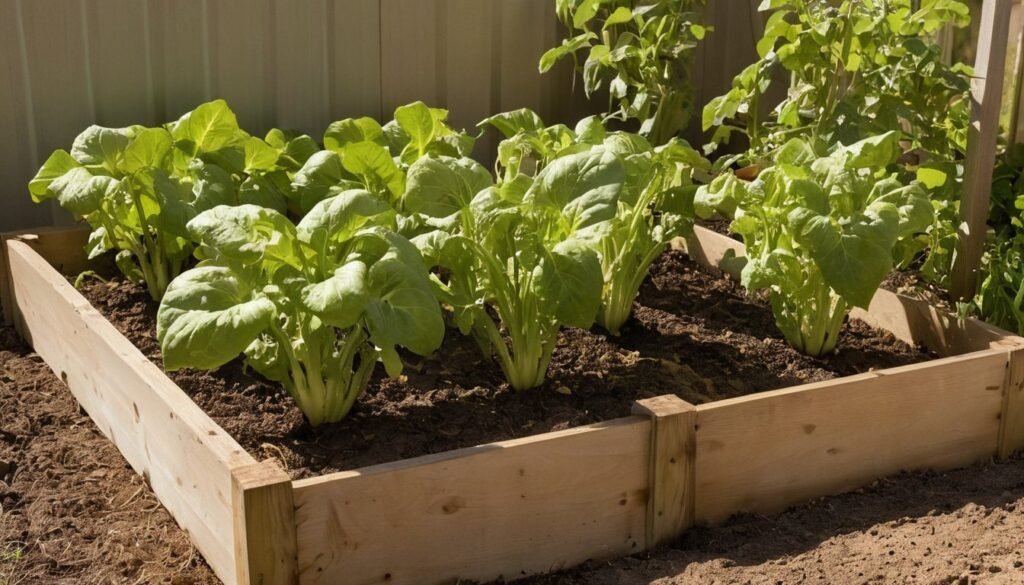
Mixing plants with different needs is a quiet cause of failure. A bed watered generously for a thirstier shrub such as a camellia can drown a mint bush, so group by water needs. Our camellia care guide shows what a plant with different needs looks like in practice.
Before you buy, write down the species name, mature height, flowering season and where you will take cuttings from. Those four details make later propagation and replacement much easier, and they stop you guessing when a plant begins to fade.
For companion shrubs that ask for little, the list of undemanding Australian native plants is a good next step.

 By anastasnowla@gmail.com

No comment yet, add your voice below!