
Most camellias do best in dappled light or morning sun, acidic well-drained soil under a thick layer of mulch, and steady moisture through summer. Sasanquas cope with more sun and flower earlier; japonicas want more shade and flower later. Most bud drop is either normal or linked to dry summers.
This guide covers choosing between the two main types, the watering that matters most, the problems to recognise, and when to prune.
Sasanqua or japonica: which suits your garden?
The two groups behave differently, so pick before you plant. The details below come from a mix of sources, and cultivars vary.
| Feature | Sasanqua | Japonica |
|---|---|---|
| Sun | Tolerates full sun to partial shade, though shelter from hot afternoon sun is still sensible | Prefers shade from intense summer sun |
| Flowering | Earlier, roughly autumn into early winter (a Queensland newspaper feature gives March to May) | Later, into winter (the same feature gives June to August) |
| Leaves and flowers | Smaller leaves, often smaller flowers | Larger glossy leaves, showier flowers |
| Common use | Hedges and screens, warmer districts | Specimen shrubs, shadier positions |
Sources agree on the direction of these differences: sasanqua suits sun and warmer climates while japonica prefers shade. NC State Extension lists sasanqua as a hedge option that flowers in late autumn and winter.
Exact flowering months shift with climate and cultivar. In the subtropics and tropics, heat and humidity are the harder test, so lean towards sasanqua and a shaded, sheltered position. In temperate and cool districts both groups are widely grown. In arid or hot inland areas, camellias are a demanding choice and need shade and reliable moisture; check what local nurseries and botanic gardens grow successfully.
If you are still deciding whether a camellia belongs in your garden at all, start with the guide to matching plants to an Australian garden.
What soil and mulch do camellias need?
Camellias are acid-loving. The Royal Botanic Garden Sydney gives a target of pH 5.5 to 6.5 and suggests testing before planting. It describes rich, well-draining loam as ideal, and suggests mixing organic matter or an acidic planting mix through heavy clay.
Their roots are shallow. Plant with the top of the root ball level with the surrounding soil and do not pile soil or mulch against the trunk. Keep mulch thick across the root zone but pulled back slightly from the stem. Leaf litter, woodchip and bark all suit them.
Yellow leaves with green veins can point to alkaline soil, a problem often seen near concrete or in limey soils. Test the soil before reaching for a quick fix.
How should you water camellias through summer?
Newly planted camellias need regular deep watering while they establish; the Sydney botanic garden advises watching them closely for the first six months, especially in summer and while flowering.
Established plants cope with some dryness, but summer is when they are most at risk. Clemson’s factsheet notes that bud drop can be caused by under-watering in summer. Many gardeners say summer is when next season’s flower buds are forming, which is why a dry summer shows up as lost flowers months later. That link is widely repeated but the sources I opened state only the bud drop connection, so treat the exact mechanism as likely rather than proven.
Practical steps:
- Water deeply and less often rather than a light sprinkle that wets only the surface.
- Check moisture under the mulch with a finger or trowel before watering.
- Keep mulch topped up. Clemson suggests a layer of two to three inches, about five to eight centimetres.
Why do camellia buds drop?
Not all bud drop is a problem. Clemson notes that many camellias set more buds than they can open, so some loss is normal, particularly on heavily budded plants.
If most buds fall or brown, work through the likely causes:
- Dry summer or dry root zone. The cause the sources support most clearly.
- Petal blight, if buds or flowers brown and rot (see below).
- Roots disturbed or buried. Digging near the shallow roots or deep mulch against the trunk stresses the plant.
- Pot drying out. Container plants dry quickly, covered further down.
Other causes are mentioned in gardening guides, such as cold or over-feeding, but I could not confirm them in sources suited to Australian conditions, so they are left out here.
How do you recognise petal blight, and what should you do?
Petal blight is a fungal flower disease. NC State Extension describes browning that runs from the edges to the centre of the petals and advises that infected parts be promptly removed. The same page notes sasanqua is lower risk because autumn weather is generally unfavourable to the fungus, which is a reason later-flowering types can face more risk in damp winters.
Hygiene is the non-chemical approach:
- Pick off browned flowers as soon as you see them, including those that fall.
- Rake up and bin fallen petals rather than composting them.
- Keep a clean mulch layer over the soil beneath the plant.
- If you are considering a fungicide, check the product label and your state agriculture department first.
Photos of petal blight vary a lot, so compare against a reliable image from a botanic garden or nursery before deciding. If you are unsure, ask a local nursery or camellia society.
What does tea scale look like?
Tea scale is a small sap-feeding insect. LSU AgCenter explains that the scales live in groups under the leaves, leaving a white, cottony residue. Feeding causes yellow spots on the upper surface and, in severe cases, leaf loss and fewer blooms.
Flip a spotted leaf over to check. If you find colonies:
- Remove and bin badly affected leaves or shoots.
- Open up dense growth after flowering to improve airflow, which LSU suggests.
- Do not assume yellow leaves mean scale. Nutrient and soil problems look similar from above.
For anything beyond hand removal and pruning, follow the label on any product and your state agriculture department’s advice.
Camellias also sit awkwardly beside plants with opposite needs. The care guide for banksias covers a native that wants lean, sharply drained soil, so keep the two in separate beds.
When and how should you prune?
Prune straight after flowering. The Royal Botanic Garden Sydney says later pruning removes next season’s buds, and NC State notes that blossoms appear on old growth. A light trim keeps shape without sacrificing blooms. For sasanqua hedges, trim soon after the flush ends.
Cutting hard into old wood costs you flowers the following season. Some camellias respond but this varies, so cut in stages.
Can camellias grow in pots?
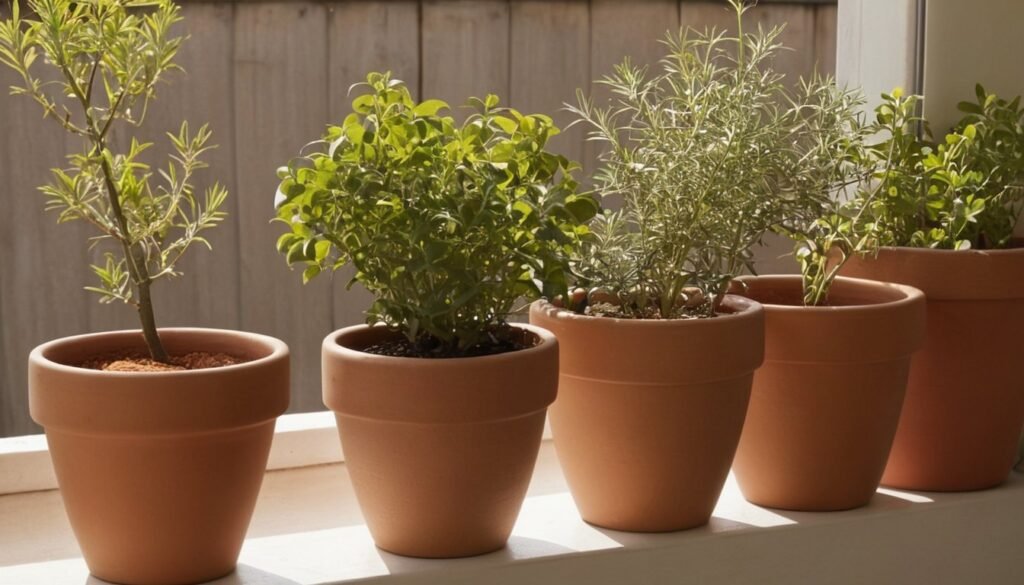
Yes. Queensland Country Life reports that most camellias do well in containers with a potting mix suited to acid-loving plants. Pots dry out far faster than ground, so check moisture often through summer and keep the pot out of hot afternoon sun. Repot into a larger container when roots fill the pot.
For feeding, a slow-release fertiliser suited to acid-loving plants, used at label rates, is a general approach. Royal Botanic Garden Sydney suggests feeding in spring, with a second feed in summer for mature plants.
Common mistakes
- Planting in alkaline or heavy, waterlogged soil.
- Letting summer dryness go unnoticed under mulch.
- Pruning in late winter or spring after the buds have already formed.
- Burying the trunk base in mulch or soil.
- Putting a japonica in full afternoon sun.
Gardenias have similar soil and shade preferences, so the gardenia care guide is a useful companion if you are planning an acid-loving bed.

 By anastasnowla@gmail.com

No comment yet, add your voice below!