
Potted plants can move with you if you plan the move around them. Water them a day or two beforehand, trim lightly, pack them upright and shaded, and make them the last thing in and the first thing out of the vehicle. The biggest risk in an Australian summer is heat, not the journey itself.
The checklist below runs from choosing pots through to settling plants into a new aspect. Plants growing in the ground at a rental are a separate matter; ask the owner or agent before you dig anything up.
Which pots and mixes make a plant easy to move?
If you rent, move often or garden on a balcony, pot choice decides how painful moving day is. A sound approach is to grow in containers that you can carry, or roll.
- Choose lightweight pots. Plastic or fibre pots with drainage holes are far easier to lift than glazed ceramic or terracotta, and they do not shatter in a truck.
- Go as large as you can still shift. Small pots dry out quickly, as Sanctuary magazine’s guide for renters notes. Big pots are better for plants but heavy when full, so castors (small wheels) are worth fitting under the largest ones.
- Keep the mix light and free-draining. A good-quality potting mix is lighter than garden soil and drains better. Avoid filling large pots with heavy garden soil, which compacts and makes the pot very heavy.
- Cluster pots. Grouped pots shade each other’s sides and dry out more slowly.
Moving works best with plants that tolerate pots well: herbs, succulents, citrus in large tubs, many shrubs and most perennials. If you grow annual vegetables, you may be better off finishing the crop or starting again. A fabric-sack spud crop is a good example of a planting that is simpler to harvest than to relocate.
When should you start preparing?
Start two to three weeks before moving day if you can. Some jobs are best done early so plants have time to recover.
- Repot plants into lighter containers (if needed) at least a couple of weeks ahead, so roots have time to settle before the move.
- Prune lightly. Remove dead, damaged or leggy growth. A light trim makes plants easier to pack and reduces the leaf area that has to be kept hydrated. Do not do a hard prune just before moving; the plant is about to cope with stress already.
- Check for pests and deal with them using non-chemical methods such as hand removal or a strong spray of plain water. Pests that travel in the truck settle in the new place too. If a chemical step is genuinely needed, check the product label and your state agriculture department.
- Water thoroughly a day or two before, not the morning of the move. Damp (not soggy) mix keeps roots hydrated but avoids heavy, spilling pots.
- Tidy and tie up trailing or sprawling stems loosely so they are not snapped.
How do you pack and wrap potted plants?
Plants travel best upright, in a snug container, with nothing pressing on the foliage.
- Stand pots in sturdy boxes or crates and fill gaps with scrunched paper or old towels so they cannot tip.
- Wrap the top of the pot with a bag or cloth gathered around the stem to hold the mix in place.
- Do not seal the leaves in plastic. Trapped moisture and heat cook foliage. Loose breathable cloth is safer, particularly for tall or brittle stems.
- Mark boxes “live plants” and “this way up” so movers do not stack things on them.
- Take cuttings or divisions of irreplaceable plants as insurance (see the dividing section below).
How do you protect plants from heat in a car or truck?
Vehicles heat up quickly in an Australian summer, and a closed van or car boot is hotter again. This is common-sense horticulture rather than a precise rule: the temperature in a parked vehicle in the sun can rise well above the outside air, so plan the move to keep plants out of it.
- Move plants in the cooler part of the day, early morning or evening. Sanctuary magazine suggests moving plants in cooler weather, ideally at dusk.
- Load plants last and unload them first. The less time they spend in a stationary vehicle, the better.
- Never leave plants in a parked car or closed truck while you stop for lunch or finish the house clean.
- Put them inside, not on an open tray. Sanctuary magazine advises transporting plants inside a truck or van rather than on the back of a ute, because wind can burn leaves and cause root shock.
- Think about the pot as well as the leaves. NC State Extension explains that roots in containers can experience much higher temperatures than the foliage, and that dark containers in full sun heat up quickly. Keep dark pots out of direct sun while loading and unloading.
- Use airflow in the cabin if plants ride with you, and keep them out of direct sun through the window.
Can you take plants across state borders?
Some states restrict moving plants and soil across borders, so check your state’s interstate quarantine rules before you pack. The rules differ between states and can change, so confirm them with the agriculture department of the state you are moving to before you decide which plants to bring.
How do you settle plants into a new aspect?
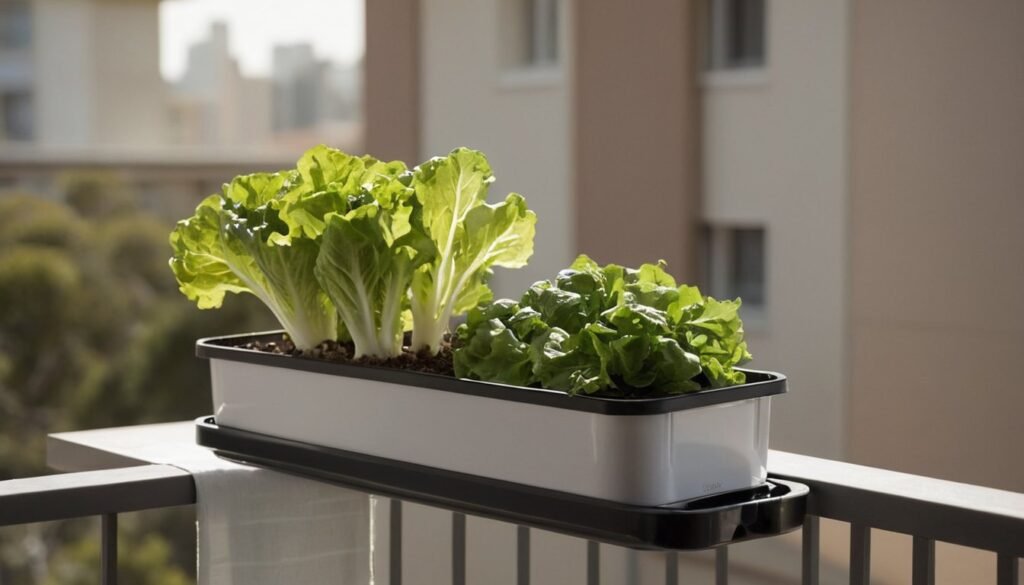
Aspect is the direction a space faces and how much sun it gets. A balcony that was shaded by neighbouring buildings can be fierce in a new west-facing spot. Plants that were happy before may scorch or sulk.
- Spend a day watching the light. Note where the sun falls in the morning and afternoon before you place pots.
- Start sheltered. Put plants in bright shade or protected morning sun for the first week or two, then move them gradually into stronger light if they suit it.
- Water well on arrival, then check often. Sanctuary magazine suggests watering regularly for about a month after moving a plant.
- Hold off feeding and repotting for a few weeks while roots recover. A slow-release fertiliser suited to the plant, used at label rates, can resume once new growth appears.
- Expect some leaf drop. A few yellow or dropped leaves in the first fortnight is common. Wilting that continues despite damp mix, or widespread collapse, is a sign to check roots, drainage and sun exposure.
If you are setting up a small outdoor space from scratch, the step-by-step guide to growing in compact outdoor spaces covers sun, wind and pot placement. For paved areas and shared yards, ideas for a hard-surfaced outdoor room show how to use pots to create shade and privacy.
Should you divide big plants before moving?
Dividing a large clump gives you smaller, lighter pieces that are easier to carry and a backup if one portion struggles. It suits many clumping perennials, herbs and grasses; it does not suit every plant, and a vigorous plant that is happy as it is can be left alone.
Oregon State University Extension lists the usual signs a clump needs dividing: a dead centre, thinning growth or fewer flowers. Its general rules apply anywhere:
- Time it by flowering, not by a fixed month. Do not divide a plant while it is in bloom, and avoid dividing in the hottest part of summer in warm and subtropical areas.
- Water the plant a day or two beforehand, lift the clump, remove loose soil and discard any dead centre.
- Split with a clean knife or spade, or by prising apart with two forks for tough clumps. Each piece needs at least two growing points.
- Keep divisions shaded and moist while you work, and replant with the crown level with the soil surface.
Allow divisions a few weeks in their new pots before the move so they are not recovering from the cut and the journey at the same time.
What are the common mistakes?
- Watering heavily right before loading, which makes pots heavy and spills mix.
- Leaving plants in a hot vehicle “just for a bit”.
- Hard pruning or repotting the day before the move.
- Packing in sealed plastic.
- Moving a plant straight into full afternoon sun in the new place.
- Forgetting to confirm interstate plant and soil rules first.
- Assuming every plant is worth moving; a cheap annual may not be worth the effort.
Moving-day checklist
- Two to three weeks out: repot into lighter pots, divide big clumps, check for pests.
- One week out: prune lightly, choose the order of loading.
- One to two days out: water thoroughly, drain, pack upright in boxes.
- Moving day: load plants last, travel in the cooler part of the day, keep them inside the vehicle.
- Arrival: unload first, water, place in bright shade, watch the aspect, then settle into position.

 By anastasnowla@gmail.com


No comment yet, add your voice below!