
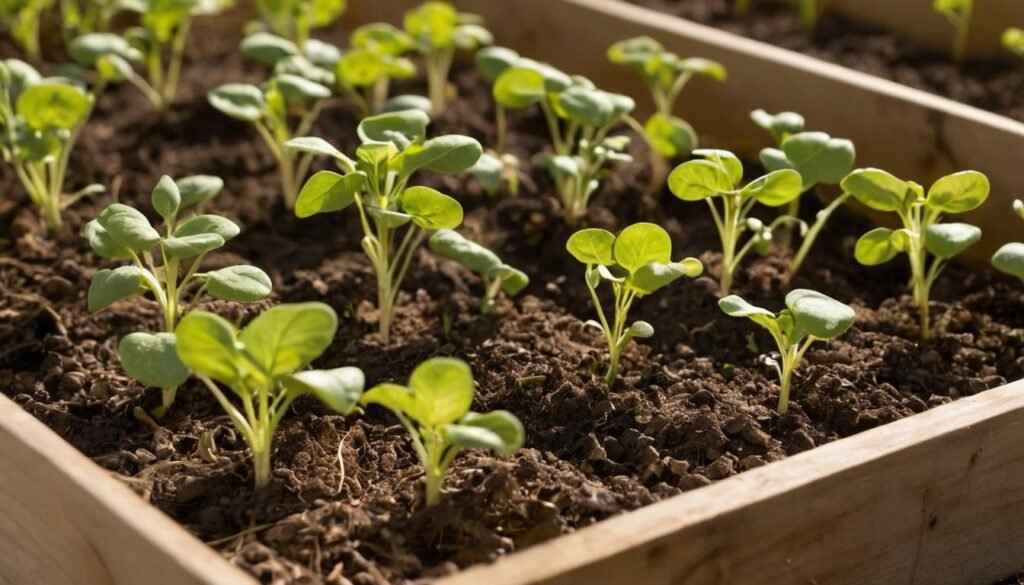
If seedlings are lying on the soil with roots exposed, or mulch has been flung across the path, a bird has probably been foraging. Birds are usually hunting insects, worms or seeds, and a seedling is simply in the way. The reliable fix is a physical barrier over young plants until they are large enough to cope.
Scarecrows and shiny objects are not a dependable answer, because birds soon get used to them. A cover, a cage or bigger seedlings will do more.
Which birds dig up seedlings?
It depends on where you live, so identify the bird before choosing a barrier. Watch the bed for ten minutes at dawn or dusk, when birds are most active.
- Common Blackbirds forage mainly on the ground, probing and scratching at leaf litter, lawns and soil. The Australian Museum describes them as rather destructive of backyard vegetable patches. They are most often reported in cooler southern and highland gardens.
- Australian Brush-turkeys rake mulch and soil into mounds. Toowoomba Regional Council notes that a male brush-turkey can strip small plants and mulch from a landscaped garden in less than a day. They are mainly a problem along the east coast from Queensland into northern New South Wales.
- Seed and seedling eaters. The University of Maryland Extension lists starlings, finches, crows, pigeons and sparrows as birds that dig out seeds before or after germination. These are US species, but small seed-eating birds in your area can behave the same way. Local parrots and cockatoos are sometimes blamed for pecking young plants, though this article has no source confirming the behaviour, so treat it as a possibility to watch for, not an established fact.
If the damage is chewed leaf edges or holes, not uprooting, the culprit may be an insect or snail. The guide to working out what is chewing your leaves will help you tell the difference.
Why do they target seedlings?
There are three common reasons, and more than one can apply at once.
- Food in the soil. Moist mulch and freshly turned or watered soil hold earthworms, grubs and other invertebrates. Birds scratch for them, and shallow-rooted seedlings are pulled out as a side effect.
- Seeds and sprouts. Newly sown seed and freshly germinated shoots are easy to pick.
- Loose, soft ground. Newly planted seedlings sit in loosened soil with little root anchorage, so a single peck or scratch can tip them out.
Damage is often worst after planting out, after watering, and while mulch is fresh. Part of the reason is that you have just made the bed an attractive place to forage. This is a practical observation rather than a measured rule, and bird activity also varies by season and by what else is available nearby.
How do you protect seedlings physically?
Barriers work best when they go on at planting, before the first raid, and stay until plants are sturdy. Choose by the size of the problem.
| Barrier | Best for | Watch out for |
|---|---|---|
| Cloche or bottomless clear container pushed into the soil | Single seedlings, small beds | Can overheat on warm days; open or lift it in hot weather |
| Wire-mesh cage or cloche (rigid, small openings) | Seedlings in beds where birds scratch | Make sure the base is pegged and there are no gaps at ground level |
| Chicken wire pegged flat over mulch | Brush-turkey scratching, bare beds | Cut planting holes or lift the wire as plants grow |
| Hoop tunnel with fine mesh or insect mesh | Rows and whole beds | Keep it taut and clear of the foliage so birds cannot peck through |
| Rocks or large gravel over mulch | Brush-turkey and blackbird mulch flicking | Heavier to move and to refresh; may warm the soil |
For brush-turkeys, the council advice is to lay chicken wire over mulched beds and anchor it with stakes and rocks, use tree guards on vulnerable plants, and put heavy coverings such as rocks or large gravel over mulch.
For small seedlings, a floating row cover or fine insect mesh on a low frame is a good option. The University of Maryland says a floating row cover excludes all types of wildlife very well. Hold it clear of the leaves on hoops and fix every edge, so birds cannot push it down and peck through.
Use wildlife-friendly netting only
Loose, wide-mesh netting can tangle birds, bats, possums, lizards and snakes. If you use netting, make it wildlife-friendly:
- Choose a mesh small enough that a finger cannot be poked through. The ACT Government’s wildlife-friendly netting advice uses a 5 mm or smaller mesh as its guide.
- Fit it tightly over a frame with no loose folds, and make sure it does not droop onto the ground where reptiles can become caught.
- Check it every day or two for gaps, tears and loose pegs.
- If an animal is caught, do not cut it free yourself. Call your local wildlife rescue service.
Rules and guidance on netting differ between states and territories, so check your own state or territory wildlife authority before buying.
Is it better to plant bigger seedlings?
Often yes. Tiny, shallow-rooted seedlings are the easiest for birds to pull up. Raising them in pots or trays until they have a firm root ball and several true leaves makes them harder to dislodge, and they recover better from a nibble.
A simple routine:
- Sow in trays or pots in a sheltered spot, such as a bench under cover or a mesh-topped frame.
- Wait until the roots hold the potting mix together when you tip the pot out.
- Plant out into soil that has been watered and firmed, then cover straight away.
- Keep the cover on for the first few weeks and lift it only when plants are clearly sturdy.
There is no fixed size at which a seedling becomes safe. Gardeners often wait until plants are well above ground level, but that is a rule of thumb, and it will not suit lettuce or root crops. Judge by the plant and by whether birds keep returning.
Direct-sown crops such as peas, beans and carrots cannot be raised larger first. Cover those seedbeds from the day you sow.
When should you plant to avoid the worst of it?
Timing helps, but it depends on your region and the bird.
- Brush-turkey areas (subtropical and eastern coastal Queensland and northern NSW). The council suggests planting new specimens in late summer, after the main mound-building period of August to December. Do not plant beside an active mound. Cover or fence beds if you must plant in spring.
- Temperate and cool areas with blackbirds. Expect more scratching around fresh mulch in warmer months. Hold back on spreading fresh mulch right next to new seedlings, or keep it a few centimetres away from stems.
- Tropical areas. Local birds and wet-season conditions differ. Cover beds from planting and watch which birds visit.
Check local conditions rather than relying on a calendar date. Frost risk, rain and your own bird visitors vary a lot.
Common mistakes
- Covering after the damage starts. Birds learn where food is. Put the barrier on at planting.
- Using loose, wide-mesh netting. It is the setup most likely to harm wildlife.
- Leaving gaps at the base. Birds walk in under a cover with a lifted edge.
- Sealing covers in humid weather. Trapped damp air can encourage mould, so ventilate cloches and check under covers. See the notes on furry fungal growth that follows damp, still conditions.
- Burying the bed in thick fresh mulch. It makes a rich foraging patch right where seedlings are weakest.
- Relying on scarecrows or hanging CDs alone. They tend to lose their effect.
What if nothing works?
Combine methods: bigger seedlings, a pegged cover and a few days of watching. If brush-turkeys have started a mound, they can be very persistent. Prevention is easier than removing a bird that has settled. Stick to barriers and habitat changes rather than harming the birds, and contact your state wildlife authority for local advice.
Birds are also useful in a garden, as many eat insects. The aim is to protect young plants for a few weeks while keeping the birds around. For the wider picture of what goes wrong in home gardens and how problems fit together, the broader map of common Australian garden problems is a good next stop.

 By anastasnowla@gmail.com

No comment yet, add your voice below!