
Galangal grows well in warm, humid gardens if you give it part shade, steady moisture and patience. Plant firm rhizomes with the buds facing up once the soil has warmed, expect the first worthwhile harvest after many months, and take portions from the clump rather than the whole plant. In frost-prone areas, grow it in a large pot you can move to shelter.
Which galangal are you growing?
Two plants share the name. Greater galangal (Alpinia galanga) is the tall one, and the species most guides recommend for cooking. Lesser galangal (Alpinia officinarum) is a smaller plant, described by Epic Gardening as reaching about half the height of the greater type.
Rhizomes sold for gardens in Australia are usually labelled Alpinia galanga. Check the label or ask the seller, because the two species differ in size and in how much room they need. This guide is written for greater galangal. Lesser galangal should follow the same broad principles on a smaller scale, though the sources I found give little detail on it.
Galangal is a relative of ginger and turmeric, but it behaves differently. Our guide to growing turmeric at home covers a related rhizome crop. Epic Gardening says galangal does not die back like ginger, though Australian guides still describe foliage yellowing before a whole-clump harvest, so watch your own plant.
What climate does it need?
Galangal is a tropical plant. Rob Pyne’s Cairns-based guide gives warm, humid conditions of roughly 20 to 30 degrees C as the ideal and says the plant must be kept frost free. Gardening Australia makes the same frost point.
| Zone | What to expect | Suggested approach |
|---|---|---|
| Tropical | Best match for the plant | Plant in the ground, ideally at the start of the wet season; watch drainage in heavy rain |
| Subtropical (south-east Queensland, northern NSW coast) | Generally suitable | Plant in the ground in spring; give winter shelter from any frost |
| Temperate (Sydney, Perth, Adelaide, Melbourne) | Marginal in the ground | Use a large pot and move it to a warm, sheltered spot for winter |
| Cool, Tasmania and highlands | Not reliable outdoors | Pot only, with frost-free winter space |
| Arid | Possible with care | Needs shade from harsh sun and steady watering; local conditions vary a lot |
This table is a general guide. Frost pockets, coastal air and sheltered courtyards all change what a particular garden can support. If you are unsure, start with a pot, which keeps the option to move the plant.
For timing the planting itself, the month-by-month sowing guide for warm areas helps you match the season to your region. Retail growing guides give zone planting windows, but they are approximate and mostly cluster in spring and early summer for cooler zones.
How do you plant the rhizomes?
- Choose firm, healthy rhizomes with buds. Avoid soft, shrivelled or mouldy pieces.
- Wait for warm soil. The Seed Collection says shoots need soil of roughly 20 to 30 degrees C. Planting into cold, wet soil is the main way to lose rhizomes to rot.
- Prepare the bed. Clear weeds, dig the soil over and mix in compost or aged manure. The soil should be rich in organic matter and drain freely.
- Lay the rhizomes with the buds facing up. Cover them with soil to around 5 to 10 cm deep. The two Australian guides give slightly different depths (about 10 cm and 5 to 10 cm), so somewhere in that range is reasonable.
- Space them 20 to 30 cm apart, allowing for the clump to thicken. A mature greater galangal plant can grow very tall, so leave room around it.
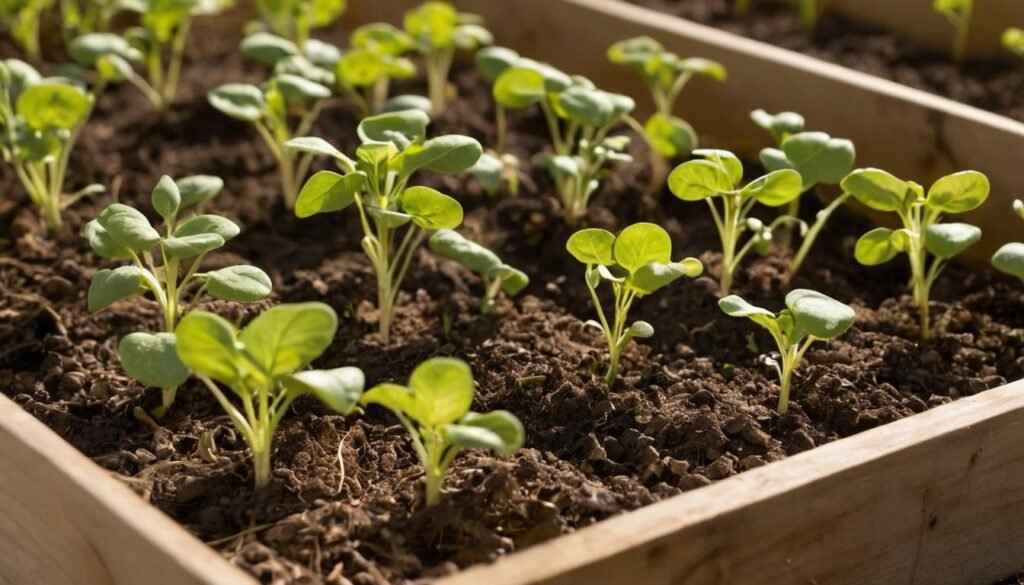
- Water lightly until shoots appear. Keep the soil just moist, not wet. Shoots can take a while.
- Mulch around the stems once growth starts, keeping mulch clear of the shoots themselves.
If you are building a warm-season edible patch, the step-by-step luffa growing guide covers another heat-loving crop that suits similar climates, though it wants far more sun.
How much shade and water does it want?
Galangal usually does best in part shade. The sources agree on the general idea but vary on how much sun is best:
- Gardening Australia says most Alpinia species prefer partial shade and tolerate almost full shade.
- Rob Pyne says part shade to full sun, with afternoon shade in hotter areas to prevent leaf scorch.
- The Seed Collection suggests at least 3 hours of direct sun a day, ideally morning sun and afternoon shade.
In practice, morning sun with afternoon shade or dappled light under a high canopy suits most of Australia’s warm zones. In cooler or cloudier places, give it more sun.
Water matters as much as light. The plant wants moist, well-drained, rich soil that never fully dries out and never sits waterlogged. Water deeply and let the surface drain between waterings, rather than giving small daily sips. Water at soil level to keep leaves drier, which the Seed Collection notes helps reduce fungal problems.
In wet seasons, the Rob Pyne guide suggests growing in pots so that excess water can drain away. That is useful advice in the tropics, where heavy downpours can saturate in-ground beds.
Why is it so slow, and when can you harvest?
Galangal is not a quick crop. Sources give different timelines. Rob Pyne says rhizomes are usually ready around 6 to 12 months after planting, while The Seed Collection suggests roughly 160 to 190 days to maturity in ideal conditions. Epic Gardening suggests 10 months to a year. These figures reflect different climates and growers. Treat the longer range as the realistic planning figure, and expect slower growth in cooler zones.
The same Rob Pyne page says full flavour can take much longer, from 18 months to 3 years. That is one grower’s experience rather than a measured trial, but it is a good reminder that bigger, older clumps tend to give more to dig.
Harvesting a portion of the clump:
- Wait until the plant is well established, with several tall canes.
- Choose one side of the clump and dig carefully with a fork or spade, as you would for ginger.
- Lift a few rhizomes and cut them from the clump with a clean knife, leaving the rest in the ground.
- Replace the soil, water well, and rotate sides next time.
- Keep a few firm pieces with buds for replanting.
You can also lift the whole clump when the foliage yellows and dies back, as the Seed Collection and Rob Pyne describe. For a long-lived plant that supplies the kitchen for years, harvesting by portion is usually the better habit. Store unpeeled rhizomes briefly at room temperature or in the fridge, or peel and freeze them for longer storage.
How do you grow galangal in pots?
Pots are the best option for anywhere with frost risk, and they also help with drainage in very wet places.
- Use a large container. The Seed Collection suggests 75 litres or more for temperate and cold climates. A smaller pot will restrict a plant that spreads by rhizomes.
- Use quality potting mix with good drainage and add compost.
- Feed gently. Container plants may need extra nutrients. A slow-release fertiliser at label rates, or an occasional liquid feed in spring and summer, is a general option.
- Move it in winter. Take it to a warm, sheltered spot such as a north-facing balcony, verandah or greenhouse before the first frost.
- Reduce watering in cool months, but do not let the mix dry out completely.
Every year or two, Gardening Australia suggests dividing the clump. Tip it out, find the new shoots and cut between sets of stems with a sharp knife or clean secateurs. A division with four to five stems is a good size for replanting. You can also give pieces away.
What mistakes should you avoid?
- Planting into cold, wet soil. This is the most common cause of rotten rhizomes.
- Setting rhizomes upside down or too deep. Buds face up, covered but not buried.
- Giving up too early. Shoots can be slow, and the first harvest takes months.
- Too much hot afternoon sun without enough water, which scorches leaves.
- Letting the soil dry out completely during hot spells.
- Keeping the plant outdoors through frost. Move pots or provide cover.
- Digging the whole clump too soon. Take portions and let the rest keep growing.
If you garden in a warm, humid region, it is also worth checking your local council or state agriculture department for any planting rules in your area, before planting any ginger-family species outdoors.
What is established and what is uncertain?
Well supported across the sources: galangal needs warmth, dislikes frost, prefers part shade and moist, well-drained soil, and grows from buds on rhizomes. Less certain: exact planting dates, sun levels and time to harvest, which differ between guides and depend heavily on your climate. Start small, record when you plant and what happens, and adjust for your own conditions.

 By anastasnowla@gmail.com

No comment yet, add your voice below!