
Lettuce, spinach, peas, broccoli and carrots all grow in pots through the cooler months, as long as the pot is deep enough and the mix drains well. Sow from autumn in most of Australia, earlier in cold areas and later in the tropics, and expect slower growth than in spring.
The main adjustments are pot depth, shelter from wind and cold, and watering less often. Your local frost and temperature pattern decides the exact dates.
Which cool-season crops suit pots?
Shallow-rooted leafy crops are the easiest. Root crops, peas and brassicas also work, but they need more depth and a little more attention.
| Crop | Suits pots? | Main thing to watch |
|---|---|---|
| Leaf lettuce | Yes, easiest | Most frost-prone of the group; pick outer leaves to keep it going |
| Spinach and silverbeet | Yes | Steady moisture; slow in the coldest weeks |
| Peas | Yes, with a trellis | Needs a deeper pot and support from day one |
| Broccoli | Yes, one plant per large pot | Big plant, slow to mature |
| Carrots | Yes, short types best | Pot depth must match carrot length |
The University of Illinois Extension lists spinach, kale and carrots among crops suited to containers, while noting some vegetables are better off in beds. Compact or short-rooted varieties make the job easier.
How deep should the pot be?
Depth matters more than width for most cool-season crops. UC Master Gardeners give a useful guide to soil depth for container vegetables:
- Leaf lettuce and spinach: 9 to 12 inches (about 23 to 30 cm).
- Broccoli: 12 to 14 inches (about 30 to 35 cm), with plants about 12 inches apart.
- Peas: 14 to 16 inches (about 35 to 40 cm).
- Carrots: 9 to 18 inches (about 23 to 45 cm), depending on the length of the carrot.
The Illinois guide gives a minimum across-the-top size of over 10 inches (roughly 25 cm) for leafy greens and over 12 inches (roughly 30 cm) for carrots. Treat these as starting points. The seed packet for your variety takes priority.
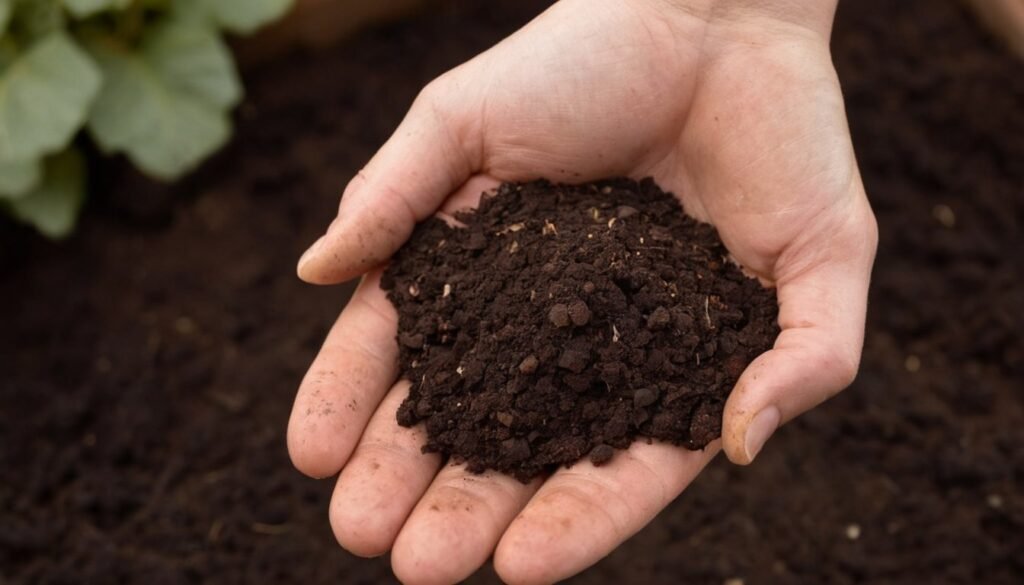
Use a quality potting mix rather than garden soil, which is heavy and slow to drain. Every pot needs drainage holes.
When do you sow in each climate zone?
These windows are general editorial guidance, not a published calendar, because frost and heat vary a lot within each zone. Check your own local conditions and frost pattern.
| Zone | Typical cool-season window | Notes |
|---|---|---|
| Tropical (Top End, far north Queensland) | Dry season, roughly May to August | Wet-season heat and rain make pots hard going. Start seed under cover if a downpour would wash it out. |
| Subtropical (south-east Queensland, northern NSW coast) | Roughly March to August | Frost is light or absent in coastal spots. Inland and elevated sites need a frost check. |
| Temperate (Sydney, Melbourne, Adelaide, Perth) | Roughly February to July for hardy crops | Lettuce and spinach sown late can stall in winter; pea and broccoli timing depends on frost. |
| Cool and highland (Tasmania, tablelands) | Sow late summer to early autumn | Plants need to be well established before hard frost. Peas often go in again in late winter. |
| Arid inland (Alice Springs, western NSW) | Autumn into early winter | Big day-to-night temperature swings. The NT Alice Springs sowing calendar includes broccoli, lettuce, peas and carrots for that region. |
ABC Organic Gardener advises planting at more than one time so a later sowing can make up for an early one lost to weather. In pots this is easy: sow a small pot every two to three weeks.
How do you protect pots from wind and frost?
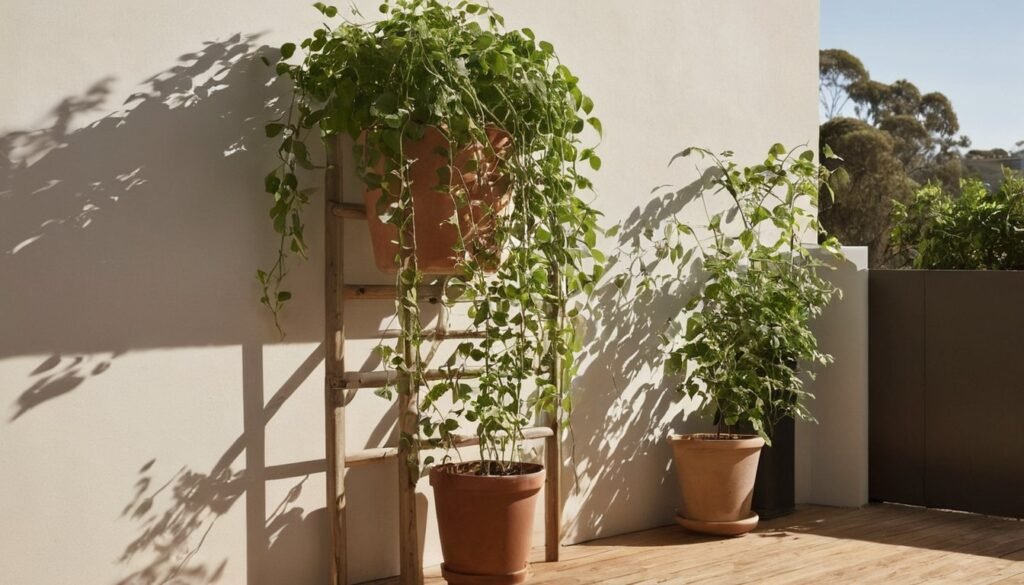
Wind dries out pots and tears leaves, and balconies are often windier than gardens. The NT Government’s Darwin guide recommends a site protected from strong winds, which applies equally to a high-rise balcony. Move pots against a wall, group them together or add a screen.
For frost:
- Know your risk. Frost is a local event. Cold air pools in low spots, and open, elevated sites can get hit too.
- Move pots under cover. An eave, a table or a spot against a warm wall is often kinder than open ground.
- Cover on cold nights. Frost cloth, old sheets or cut plastic bottles over seedlings are all suggested by ABC Organic Gardener. Remove them in the morning.
- Check the mulch. The same article notes that organic mulch can trap frost, so scrape it back from sensitive plants before a frost.
- Protect lettuce first. The article names lettuce as the most frost-prone, because of its high water content.
Covers that also keep out birds and insects are covered in the guide to protecting balcony vegetables with fabric and netting.
How much less should you water in cool weather?
Less often, but never zero. Cool air and short days slow evaporation, so a pot that needed daily water in summer may need it every few days. Use the finger test: UC Master Gardeners advise pushing a finger into the top inch of soil and watering if it feels dry, until water runs out of the bottom.
Their advice for winter is practical: remove the saucer so plants do not sit in water. Water early in the morning so leaves are not wet overnight when temperatures drop.
NT guidance for seedlings says to keep soil moist but not over-watered, and not to let it dry out. Windy, sunny spots and terracotta pots dry faster than sheltered spots and glazed or plastic pots.
How fast will plants grow?
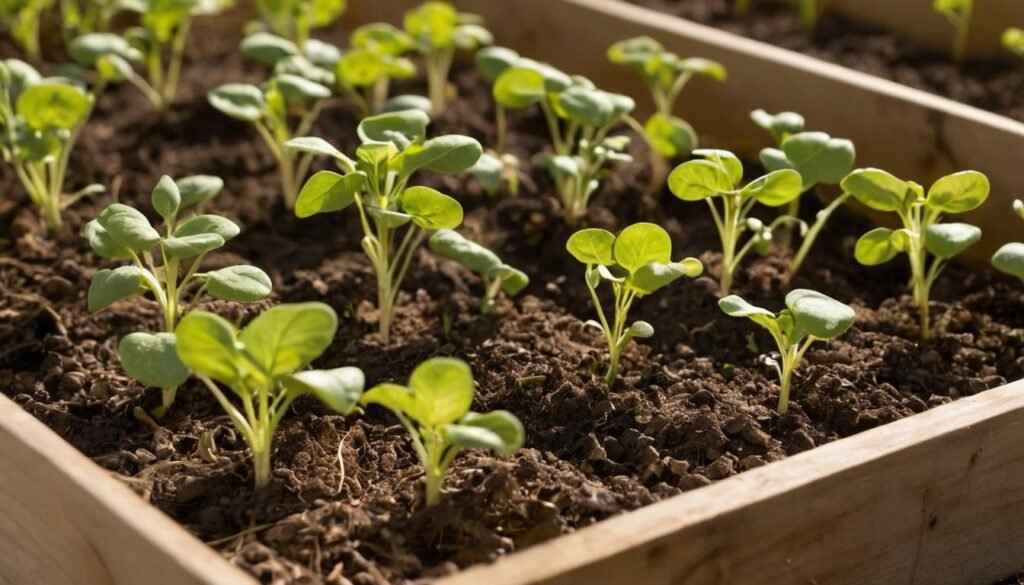
Slower than in spring. Cool soil and short days stretch the time to harvest, and midwinter can feel like standing still. Packet days-to-harvest figures assume good conditions, so add time.
- Lettuce and spinach: start picking outer leaves once plants are established, rather than waiting for a full head.
- Peas: flowering depends on temperature and variety; do not expect a fast crop in the coldest weeks.
- Broccoli: the slowest of the group. One large pot gives one main head, then smaller side shoots.
- Carrots: germination can be slow and patchy in cold soil. Keep the surface evenly moist until seedlings show.
Warm-climate gardeners get growth through most of the cool season. Cold-climate gardeners may find growth almost stops for weeks in midwinter, then resumes as the light increases.
Common mistakes
- Pots too shallow for peas and carrots. Match depth to the crop, not to the pot you already own.
- Overwatering in cool weather. Soggy mix and a saucer full of water are the usual cause of stalled seedlings.
- Sowing too late. Plants that are tiny at the start of winter may barely move until spring.
- Using garden soil. It compacts and drains poorly in a pot.
- Forgetting fertiliser. Nutrients wash out of pots with watering. A slow-release fertiliser suited to vegetables, at label rates, is a simple fix.
- Ignoring heat in the shoulder seasons. Early autumn sowings in northern areas can bolt or fail if a hot spell hits.
What is established, and what depends on you?
Well established: shallow-rooted leafy crops suit pots, deeper crops need deeper pots, pots need free drainage, and cold nights and wind stress plants. Climate-dependent: the exact sowing dates, whether lettuce survives a given frost, and how much growth you get in midwinter. Check local guidance and keep your own records.
If you are setting up on a balcony, start with the renter-friendly approach to growing on a balcony for weight, light and rules. For the other end of the year, see how to keep suspended planters going through summer heat.

 By anastasnowla@gmail.com
No comment yet, add your voice below!