
Beetroot grows in every Australian climate zone, but the sowing window changes a lot: winter in the tropics, autumn to spring in the subtropics, and the shoulder seasons or a spring and late-summer pair further south. Sow seed where it will grow, thin the seedlings, keep the soil evenly moist and pick roots while they are still small to medium.
Most disappointing crops come from the same few causes: hot weather, dry spells, crowded plants and leaving roots in too long.
When should you sow beetroot in your climate zone?
Timing follows temperature and rain more than the calendar. ABC Organic Gardener describes the pattern by region, and the table below follows it.
| Climate | Best sowing time | Why |
|---|---|---|
| Tropical north | Winter (the ABC example is sowing in early June for a late August harvest) | The wet season and heat are the main problems |
| Subtropical | Autumn, winter and spring | The humid summer wet season is difficult |
| Arid, semi-arid and temperate | Autumn and spring | Shoulder seasons avoid the hottest and coldest weather |
| Cool regions, highlands, Tasmania | September to October and January to February | Allows two cropping windows |
Local conditions still matter. A frost pocket, a hot western wall or a wet coastal spring can shift the best weeks. Treat these as starting points and check your state agriculture department for a local calendar. Our month-by-month subtropical planting calendar shows how this fits with other crops in a warm-climate patch.
How do you prepare the soil?
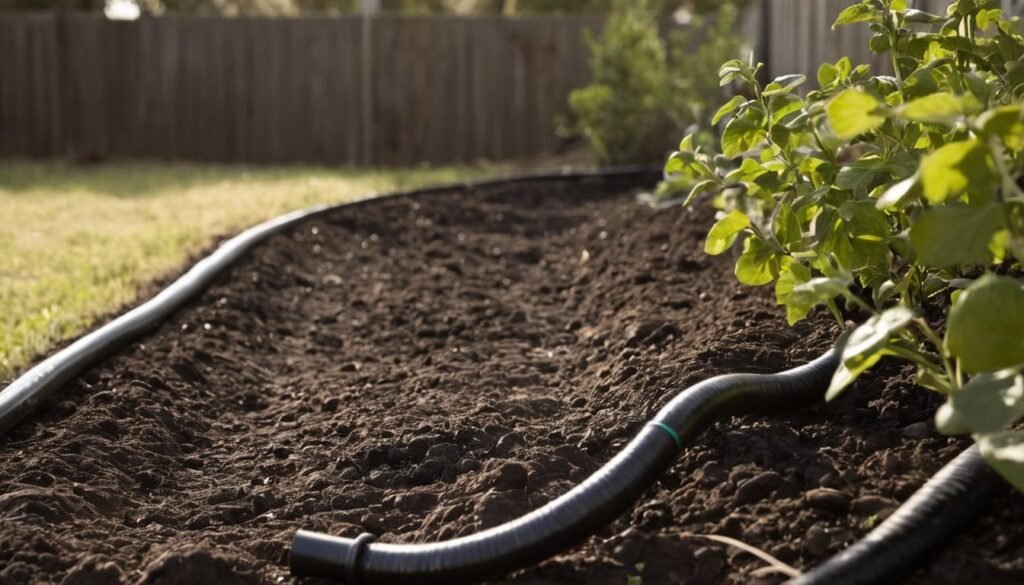
Loose, stone-free soil gives smoother roots. ABC Organic Gardener suggests loosening the bed with a fork, breaking up clods and raking to a fine tilth before sowing.
Remove stones and old roots, and work in some mature compost if the soil is poor or sandy. Avoid fresh manure, which can encourage leafy growth and forked roots. This is general practice rather than a tested rule.
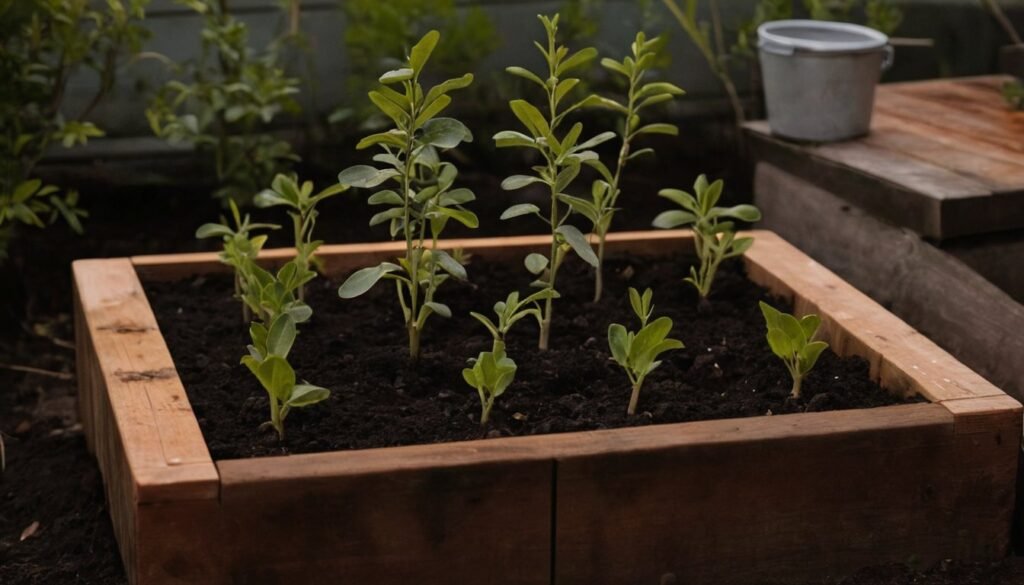
A compacted layer is a common cause of misshapen roots. If water pools or the soil sets hard after rain, loosen it deeper or build a raised bed.
How do you sow and thin the seed?
Sow direct. Beetroot dislikes being transplanted, so seedlings raised in trays and moved late often do worse than those sown in place.
Each corky “seed” is actually a cluster of two or three seeds, according to ABC Organic Gardener. That means one clump can produce several seedlings. Gardenate notes thinning is nearly always needed for the same reason.
- Make shallow drills about 30 cm apart.
- Sow the clusters thinly and cover lightly with fine soil.
- Keep the surface damp until seedlings appear.
- When seedlings are big enough to handle, thin to one per clump by snipping the extras at soil level. Pulling them can disturb the neighbour you want to keep.
- Thin again as roots swell, aiming for about 10 cm between plants. Thinnings of golf ball size are sweet and good to eat, as the ABC’s organic tips page notes.
Soaking seed in water for several hours before sowing is often suggested to help germination. It is optional.
How do you water beetroot to avoid woody roots?
Aim for steady moisture. Long dry spells followed by heavy watering are a common reason roots turn tough or crack. Gardenate reports that dry conditions lead to a woody core, and ABC Organic Gardener links hot weather in spring-grown crops to bolting and woody roots.
- Water little and often during germination, then deeply once or twice a week, depending on weather and soil.
- Mulch between rows once seedlings are established to hold moisture and reduce soil splash.
- Keep the shoulders of the roots covered with soil or mulch, as the Gardenate notes advise, to help even colour.
- In hot weather, light shade cloth over the bed can help in subtropical or inland gardens. This is practical advice, not a tested figure.
Heat is the other cause of woody roots. If hot weather is arriving, harvest early rather than hoping for larger roots.
When is beetroot ready, and what about the leaves?
Pick when roots are baby to medium size. The ABC’s guide says roots are ready from baby size up to a root that fills your hand, and both Gardenate and the ABC’s tips page mention golf ball size as a tender stage. Gardenate gives roughly 55 to 70 days from sowing, but that varies with variety and season.
Twist or cut the tops off about 2 to 3 cm above the root to limit bleeding. Roots left in the ground too long become tough, particularly in warm weather.
The leaves are edible. Pick small, tender ones for salads, as the ABC suggests, and take only a few leaves from each plant so the root keeps growing. Larger leaves can be cooked like silverbeet.
What problems affect beetroot, and what can you do without chemicals?
Leaf spot. The ABC describes Cercospora leaf spot as small brown blotches that gradually expand on the leaves. It spreads in warm, wet, humid weather, which is why subtropical summers are risky.
- Space plants so air can move through the bed.
- Water the soil in the morning rather than the leaves in the evening.
- Mulch to cut soil splash, as the ABC advises.
- Remove badly spotted leaves and put them in the bin rather than the compost.
- Rotate the bed so beetroot, silverbeet and spinach do not follow each other in the same soil.
Leaf miner. Look for pale, winding tunnels or blotchy patches inside the leaf, and tiny white eggs under the leaf. Check the undersides regularly and squash eggs by hand, pick off and bin affected leaves, and consider fine insect mesh over young plants. The root itself is usually not the part affected, so beetroot generally tolerates some leaf damage better than silverbeet or spinach. This leaf miner advice is general practice rather than drawn from a cited agency page.
If you decide a spray is needed, check the product label and your state agriculture department before using it.
Possible nutrient problems. If plants stay poor despite steady watering and good soil, a nutrient shortage is possible, but diagnosis needs local advice. Ask your state agriculture department or a soil test service before adding anything. This article does not give application amounts.
What common mistakes should you avoid?
- Sowing in the hottest months of the subtropics and wet-season tropics.
- Leaving clusters unthinned, which gives crowded plants and small roots.
- Letting the bed dry out between heavy waterings.
- Overfeeding with nitrogen, which can favour leaves over roots.
- Leaving roots to grow oversize.
Where does beetroot fit in the rest of your garden?
Beetroot is a good starter crop because it tolerates cooler weather and is small enough for a corner of a raised bed. If you are still choosing what to grow first, our guide to starter crops for new vegetable gardeners helps you pick crops that match your time and space.
Beetroot also fits well in the cooler months when young fruit trees are establishing. If you are planting one, read how to look after a young avocado tree so the vegetable bed does not compete for water or space around its roots.

 By anastasnowla@gmail.com


No comment yet, add your voice below!