
Carrots reward three things: a fine, stone-free, deep bed, soil that stays evenly moist until the seedlings emerge, and sowing in mild weather rather than the heat of summer. Get those right and most forked, stunted or missing carrots are avoided.
Sow where they will grow. Carrots do not like being moved, and the other mistakes below are mostly fixed before the seed goes in.
How do you get carrot seed to germinate?
Carrot seed is small and slow, and the usual failure is a seedbed that dries out before the seedlings break through. University of California advice is to keep the soil evenly moist at seed depth until seedlings emerge, while avoiding waterlogging.
Practical steps:
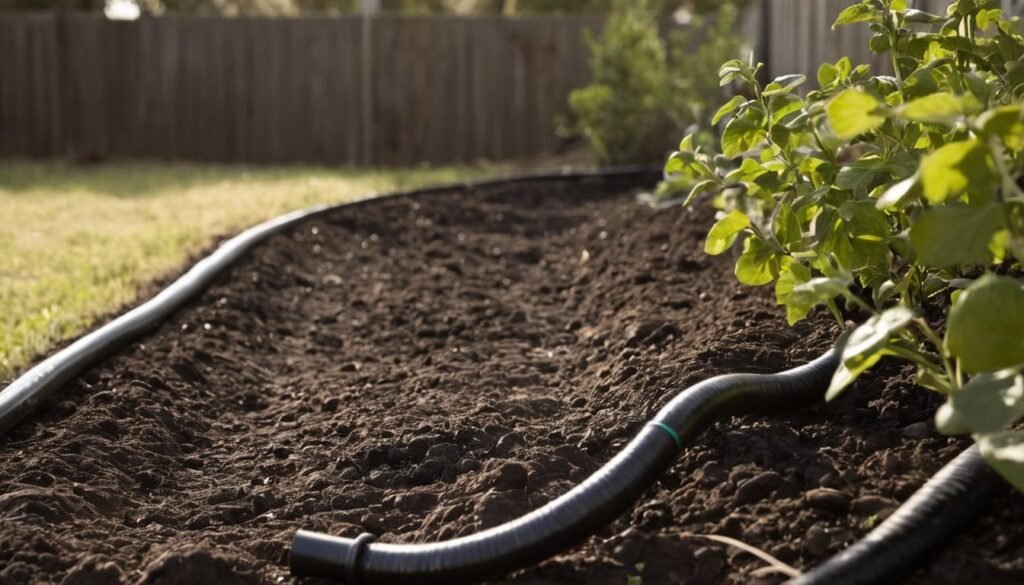
- Rake the bed to a fine tilth. An Australian seed supplier notes that compacted soil stops seedlings breaking through and that a crust forming on top is a problem, so keep the surface moist.
- Sow thinly in shallow drills and cover lightly with fine soil or fine compost.
- Water gently with a fine spray, once or more a day if the surface dries in warm weather.
- In hot or windy weather, a light cover such as a board or damp hessian over the row can slow drying. This is a common home-gardener practice, not something the sources above tested, so lift it every day or two and remove it as soon as you see green shoots.
- Expect seedlings in roughly one to three weeks. Slower in cool soil.
Do not respond to a patchy row by flooding it. Soggy soil rots seed and, as covered below, is linked with poor roots later.
When should you sow by climate zone?
Carrots can be grown through much of the year in Australia, but they taste best when growing quickly, and heat is the main limit. The Australian supplier guidance above says sustained soil temperatures of 25 degrees C or higher cause stunted growth and bolting.
Timing below is a general editorial guide, not a state calendar. Check it against your own soil temperature and local advice.
| Climate | Usual approach |
|---|---|
| Tropical (Top End, far north Queensland) | Cooler, drier months only; avoid the wet season and hot build-up |
| Subtropical (south-east Queensland, northern NSW) | Autumn through winter and early spring; avoid midsummer |
| Temperate (southern coasts, Sydney, Melbourne, Adelaide, Perth) | Late winter through autumn, avoiding the hottest weeks |
| Cool and highlands (Tasmania, tablelands) | Spring to early autumn once the soil has warmed and frost risk has passed |
| Arid and inland | Cooler months; shade the seedbed in warm spells |
For the bigger picture of what else belongs in the same beds, use the month-by-month planting calendar for subtropical vegetable gardens.
How do you thin carrots without damaging the rest?
Thin once seedlings are 5 to 10 cm tall, to the spacing on your seed packet. The RHS suggests roughly 5 to 7.5 cm apart, and warns that overcrowding can distort roots.
Thin after watering, when the soil is soft, and pinch or snip the extra seedlings rather than pulling. Pulling can disturb neighbouring roots, and Oregon State extension notes that disturbing nearby roots can contribute to forking. Firm the soil back afterwards.
Why do carrots fork or split?
Several causes are well supported, and they often overlap:
- Stones and sticks. The taproot grows round obstacles. The seed supplier guidance names stones, sticks and solid objects as the main cause. Sieve or hand-pick the top 20 to 25 cm of soil.
- Fresh or unrotted manure and compost. The same source warns against material that is not fully rotted, because texture changes push the root off line. Oregon State notes carrots do not want much nitrogen. Add compost well ahead of sowing, or feed the previous crop instead.
- Overwatering and heavy, wet soil. The University of California page lists hairy, forked, misshapen roots as a sign of overwatering. Aim for even moisture, not sogginess.
- Compaction. Loosen the bed deeply before sowing.
- Transplanting. Direct sowing is recommended because transplanted carrots fork more often.
Root-knot nematodes can also cause stubby, branched roots, but none of the sources opened here confirmed this. If a well-prepared bed keeps producing galled roots, ask your state agriculture department.
Which carrots suit heavy soil or pots?
Choose root length to match the soil you have. The RHS says short-rooted types suit stony, shallow or heavy clay soil, where long roots may become misshapen, and round-rooted types suit most containers.
- Heavy clay: short or stump-rooted varieties, plus a raised bed or mounded row with plenty of grit-free, loosened soil.
- Pots: a deep pot with a round or short variety, kept evenly moist because small volumes dry quickly.
- Sandy or deep loam: long varieties are possible if you dig deeply and remove stones.
Read the packet or label for mature root length and match it to the depth you can actually loosen.
What causes green shoulders?
The top of the carrot turns green when it pushes above the soil and is exposed to light. It is the same reaction as in potatoes, and the seed supplier notes it is usually tough and bitter. Pull a little fine soil or mulch up over the crowns as the roots swell.
When and how do you harvest?
Start checking around eight weeks after sowing, depending on variety, and plan to harvest before roots are 12 to 16 weeks old, because carrots left in too long can split and lose sweetness. The RHS advises not aiming for the biggest roots, as flavour tends to decline.
Water the day before, loosen beside the row with a fork and lift gently so the roots do not snap. For a steady supply, sow a short row every few weeks in a suitable window rather than one large block.
Common mistakes to avoid: sowing into midsummer heat, letting the seedbed dry out, digging in fresh manure just before sowing, leaving stones in the bed, and thinning by rough pulling.
What is established and what depends on your garden?
Well supported across the sources: carrots want loose, stone-free soil, even moisture while seedlings emerge, direct sowing, modest nitrogen, and soil over the shoulders. Short and round varieties genuinely cope better with heavy ground and pots.
Climate-dependent: the exact sowing months, how often a seedbed needs watering, and how soon roots size up. Soil temperature, rainfall, shade and soil type all shift these, so treat the table above as a starting point and keep a note of what worked in your own beds.
Uncertain: how much each forking cause contributes in a given garden. If the bed was stone-free and the manure was old but roots still forked, look at watering pattern and compaction next. Change one thing per sowing so you can tell what made the difference.
Where next?
Carrots share a bed rhythm with other root crops. The guide to growing beetroot covers a similar sowing approach, and the list of easy vegetables for beginners helps you plan what else to grow around them.

 By anastasnowla@gmail.com


No comment yet, add your voice below!