
Okra is a heat-loving summer crop. Sow it in warm soil, space plants about 40 to 60 centimetres apart, and pick the pods small and often. Cold soil is the most common reason it fails to start.
It suits tropical, subtropical and warm temperate gardens best, but gardeners in cooler places can still get a crop in a warm, sunny spot if they wait for the weather to settle.
When should you sow okra in your climate zone?
Timing follows soil warmth, not the calendar. Bunnings describes okra as a summer or dry-season crop, sown in spring in cool and warm climates and in the dry season in humid areas. Gardenate gives a soil range of about 20 to 35 degrees Celsius. University of Maryland Extension uses about 65 degrees Fahrenheit (roughly 18 degrees Celsius) as the minimum, which is a floor rather than a target.
For month-by-month timing across the whole warm-season patch, use the planting calendar for warm Australian gardens. The table below is editorial guidance built on the soil-warmth principle. Treat the months as a starting range and adjust for your own site.
| Climate zone | Typical sowing window | What to watch |
|---|---|---|
| Tropical (Top End, far north Queensland) | Dry season, roughly April to September | Wet-season humidity encourages fungal problems |
| Subtropical (south-east Queensland, northern NSW coast) | Roughly September to December | Sow once nights are consistently mild |
| Warm temperate (Sydney, Perth, Adelaide) | Roughly October to December | Soil can stay cold into spring; wait it out |
| Cool temperate and Tasmania | Late spring, start in pots under cover | Short season; choose a sheltered, sunny spot |
| Highlands and frosty inland areas | After the last frost, from late spring | Frost kills okra; local frost dates vary year to year |
| Arid inland | Spring after frost risk passes, through summer | Needs steady water; heat suits it |
If you are unsure, push a thermometer or your finger into the soil in the morning. Cool, damp soil that feels cold to the touch is not ready.
Do you need to soak okra seed?
Soaking helps, because the seed coat is hard. The University of Maryland guide suggests nicking the coat lightly with sandpaper, then soaking the seed in water for 12 to 24 hours. Clemson Extension notes that soaking may improve germination but cannot rescue seedlings planted into cold soil.
Plant soaked seed straight away rather than letting it dry out again. Sow about three times the seed’s diameter deep, which is roughly 1 centimetre, and keep the soil evenly moist but never waterlogged.
How do you sow and space okra?
- Choose a spot with at least six hours of direct sun and well-drained soil enriched with compost.
- Sow soaked seed directly where it will grow, or raise seedlings in pots and plant them out when they are 5 to 10 centimetres tall.
- Thin to one plant per position. Competition reduces the crop, according to Clemson.
- Aim for 40 to 60 centimetres between plants. Gardenate gives 35 to 60 centimetres and the Maryland guide 30 to 45 centimetres, so closer spacing is workable in rich soil but reduces airflow.
- Leave about a metre between rows so you can reach every pod.
- Mulch once seedlings are established to hold moisture and steady soil temperature.
Expect roughly three months from sowing to first pods, though weather changes that.
How tall does okra grow, and does it need support?
Bunnings lists a height of about 2 metres. The Maryland guide puts it at 6 to 10 feet in the right conditions, which is about 1.8 to 3 metres. Plan for a plant taller than most gardeners expect.
Place okra on the southern side of a bed so it does not shade shorter crops. Stake plants in windy sites. Pinching out the growing tip when a plant is about 60 centimetres tall encourages branching, according to the Maryland guide, which means more flowering points and a lower, bushier plant.
Okra shares warm-season timing with other heat-lovers, so it fits alongside the corn crop that suits the same sowing window, and it shares many soil-borne problems with the eggplant, another sun-loving crop with similar needs.
When and how should you pick the pods?
Pick young and pick often. Bunnings suggests harvesting at around 7 to 8 centimetres long and picking daily to extend the harvest. The Maryland guide recommends pods 2 to 4 inches long (5 to 10 centimetres), picked about three times a week, one to three days after the flower opens.
Pods grow fast in hot weather. Left too long, they turn tough and fibrous, and Clemson notes that mature pods reduce the plant’s productivity. If you miss some, remove them rather than leaving them on the plant.
Most okra plants are spiny. Wear gloves and long sleeves as a general practice, and cut pods at the stalk with secateurs or a knife rather than pulling them.
If plants slow down in the middle of summer, Clemson describes cutting them back to about 15 to 30 centimetres above the soil, then feeding and watering well to prompt a fresh flush. This is a US practice, so test it on one plant before trying it on a whole row.
What goes wrong with okra?
Most problems trace back to cold soil, crowding or poor rotation.
- Seed fails to come up or seedlings collapse. Cold, wet soil is the usual cause. Clemson links cold soil to seedling disease and root decay. Wait for warmth and resow.
- Fungal problems in humid weather. Bunnings notes these appear in humid conditions or when plants are crowded. Space plants, water at the base and keep mulch off the stems.
- Stunted, yellowing plants with swollen roots. Root-knot nematodes cause galls on roots. Dig one plant up to check, and rotate away from related soil-borne problem crops. Bunnings advises avoiding the same spot for three to four years, because okra shares soil-borne troubles with tomatoes.
- Distorted pods. Clemson attributes twisted pods to stink bugs and leaf-footed bugs. Check plants regularly and remove bugs by hand.
- Snail damage on seedlings. Mulch and hand collection protect young plants. If you decide on any product, check the label and your state agriculture department first.
- Slow or no flowering. Shade, cool nights, or a late start in a cool climate are common causes. Climate and variety both matter, so this one is uncertain without knowing your site.
How do you save okra seed?
Leave a few of the best pods on the plant at the end of the main harvest. Bunnings advises letting older pods dry on the plant, then collecting seed when pods begin to dry and crack. Spread the seed on paper towel for a few days, then store it in a labelled, dated envelope in a cool, dry place.
Seed from open-pollinated varieties usually comes true. Saved seed from a hybrid may not, so check your packet first. Pods left to mature take over the plant’s energy, so mark the pods you are keeping early and keep picking the rest.
What are the common mistakes?
- Sowing too early, while soil is still cold.
- Planting seedlings out without allowing for the plant’s final height.
- Letting pods grow large because they look more productive.
- Replanting in the same bed year after year.
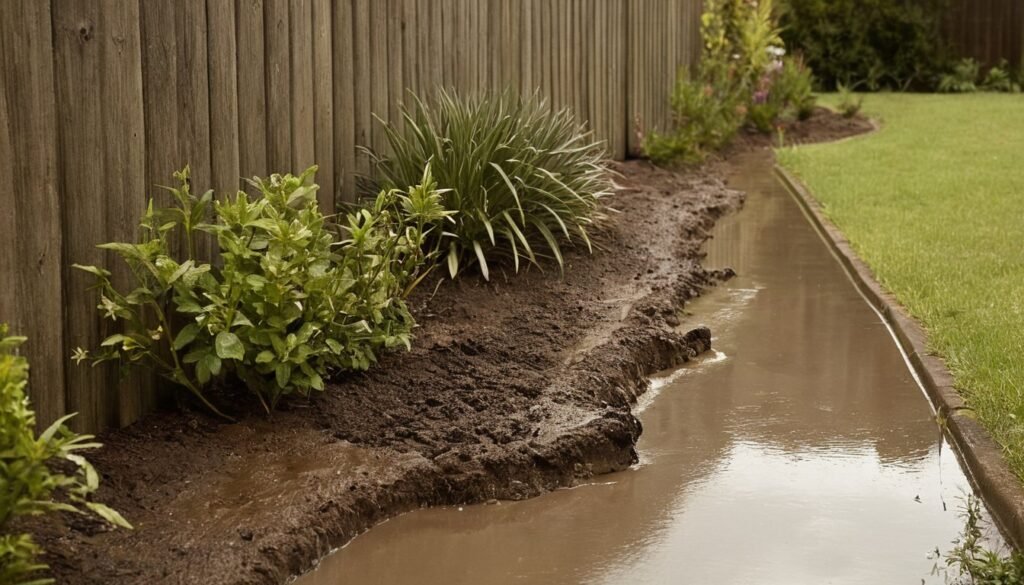
- Overwatering a cold bed in early spring.
Check your local frost dates and soil warmth before sowing, because they matter more than any calendar.

 By anastasnowla@gmail.com
No comment yet, add your voice below!