
Down south, tomatoes are the classic spring crop — plant after the last frost, harvest through summer. Follow that advice in Queensland and you’ll do everything right and still lose: plants that romp along until December, then split fruit, drop flowers in the heat, collapse with fungal problems in the wet, and hand what’s left to fruit fly. In Queensland, the tomato is an autumn and winter crop. Get the timing right and everything else about growing them gets easier.
The two windows
Window one: autumn (roughly February to April). Plant as the worst summer humidity breaks. Plants establish in warm soil, flower and set fruit through the mild, drier months, and produce across winter into spring in frost-free areas. This is the main event for coastal Queensland — pest pressure and disease drop exactly as your plants hit their productive stretch.
Window two: late winter (roughly August to early September). The second chance. Planted now, tomatoes fruit in late spring, mostly ahead of the December humidity wall and ahead of the worst fruit fly months. This window is tighter — every week of delay pushes fruiting deeper into trouble — so early August beats late September comfortably.
The window to refuse: October–November. It feels right, garden centres are full of seedlings, and it’s how southern calendars are written. But count forward: flowers and ripening fruit land in December–February, which is peak humidity, peak storm damage and peak Queensland fruit fly, all at once. Some years you get lucky. Most years the crop feeds the flies.
Inland and elevated gardeners with real frost should shift toward the southern pattern — later winter planting after frost risk, and autumn plantings that finish before it. Timing is climate, not postcode.
Why the timing matters this much
Three Queensland realities gang up on mistimed tomatoes:
- Fruit fly. Queensland fruit fly stings developing fruit and its larvae ruin it from inside. Pressure is lowest roughly May through September — cool nights limit breeding — and highest in the warm wet months. Fruit that ripens in winter largely escapes; fruit that ripens in January is a target. (Exclusion netting is the gold-standard defence for warm-month fruit, and it’s getting its own guide; the pest overview sits in the pest hub.)
- Heat and fruit set. Very hot spells interfere with pollination and fruit set — flowers simply drop. Cooler-season flowering avoids the problem instead of fighting it.
- Humidity and disease. Wet leaves in warm nights are exactly what fungal and bacterial problems want. The dry-season grower waters at the base in the morning and mostly opts out of that fight.
Growing them well inside the window
The unglamorous fundamentals do the rest. Full sun (winter sun especially — plant where north-facing light lasts all day). Deep, rich soil or a genuinely large pot. Stake or cage at planting time, not after they sprawl. Water deeply and consistently at the base — irregular watering is the main cause of split fruit and blossom-end problems. Feed when flowering starts. Pick from the first blush of colour and ripen fruit on the bench if anything is attacking ripe fruit outside.
Variety-wise, cherry and small-fruited types are the forgiving choice in Queensland: faster to fruit, less prone to splitting, and less attractive time-on-the-vine for pests. Grafted or vigorous hybrids earn their price in the autumn window; heirloom beefsteaks are a project for the confident.
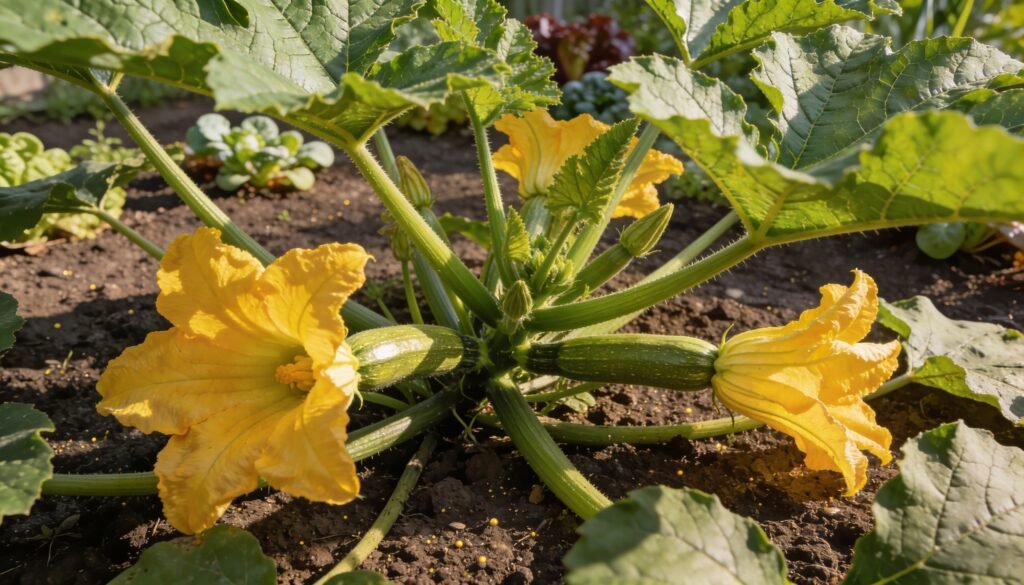
If your plants flower enthusiastically but fruit never follows — and it’s not scorching hot — you may be looking at a pollination issue rather than a timing one; the zucchini pollination guide explains the same mechanics that apply across the fruiting vegetables.
Plant by the calendar that matches this climate — the full month-by-month version is here — and Queensland becomes a genuinely great place to grow tomatoes. Just not in October.

 By anastasnowla@gmail.com
No comment yet, add your voice below!