
Give a hoya bright indirect light, water it thoroughly only after the mix has dried out, and grow it in a chunky, free-draining mix. Most hoyas that refuse to flower are short of light, and most that decline are sitting in mix that stays wet.
Just as important: do not cut off the short stalks that carry old flowers. The plant flowers from them again.
What is a hoya, and is there an Australian one?
Hoyas, often called wax plants or wax flowers, are climbing or trailing plants with thick, waxy leaves and clusters of star-shaped flowers. There are many species, and nurseries often sell them under the genus name alone.
Australia has its own: Hoya australis. The Noosa native plant listing describes it as a scrambling vine of rainforest and eucalypt forest in sandy areas, with thick waxy leaves up to 15 cm long. The Maroochy Bushland Botanic Garden notes it suits tropical and subtropical areas and grows in baskets, containers, on trellises or scrambling over rocks and logs.
Species differ in leaf shape, vigour and how much light they want. Check the tag, and treat the advice below as a sound starting point rather than a rule for every species.
How much light does a hoya need to flower?
Bright, indirect light. The Iowa State University Extension hoya guide says low light usually means leggy growth and few or no flowers, and the University of Florida IFAS names too little light as the main reason hoyas do not flower.
In practice (an editorial rule of thumb):
- A spot near a bright window, out of hot afternoon sun through glass, suits most indoor hoyas.
- East-facing windows are usually gentlest in Australia, since they give morning sun. North-facing windows are the brightest in the southern hemisphere and may need a sheer curtain in summer.
- Pale, scorched or bleached patches suggest too much direct sun. Long gaps between leaves suggest too little light.
For Hoya australis, the Noosa listing says it likes a protected position with some morning sun to promote flowering, and the Maroochy garden says it flowers best in sunny positions. Both fit the same idea: bright, but sheltered from harsh heat.
How often should you water a hoya?
Water by the state of the mix, not by the calendar. Iowa State’s approach is to water thoroughly so the whole root zone is moistened, then let the mix dry almost completely before watering again. UF/IFAS suggests letting the top third to half dry between waterings in spring to autumn, and watering sparingly in winter.
Check by pushing a finger or a skewer into the mix. If it feels damp deeper down, wait. Thick leaves store some water, so a hoya tolerates a late drink better than a soggy pot.
Timing depends on climate and season:
| Climate | What usually changes |
|---|---|
| Tropical and humid subtropical | Mix may stay damp longer in the wet season, so check before watering |
| Temperate | Noticeably slower drying in winter; water far less |
| Cool, highland and Tasmania | Slowest drying, and the plant may be close to dormant in winter |
| Arid and air-conditioned rooms | Faster drying; still check the mix before watering |
If leaves are going yellow, the cause is not always water. The guide to diagnosing yellowing indoor plant leaves covers the other common causes.
What potting mix and pot suit a hoya?
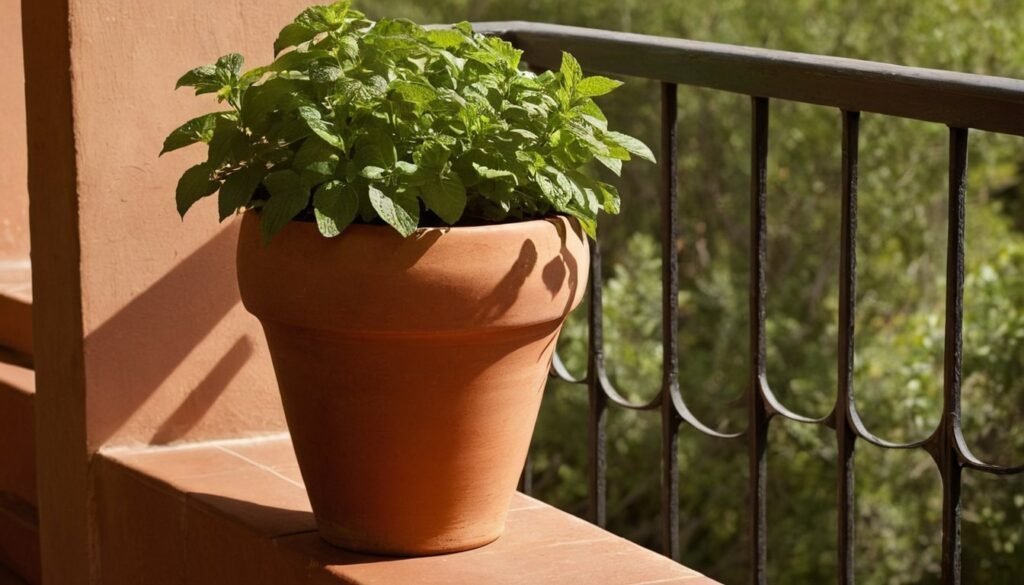
A chunky, airy, fast-draining mix. Iowa State suggests a blend of potting soil, orchid bark and perlite or pumice. Always use a pot with drainage holes, and tip out any water that collects in the saucer.
Hoyas flower better when slightly root-bound, so repot only when roots clearly fill the pot or the mix has broken down. This is common horticultural practice rather than something these sources test; UF/IFAS simply advises repotting only when necessary.
Feed lightly in spring and summer, using a general fertiliser at a reduced strength to the label, and skip it in winter, as Iowa State advises.
Why won’t my hoya flower, and what are the spurs?
Hoya flowers appear in rounded clusters, and each cluster grows from a short stalk called a peduncle, or spur. After the flowers fade, the spur stays on the plant. Iowa State notes that new blooms come from these persistent spurs and that cutting them off can delay flowering for a long time. UF/IFAS makes the same point about avoiding damage to the flower bases.
Work through these in order:
- Light. This is the most common limit. Move the plant brighter, gradually.
- Leave the spurs. Let spent flowers drop naturally and prune only stems, not spurs.
- Maturity. Young plants and fresh cuttings may need time before they flower. This varies by species, so be patient.
- Stability. Avoid unnecessary moving or repotting once buds form. This is a cautious editorial suggestion rather than something the sources above test.
Do hoyas need support, and how do you propagate them?
Many hoyas twine, and Iowa State notes they respond well to a trellis, hoop, stakes or moss pole, which can encourage fuller growth and more flowering sites. A hanging pot also works, and UF/IFAS suggests letting the long stems hang freely. Fix supports early, since long stems are awkward to untangle once they have wound around each other.
Stem cuttings are the most reliable method, according to Iowa State. Take a piece with one or two nodes (the joints where leaves meet the stem), remove the lowest leaves, and root it in water, moist sphagnum moss or a light mix. A leaf alone, with no node, will not grow into a vine.
Cuttings root easiest in warm weather, so spring and early summer suit most regions. If you want a pot to fill out sooner, root several cuttings together.
Can you grow hoyas outdoors in Australia?
In frost-free gardens, yes, if the position is sheltered. Hoya australis is a native of tropical and subtropical Australia, and the botanic garden describes it scrambling over rocks and logs or climbing a trellis. Give it well-drained soil, bright light with some morning sun, and protection from strong wind.
Cold is the main limit. UF/IFAS cautions against exposing hoyas to temperatures below about 7 degrees Celsius (45 degrees Fahrenheit). Neither Australian source lists a frost tolerance, so in temperate and cool regions keep hoyas in pots and bring them under cover before cold weather. Local conditions, such as a warm north-facing wall or an enclosed verandah, can change this, so test cautiously with a spare cutting before committing a prized plant.
What mistakes should you avoid?
- Watering on a fixed schedule and leaving the mix constantly wet.
- Using dense potting mix with no bark or perlite.
- Cutting off the old flower spurs while tidying.
- Judging success by growth alone. A leafy plant in dim light may never flower.
- Overpotting into a much larger container, which holds extra moisture.
If you are building a collection, the overview of choosing and caring for houseplants in Australia will help you plan light and placement across the house. For a similar easy trailing plant with different needs, compare how to look after devil’s ivy.

 By anastasnowla@gmail.com


No comment yet, add your voice below!