
Seaweed extract is best understood as a biostimulant, not a fertiliser. It contains very little nitrogen, phosphorus and potassium, and the evidence for benefits in ordinary home gardens is weak. Fish emulsion is different: it is a genuine, mainly nitrogen, liquid feed that leafy plants respond to.
Both can have a place, but neither fixes poor soil, dry roots or a sunless bed.
Is seaweed extract a fertiliser?
No. Gardening Australia describes soil tonics as additives that help soil and plants in some way, and says they are not fertilisers. The nutrients in a liquid seaweed product are small compared with a fertiliser with a stated analysis.
The reason people use it is the other compounds. Seaweeds contain plant hormones and other bioactive molecules, and products made from them are marketed as growth enhancers. A fertiliser feeds the plant. A biostimulant is claimed to change how the plant uses what it already has.
What does the evidence say about stress tolerance and roots?
It depends on who is growing the plants and where.
A peer-reviewed review of brown seaweed extracts reports that treatments improved root architecture in the laboratory model plant Arabidopsis, and describes benefits against salinity, drought and freezing stress. That is real research. But the same review notes that extracts are not all alike: composition varies with the extraction method and the season, and the active compounds are not yet fully understood.
Most of that work is on crops and lab plants, not mixed home gardens. A Washington State University Extension review looked at field studies on trees and shrubs. It reports no improved root growth, no better drought or salt protection than plain water, and some products doing worse than untreated plants. Its conclusion is that no product has demonstrated effectiveness in settings comparable to home gardens.
How to read that:
- Reasonably established: extracts are chemically active and can change plant responses under controlled conditions.
- Uncertain: whether the effect is large enough to notice in a backyard, in Australian soils and heat, with the products and dilutions you actually use.
- Not established: any claim that a tonic replaces watering, mulch or feeding. The WSU authors point to water and mulch as the two things new transplants most need.
The WSU sheet is US-based and about woody landscape plants, so treat it as a caution, not the last word on vegetables.
What does fish emulsion actually do?
Fish emulsion is mainly a nitrogen source. Oregon State University Extension lists typical products at 3 to 5 per cent nitrogen with low phosphorus and potassium, and notes that liquid organic fertilisers are more readily available to plants than solid ones. Colorado State quotes a higher figure, around 8-4-2. The mismatch is a useful reminder that analyses vary by product, so the label on yours is the number that counts.
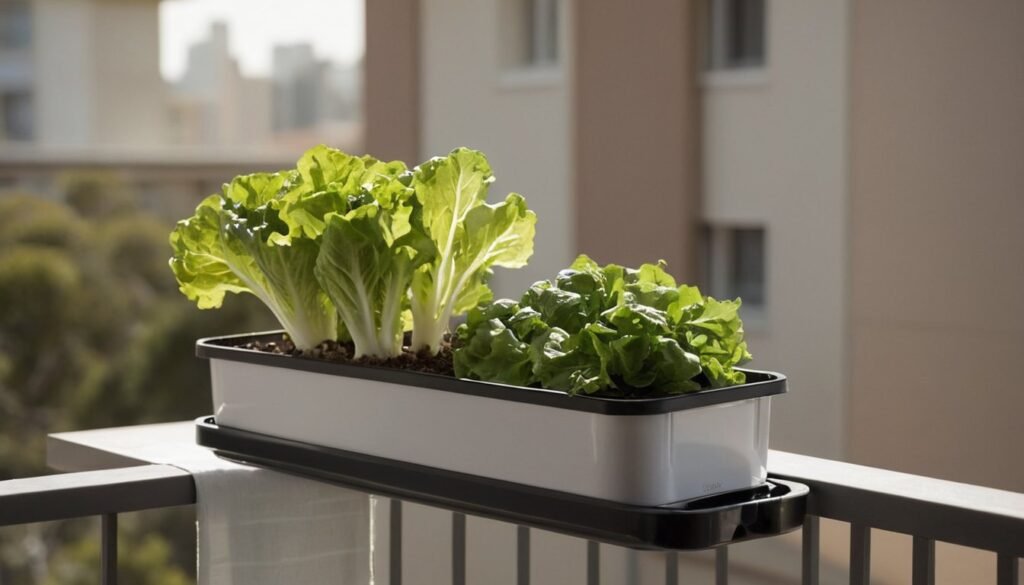
Nitrogen drives leaf growth. In an informal Gardening Australia lettuce comparison, fish emulsion produced the biggest plants, while seaweed extract gave modest growth in healthy-looking plants. That was a television demonstration with one small trial and no replication, so it illustrates the principle rather than proving it. The presenter also noted that nitrogen suits leafy crops more than root crops.
Fish emulsion has a downside. Oregon State warns it is salty and can injure plants if it is not diluted. Too much nitrogen gives soft, lush growth, which tends to attract sap-sucking insects.
When is a tonic worth using?
| Situation | Seaweed extract | Fish emulsion |
|---|---|---|
| Leafy vegetables or lawn that look pale and slow | Unlikely to fix it alone | Reasonable quick nitrogen feed |
| Newly transplanted seedlings | Low-cost “may help” option; no strong evidence | Dilute well, or wait until established |
| Heat or dry spells | Not a substitute for watering | Not a substitute for watering |
| Sandy soils and pots that leach nutrients | Little nutritional value | Useful as part of a regular feeding routine |
| Root crops, fruiting plants wanting flowers | Little to gain | Excess nitrogen can favour leaf over fruit |
Reasons to skip them: you have not mulched, the soil is hydrophobic or compacted, the bed is shaded, or plants are drought-stressed. Fix those first. The guide to watering and soil basics covers the foundations, and mulch choices and termite concerns covers the most reliable water-saving habit.
If you want a gentler organic boost, worm castings improve soil and add small amounts of nutrients without the smell.
Can you make a seaweed brew at home?
You can, but treat the result as an untested tonic with unknown strength.
First, check your local council and state rules about collecting seaweed from beaches before you take any. Rules vary by place, and beach wrack also supports shorelines and wildlife. The WSU review also raises the harvesting impact of wild kelp as an ethical issue. Some seaweed can also accumulate heavy metals, so do not collect from polluted or industrial shorelines.
If you have seaweed from a legitimate source:
- Rinse it in fresh water to wash off sand and some of the salt.
- Chop it and put it in a lidded bucket, covering it with water.
- Leave it in a shaded spot for a few weeks, stirring now and then. Expect it to smell.
- Strain out the solids. Compost them or use them as mulch under shrubs, not on seedlings.
- Dilute the liquid until it is a pale tea colour before using, and test it on a few plants first.
Homemade brews have no label, so strength varies between batches, and salt is the main risk. Rinse well, dilute generously and avoid applying in the heat of the day. There is no trustworthy dose to quote here.
How do you manage smell and storage?
Fish products smell strongly, especially in warm weather. The smell is worst when the liquid is first applied, then fades. Water it into the soil instead of leaving it on leaves, and avoid using it right before you entertain.
For storage:
- Keep commercial products tightly closed, out of the sun and out of reach of children and pets. Follow the label on shelf life and dilution.
- Do not store homemade brews in a sealed container. Fermentation can build gas pressure, so use a loose lid.
- Use diluted mixes within the day and do not save them.
- In Queensland and the tropics, heat accelerates fermentation and smell. Keep brews shaded and away from open windows.
What are the common mistakes?
- Treating a tonic as a complete fertiliser and skipping feeding altogether.
- Using it as a response to heat stress when the real fix is deeper, less frequent watering and mulch.
- Mixing stronger than the label because “natural” seems safe. Fish emulsion in particular can burn plants.
- Applying fish emulsion to fruiting or root crops and getting leaf rather than fruit.
- Expecting results within days. Biostimulant claims are about gradual, modest changes that are hard to measure in a home garden.
- Using unrinsed seaweed on pot plants where salt cannot flush through.
The short version
If a plant is hungry for nitrogen, fish emulsion, diluted as the label says, is a sensible liquid feed. If you enjoy seaweed extract and it is cheap, there is little risk in using it as the label directs, but do not expect measurable benefits and do not let it replace water, mulch or compost. When in doubt, test one bed with a tonic and one without, and judge by what you see.
Whatever you choose, get the basics right first.

 By anastasnowla@gmail.com


No comment yet, add your voice below!