
Earwigs are both. They eat aphids and insect eggs, but the introduced European earwig also chews seedlings, flowers and soft fruit. Whether you act depends on what you find on the plants, not on the mere sight of an earwig.
If your garden is mostly lawn, trees and established shrubs, you can usually leave them alone. If seedlings keep vanishing overnight, a few simple checks and traps will tell you quickly whether earwigs are involved.
Which earwigs live in Australian gardens?
The Australian Museum describes Australian earwigs as a mix of native and introduced species. Most native species are not significant pests, although some can become a nuisance when numbers are high. The introduced European earwig is the one the Museum calls a serious pest of gardens and vegetable crops.
Telling them apart by eye is difficult for most gardeners. Species differ in size and colour, and both sexes have pincers at the tail, with males usually more curved. If you need a firm identification, photograph the insect and ask your local museum, university or gardening group rather than guessing from the pincers alone.
A practical rule: judge earwigs by the damage they cause and the numbers you see, not by the label. One or two under a pot is normal. Dozens under every board is a sign of ideal shelter.
What damage do earwigs cause?
The University of California IPM guide lists the typical signs, and an Australian pest reference reports similar behaviour for the European earwig here. Look for:
- Seedlings: missing leaves or chewed stems, sometimes whole seedlings gone.
- Leaves: irregular holes and ragged edges, especially on leafy vegetables.
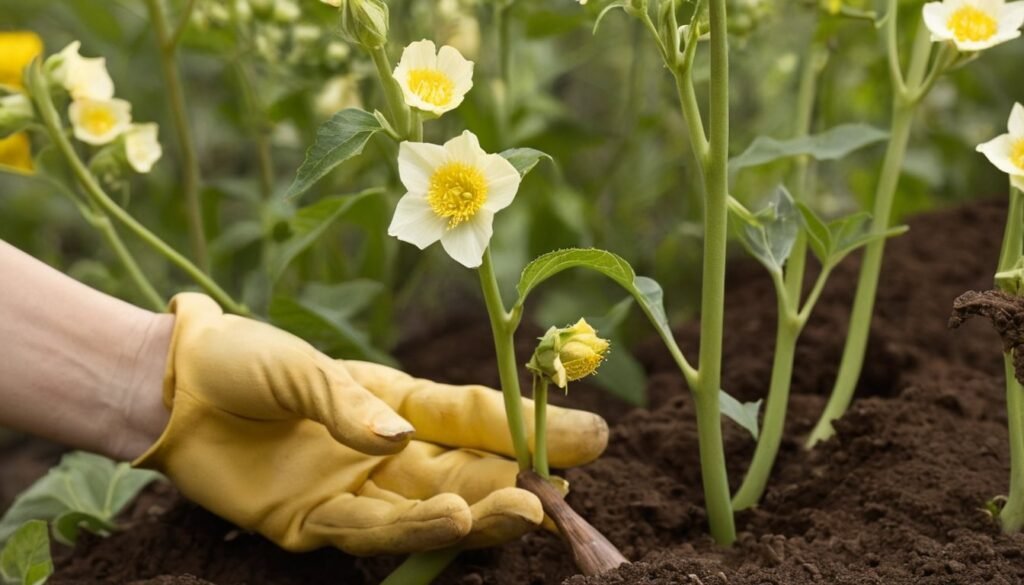
- Flowers: chewed petals and buds. Zinnias, marigolds and dahlias are named in the US guide.
- Soft fruit: shallow holes or gouges in fruit such as strawberries.
None of these signs is unique to earwigs. Caterpillars, slugs, snails, beetles and grasshoppers all leave holes. Slugs and snails leave slime trails, and caterpillars leave droppings or webbing. For a wider comparison, see the guide to diagnosing holes in leaves.
Fruit damage can also be mistaken for other problems. Earwig feeding is a surface chew, while splitting from uneven water has a different cause, covered in the guide to fruit splitting and cracking.
How do you confirm earwigs with a night check?
Earwigs hide by day and feed at night. The Australian Museum notes they are mostly nocturnal, and the pest reference describes them as most active after dark. That makes a night check the most reliable test.
- Wait until an hour or two after dark, when the plants have been damaged recently.
- Take a torch to the affected bed. Look at leaf undersides, flower heads and the soil surface.
- Note what is feeding. Earwigs run for cover when lit, so look quickly.
- Check for slime trails, droppings or caterpillars to rule out other culprits.
- Repeat on a second night if you find nothing. Activity varies with weather.
If you see no earwigs on damaged plants, they may not be the cause. Do not start trapping on a guess.
Are earwigs helpful?
Yes, in some situations. The UC IPM guide says earwigs eat aphids and insect eggs and can provide useful biological control. The Australian Museum records that the native Labidura truncata has been seen attacking codling moth larvae, so some species may help fruit growers.
That benefit is real but hard to measure in a backyard. If your plants carry aphids and no ragged holes, earwigs may be doing you a favour. If you have both aphids and chewed seedlings, you face a trade-off. Protect the vulnerable plants and leave the rest of the garden alone.
| What you see | Likely approach |
|---|---|
| A few earwigs, no damage | Leave them; they may be eating aphids |
| Seedlings or flowers chewed, earwigs seen at night | Trap and protect the seedlings |
| Holes but no earwigs at night | Look for another cause |
| Large numbers sheltering near the house | Reduce shelter and move traps away from walls |
How do you trap earwigs without chemicals?
A rolled-paper trap is cheap and gives you a way to measure numbers as well as reduce them. The UC IPM guide describes it, and the method suits Australian gardens.
- Roll up a few sheets of newspaper, or use a short length of corrugated cardboard.
- Lay the roll on the soil near affected plants just before dark.
- Early next morning, shake the roll over a bucket of soapy water.
- Repeat each day until catches fall away.
Count what you catch. A handful a night suggests a small population. Dozens every night suggests that shelter and food are plentiful nearby, so trapping alone will not finish the job.
Common mistakes are leaving traps out through the day so they become permanent homes, placing them far from the damaged plants, and giving up after one night.
Take care where you shake the traps. Do not release them back into the same bed.
How do you reduce hiding places and protect seedlings?
Earwigs favour dark, damp, confined spaces. The Australian Museum lists leaf litter, ground debris, bark and stones, and the pest reference adds spaces under debris and boards.
- Clear piles of leaves, loose boards, stacked pots and rubbish from beside vegetable and flower beds.
- Cut back dense groundcover and weeds that touch the bed edges.
- Keep mulch thin close to seedlings. UC IPM notes mulch can harbour earwigs, so pull it back a few centimetres from young stems until plants toughen.
- Water in the morning so the surface dries before dusk. This is a common-sense step, not a proven fix.
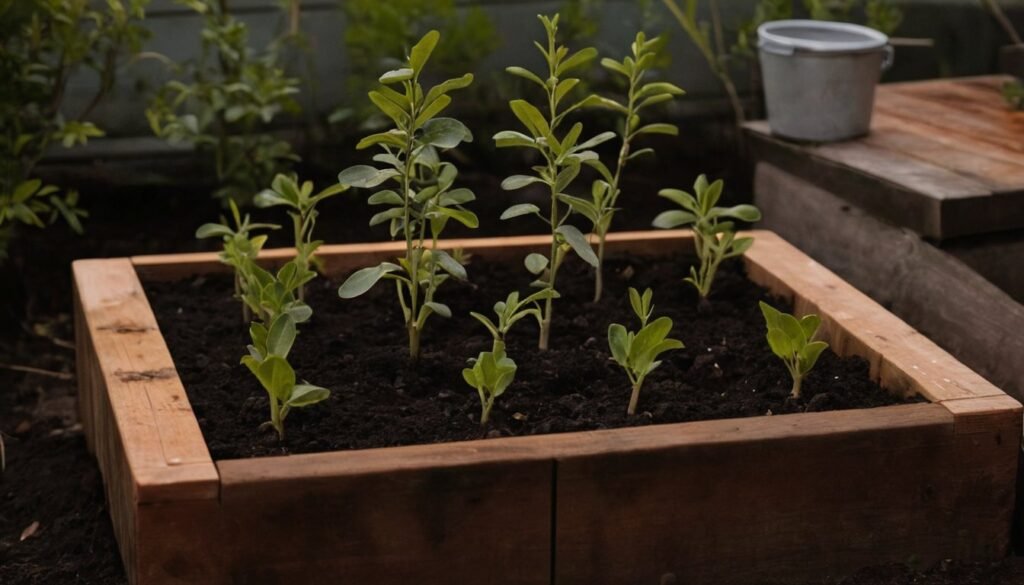
- Protect seedlings with a collar of cut plastic bottle or similar around each stem, or raise them in pots until they are sturdier.
- Pick soft fruit as soon as it ripens, so it does not sit as a food source.
Earwigs are attracted to lights at night and are known to enter buildings. Keep traps and cleared areas away from doors and windows, and sweep up any that wander indoors.
How does climate change what you do?
Earwigs are widespread across Australia, and the Australian Museum notes the greatest diversity of species in the tropics and subtropics. The sources I opened do not give a month-by-month calendar for Australian home gardens, so timing is a matter of watching your own plants.
- Tropical and subtropical areas (including Queensland): many native species are present, so damage is not automatically from the European earwig. Confirm at night first.
- Temperate areas: seedling beds in spring are the usual point of vulnerability, but check rather than assume.
- Cool climates and Tasmania: damp shelter is common, so clearing debris matters.
- Arid areas: gardens with irrigation create damp pockets that attract them.
What is established: they are nocturnal, shelter in damp places and chew soft plant tissue. What is uncertain: how much they reduce aphids in a typical backyard, and which species are in your garden. For the bigger picture of pests across Australian gardens, start with the overview of common garden pests.

 By anastasnowla@gmail.com

No comment yet, add your voice below!