
The three numbers on a fertiliser bag are the percentages, by weight, of nitrogen (N), phosphorus (P) and potassium (K) in the product. Reading them tells you what a product feeds, so you can match it to the plant instead of buying a general-purpose bag.
Feeding more does not mean growing better. Choose the product for the plant, check the soil first, and always follow the label for how much to use.
What do the three numbers on the bag mean?
Fertiliser labels list nitrogen, phosphorus and potassium in that fixed order. University of Florida extension describes them as the percentage by weight of each nutrient, and says the label also states whether a product is water soluble or controlled release.
Australian labels follow an N-P-K-S pattern that reports the elemental mass of each nutrient, with sulfur added, according to a general reference on fertiliser labelling. Some overseas labels use a different basis for phosphorus and potassium, so a 10-10-10 from another country is not directly comparable. Check which basis the pack states, and treat imported advice that quotes bare N-P-K figures with care.
Many products also list trace elements. A bag showing a low or zero figure in one position is deliberately lacking that nutrient. That matters most for phosphorus, covered below.
What do N, P and K actually do?
In plain terms, according to a general gardening reference:
| Nutrient | Main role | Typical sign of a shortage |
|---|---|---|
| Nitrogen (N) | Leafy growth and green colour | Pale or yellowing leaves |
| Phosphorus (P) | Roots, flowering and fruiting | Poor flowering |
| Potassium (K) | Sturdiness and stress tolerance | Weak growth |
Treat those symptoms as clues, not diagnoses. Yellow leaves can also come from waterlogging, soil problems, trace element issues or too much fertiliser, as the ACT Government’s fertiliser advice points out. A leafy crop such as lettuce and a flowering shrub have different needs, which is why the product choice matters.
Slow-release, soluble or organic: which type suits which job?
| Type | How it behaves | Things to weigh |
|---|---|---|
| Slow or controlled release | Coated pellets release nutrients evenly over many months (ACT Government) | Steady feeding, fewer applications, useful in pots |
| Soluble or liquid | Absorbed quickly and gives a fast response | Effects are short-lived and quick products carry a higher risk of burn and loss |
| Organic and composted | Broken down by soil life; lower numbers, slower response | Improves soil over time; not a licence to apply more |
Organic products are not automatically safe to overdo. They act slowly and tend to add fewer salts than synthetic products, but excess nutrients from any source can still be lost from the soil. Composted and pelletised organic products also help soil hold water and introduce microorganisms.
For liquid tonics made from seaweed or fish, see the guide to seaweed and fish tonics for the garden. Those are best thought of as supplements to healthy soil, not a replacement for it.
Why isn’t more fertiliser better?
Too much fertiliser causes three kinds of problem.
- Burn. Strong fertiliser can burn plants, as the ACT Government notes. Quick-acting synthetic products carry the highest risk.
- Leaching and run-off. Nutrients not taken up by roots can wash through the soil. Rain run-off carries fertiliser into drains and waterways, which adds nutrient pollution. Avoid fertilising just before or after heavy rain. In the subtropics, where intense downpours are common in summer, that window matters.
- Imbalance. Excess phosphorus can tie up micronutrients such as iron, according to NDSU Extension.
University of Florida extension gives the guiding principle: apply only as much fertiliser as plants need. This article gives no amounts on purpose. The right amount depends on the product, the plant, the pot size and the soil, and the label states it.
Which plants are sensitive to phosphorus?
Many Australian natives evolved on soils low in phosphorus, and some do badly on general-purpose fertilisers. The Australian Native Plants Society summarises a CSIRO trial of about 810 Australian species. About 82% showed no typical phosphorus toxicity symptoms. Species of Hakea, Dryandra and Banksia, along with some Acacia, were among the most sensitive, and a few were healthy only with no added phosphorus.
So it is not true that all natives hate phosphorus, and it is not true that none do. The trial found wide variation, even within one genus. If you do not know how a particular plant behaves, treat it as sensitive.
The practical points are:
- The ACT Government advises choosing a product with a phosphorus figure of 2% or less, often sold as “for natives”.
- Established natives need no fertiliser, and young plantings need only a very low-phosphorus product in spring.
- In pots, the trial’s authors suggest blends of zero and low-phosphorus controlled-release products for sensitive species, because even low-phosphorus products can release too much into a small volume of potting mix.
Eucalypts are the exception: most tolerate phosphorus well.
How do you match fertiliser to plant type?
Use these as starting points, then follow the label of the specific product.
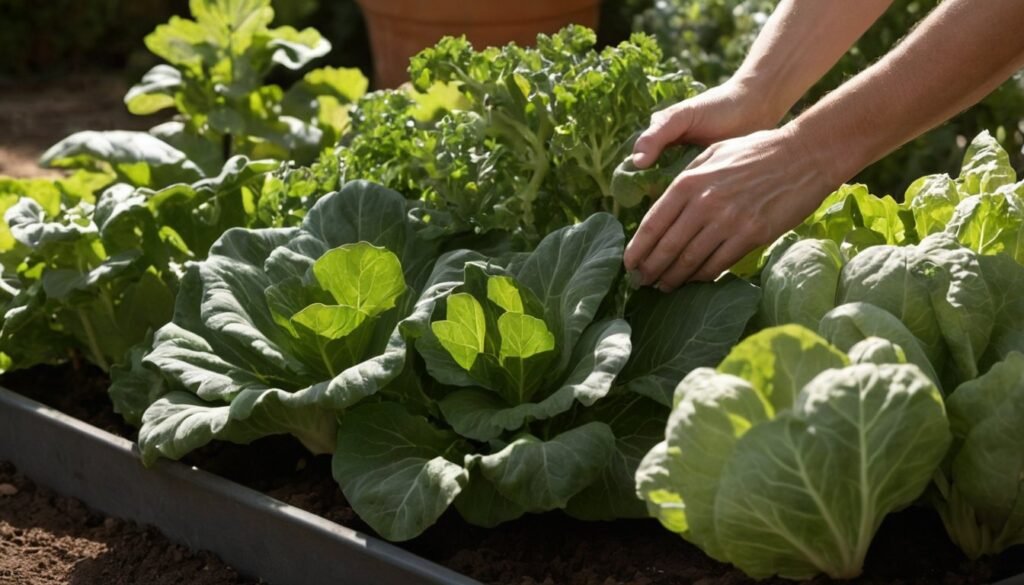
- Leafy vegetables and lawn: nitrogen-led feeding suits leafy growth. These are the plants most likely to show pale foliage from low nitrogen.
- Fruiting and flowering crops: they still need nitrogen, but a bag that also supplies phosphorus and potassium suits fruiting better than nitrogen alone.
- Sensitive natives: low or zero phosphorus, slow-release, and often nothing at all once established.
- Pots and containers: nutrients wash out with every watering, so a controlled-release product is often more practical than frequent soluble feeding. Drip and soaker systems change how much water, and therefore nutrient loss, a bed sees, so compare the two before you settle on a feeding routine.
- Soil-poor beds: build organic matter first. Good soil care, including compost and mulch, can reduce how much fertiliser you need.
Climate matters. Plants grow fastest and use nutrients quickest in warm, wet months, so the tropics and subtropics see rapid growth and rapid loss. Temperate and cool areas and highlands slow down in winter, when feeding often does little. Local conditions and the plant’s own growth habit are better guides than a fixed calendar.
Should you test the soil first?
Yes, when you can. NDSU Extension calls a soil test “the baseline you need before adding fertilizer”, compared to tasting soup before adding salt. A test can show excesses as well as shortages, which saves money and avoids loading soil with a nutrient it already has plenty of.
Sampling method, lab choice and the way results are reported differ between countries and labs. Use an Australian laboratory or a local nursery or council service, and read the lab’s own instructions. For the wider picture on soil structure, moisture and organic matter, start with the main guide to watering and soil.
Common mistakes to avoid
- Feeding out of habit rather than because the plant shows a need.
- Using a general-purpose fertiliser on phosphorus-sensitive natives.
- Assuming an organic label means you cannot overdo it.
- Fertilising a dry plant, or just before heavy rain.
- Treating yellow leaves as a hunger signal without checking drainage, watering and soil first.
- Quoting the numbers from an overseas guide without checking how the Australian label states them.
As a common precaution, water dry plants before feeding and water granular fertiliser in afterwards, and keep fertiliser off foliage unless the label says otherwise.
What is established and what depends on your garden?
Established: the three numbers are percentages by weight; N, P and K have broadly distinct roles; slow-release products feed over a longer period than soluble ones; and excess fertiliser can burn plants and wash into waterways.
Depends on your garden: which plants in your yard are phosphorus-sensitive, what your soil already contains, and how fast nutrients leave your soil in your local climate. For those, a soil test and the product label are the reliable guides.

 By anastasnowla@gmail.com
No comment yet, add your voice below!