
A mulberry is one of the easiest fruit trees to keep productive in a home garden, provided you control its size. Choose a grafted, compact or black-type tree, give it full sun and well-drained soil, and prune it every year. Mulberries fruit on new growth, so pruning is how you get both a smaller tree and more fruit.
The trade-offs are mess and birds. The fruit stains whatever it lands on, and wildlife will take what you leave unprotected.
Which mulberry should you grow?
Three species are common. White mulberry (Morus alba) and red mulberry (Morus rubra) become large trees. Black mulberry (Morus nigra) is usually smaller and more bush-like, which University of Florida IFAS suggests makes it a practical choice for home gardens.
| Type | Typical habit | Notes |
|---|---|---|
| Black mulberry | Smaller, bushy | Good starting point for a suburban block |
| Named grafted cultivars sold as dwarf or compact | Smaller if pruned | Check the nursery label for mature size and chilling needs |
| White or red mulberry | Large, spreading | Needs space or firm annual pruning |
| Weeping ornamentals | Small, pendulous | Often grown for shape; check whether the plant fruits at all |
A common Australian guide, Garden Clinic, gives a size range of 5 to 20 metres for unmanaged trees, and about 3 metres wide when well pruned. “Dwarf” is partly a label and partly your pruning habit. Ask the nursery for the specific cultivar name and its mature size, and avoid buying a seedling of unknown type.
Grafted trees matter. GrowVeg notes that grafted cultivars can bear in under half the time of seedlings, which may take many years. Most mulberries sold for fruit are self-fertile, so one tree is usually enough, but check the label.
Where will a mulberry grow in Australia?
Mulberries are deciduous and need some winter chill, so they do best in temperate, cool and many subtropical areas. They struggle in hot, humid tropics. Sources describe them as a tree for most places except the tropics, and low-chill selections are the safer choice for mild-winter coastal and subtropical gardens.
- Tropical north: treat as experimental. Ask local nurseries what actually fruits in your area.
- Subtropical (coastal Queensland, northern NSW): workable with a low-chill cultivar. Local advice beats general guides here.
- Temperate and cool areas, including Tasmania and highlands: well suited. Frost on new spring growth can reduce the crop in the coldest sites.
- Arid and semi-arid inland: possible with regular summer watering and shade for young trees from extreme heat.
Full sun and well-drained soil are the common recommendations. If you are planning the rest of the edible patch around the same conditions, the month-by-month sowing guide for warm areas covers what to grow in the beds around your tree.
How do you plant and water a young mulberry?
- Pick a spot in full sun with drainage, well away from paths, driveways and washing lines (see the staining section below).
- Plant a bare-rooted tree while dormant in winter, or a container tree in spring. Plant at the same depth as it grew in the pot.
- Water regularly through the first few years. Soak deeply rather than sprinkling.
- Mulch the root zone with an organic mulch, kept a hand’s width away from the trunk, to hold moisture.
Established trees become more drought tolerant. In dry spells during fruiting and new growth, extra water helps, but waterlogged soil does more harm than a dry spell. Local watering rules vary, so check with your council or water supplier about what applies.
When and how should you prune to control size?
This is the step most gardeners skip, and the reason many mulberries outgrow their yard. Sources differ on timing, so here is what is firmer and what depends on your climate.
Firm: mulberries fruit on new growth. A tree that is never pruned makes long, high branches carrying fruit out of reach. Pruning to a low framework keeps fruit at picking height. Large cuts on old wood heal slowly, so shape the tree early rather than late.
Climate-dependent:
- Garden Clinic recommends hard winter pruning to contain the tree, plus a light trim after the summer harvest.
- One experienced grower reports pruning straight after a crop, which pushes new fruiting wood and keeps vigorous trees smaller and easier to net. This is a single grower’s account, not a trial, and results will vary with your season length.
- In mild subtropical areas with little dormancy, a post-harvest prune followed by a rest may work better than a single winter prune.
A sensible approach for most gardens:
- Shape the young tree to a vase or open-centre form with a handful of main branches.
- After the main crop, cut back long, leafy shoots by roughly a third to a half, leaving fruit still ripening on lower branches.
- In winter (if your tree goes dormant), remove dead, crossing and weak growth, and reduce height.
- Cut to an outward-facing bud so the new growth spreads rather than crowds the centre.
Wear gloves and old clothes when pruning and picking.
Can you grow a mulberry in a pot?
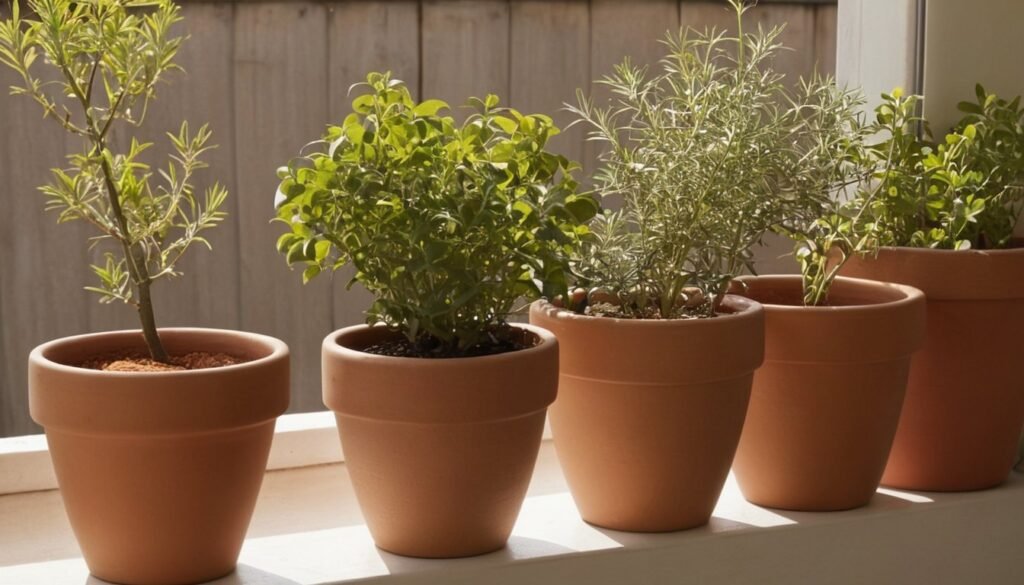
Yes, with limits. Grow Organic describes dwarf mulberries in large tubs with deep watering, and regular tip pruning. GrowVeg, by contrast, does not recommend long-term container growing. Both can be true: a pot suits a genuinely compact cultivar for several years if you accept the work.
- Use the largest, widest tub you can handle, with drainage holes.
- Water deeply when the top of the mix feels dry. Pots dry out fast in summer heat, so check often.
- Tip-prune through the growing season and refresh or root-prune every few years.
- Expect smaller crops than a ground-planted tree.
Herbs make good low-growing neighbours in nearby pots; the practical guide to growing basil well suits a sunny spot beside the tub.
Where should you plant it to avoid stains?
Fallen ripe fruit stains concrete, paving, cars, clothing and washing. Garden Clinic suggests gloves and old clothes when picking, and both UF/IFAS and GrowVeg advise keeping the tree away from paving, entries and parking.
Practical siting rules:
- Plant at least a few metres from paths, patios, driveways and carports.
- Keep it clear of clotheslines and pool surrounds.
- Put it over lawn or mulched beds, where fruit drop is easy to ignore or collect.
- Spread a sheet underneath and shake or pick daily in peak season.
How do you protect the fruit from birds?
Birds and possums will take ripe fruit, especially from tall trees. Keeping the tree low through pruning is your best defence, because it makes netting practical.
Use fine-mesh, wildlife-friendly netting and fit it before the berries colour. Keep it taut and supported on a frame or tied clear of the branches, so animals do not tangle in loose folds. Check it regularly. Accept that some fruit will go to wildlife; a large tree usually produces enough for everyone.
What mistakes do people make with mulberries?
- Buying an unnamed seedling that grows into a very large tree.
- Planting next to a path, car space or washing line.
- Never pruning, then facing a tall tree with fruit out of reach.
- Pruning very hard in the wrong season for their climate, which can cost a crop.
- Overwatering in heavy soil.
- Netting loosely or too late.
Mulberries are more forgiving than most fruit trees. If you enjoy the idea of a backyard fruit orchard, the guide to growing an avocado tree covers another long-lived tree where siting and size need thought before you plant.
For your local conditions, check with a regional nursery or your state agriculture department about which cultivars suit your area.

 By anastasnowla@gmail.com

No comment yet, add your voice below!