
Spring onions are the easy one: sow them in small batches, keep them moist and snip as needed. Leeks are slower, taking around four months from transplanting, and reward you with long white stems if you hill soil around them as they grow. Timing depends heavily on your climate zone, so treat the months below as a starting point.
When should you sow by climate zone?
Sources differ, and none gives a single national calendar. Use this table as a guide and check it against your local frost and heat patterns.
| Climate | Spring onions | Leeks |
|---|---|---|
| Tropical and subtropical | Sow year-round per Yates; heavy wet-season rain can rot seedlings | Cooler months (autumn to winter) are the safer choice |
| Warm temperate | Early spring to autumn | Autumn to winter |
| Cool temperate, Tasmania, highlands | Spring to early autumn, once soil has warmed; frost can kill spring onions | Autumn is commonly suggested; leeks tolerate frost |
| Arid and inland | No reliable guidance found; avoid the hottest months and keep seedlings moist | Cool months, with irrigation |
For leeks, Love the Garden says to plant in autumn or winter in all regions, and all year in Perth. Gardenate reports soil temperatures of about 8 to 30 degrees Celsius for leeks, and community notes include a Brisbane gardener planting seedlings in February. The arid row above is editorial: those zones are not covered by the sources I opened.
For a month-by-month view in warm regions, see the what-to-plant-when calendar for warm climates.
Is a spring onion the same as a shallot?
In Australia, often it is, in everyday speech. The names are used inconsistently across the country and between shops.
- The thin green onion sold in bunches is commonly called a spring onion, but also a green onion, shallot or eschalot, according to Yates.
- Botanically, the Australian-type spring onion has slightly enlarged bulbs, straight hollow leaves and a distinct white stem, and it does not produce offshoots, per the AUSVEG summary.
- A true shallot or eschalot, grown for its clustered bulbs, is a different crop. Some sources reverse the names by state, so I have not tried to give a state-by-state rule.
When buying seed or seedlings, read the plant description rather than the common name. Look for “bunching” or “spring” types if you want leaves, and “shallot” bulb types only if you want clusters of bulbs.
How do you sow and space spring onions?
- Choose a sunny, sheltered spot with loose, free-draining soil.
- Sow seed shallowly, about three times the seed’s diameter deep.
- Keep the soil moist, not soggy. Overwatering during germination can cause seed rot.
- Thin seedlings to roughly 5 cm apart with about 15 cm between rows (Yates).
- Sow a short row every few weeks for a steady supply.
Thinnings are edible, and Gardenate notes you can use them as spring onions. Harvest takes roughly 8 to 10 weeks for whole plants, or snip leaves from about three weeks and let the plant regrow.
Can you regrow spring onions from the roots?
Yes, with realistic expectations. Wash the root end, trim the leaves back, and plant the white base in soil with the roots down. New leaves usually appear within a few weeks, per Yates. Some gardeners stand the base in water first; this is community-reported rather than tested.
Regrown plants are a handy supplement, not a full crop. They rarely build thick stems, and they can rot if the soil stays wet or the base is damaged. Use plain water, change it often if you root them in a glass, and plant out once new roots appear.
How do you grow and blanch leeks?
Start seed in trays and transplant when seedlings are about 10 to 20 cm tall, usually after 4 to 6 weeks. Plant them 10 to 15 cm apart in trenches about 30 cm apart (Love the Garden; Gardenate gives 10 to 20 cm). They may look wobbly at first and generally straighten up.
Blanching gives the long, pale, tender stem:
- Trenching: plant into a trench and gradually fill it as the stems grow.
- Hilling: push soil up around the lower stem as the plant grows. Pile only the stem, not into the leaf fan, so soil does not lodge between the leaves.
- Mulching: if you do not care about pale stems, mulch instead and skip the blanching.
Keep soil consistently moist and feed regularly with a general vegetable fertiliser at label rates. Leeks are slow, so weeds and dry spells cost you time.
Silverbeet makes a good neighbour for succession planting through the cool season; see the silverbeet growing guide.
How should you water and feed them?
Both crops have shallow, modest root systems, so they dry out faster than many gardeners expect. Aim for evenly moist soil rather than a cycle of drought and flood. A thin layer of mulch between rows helps hold moisture and suppress weeds, but keep it clear of the stems.
In hot, windy weather, check the top few centimetres of soil daily. In cool, wet weather, ease off and make sure water can drain away. Enrich the bed with compost before planting, and add fertiliser lightly and at label rates rather than heavily. Leeks sit in the ground much longer than spring onions, so they benefit most from steady feeding.
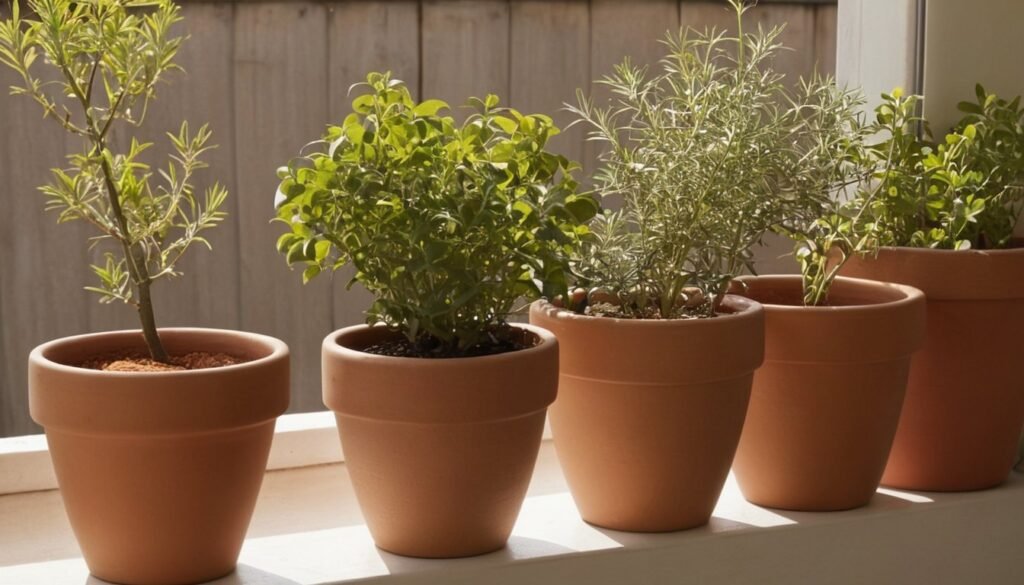
Containers work well for spring onions. Use a pot with drainage holes and fresh potting mix, and expect to water more often than in the ground.
What problems should you watch for?
Thrips. Look for silvery-white patches or streaks on the leaves, especially in warm, dry weather. The Pacific Pests fact sheet describes this as thrips sucking cell contents, leaving air spaces that shine silver, and says it is a common symptom on leeks and onions. Non-chemical steps it lists:
- Rotate: avoid planting alliums where they grew the previous season.
- Remove weeds, volunteer onions and crop debris, which can shelter thrips.
- Mulch to hold moisture and suppress weeds.
- Inspect bought seedlings and discard infested ones.
That sheet comes from a Pacific project, so for any chemical step check the product label and your state agriculture department.
Rust. Orange-brown powdery spots on leaves suggest rust. Space plants, avoid wetting the foliage late in the day, and remove badly affected leaves, as Love the Garden advises. Bin affected leaves rather than composting them, which is a precaution rather than a sourced rule.
Common mistakes:
- Sowing leeks in the hottest months in warm zones.
- Burying the growing point when hilling.
- Planting spring onions too thickly and never thinning.
- Letting seedlings dry out, since the root system is small.
When and how do you harvest?
Snip spring onion leaves as needed, or pull whole plants once the white stem is firm. Winter frost can kill them in colder areas.
Baby leeks can be pulled at about pencil thickness. For full size, allow around four months from transplanting. Loosen the soil with a fork, then lift gently so you do not damage neighbours.
If you are just starting out, the easy vegetables for beginners list shows what pairs well with these two crops.

 By anastasnowla@gmail.com


No comment yet, add your voice below!