
Native frangipani (Hymenosporum flavum) is an evergreen Australian rainforest tree with sweetly scented yellow flowers. It is a slender, upright tree in gardens, which is why it suits smaller blocks better than most trees. Give it a sunny, well-drained spot with enriched soil, and keep the water up while it establishes.
Despite the name, it is not a tropical frangipani. Check your climate, though: it is happiest in the warmer, milder parts of the east coast.
Is native frangipani related to the tropical frangipani?
No. The tropical frangipani (Plumeria) is an introduced plant. Native frangipani belongs to the family Pittosporaceae and is the only species in its genus, according to the Australian Native Plants Society, which describes it as related to Pittosporum. The Mount Annan botanic garden listing gives the same family.
The shared common name comes from the scent. Australian Geographic notes the two have few similarities beyond fragrance. The native flowers are smaller, held in clusters, and the tree is evergreen rather than leafless for months. If you want the fleshy, thick-stemmed tropical type, see our advice on looking after Plumeria-type trees instead.
How big does it get, and will it suit a small garden?
Size depends heavily on where it grows. In tropical rainforest it can reach 25 m or more, while the Society says it is usually a slender, upright tree up to about 10 m in cultivation. Australian Geographic gives 5 to 8 m in gardens. Treat these as ranges, not promises: soil, shelter and pruning all change the result.
| Situation | What sources describe |
|---|---|
| Wild, tropical rainforest | Up to about 25 m |
| Typical home garden | Roughly 5 to 10 m, slender and upright |
| Compact cultivar ‘Gold Nugget’ | About 1 m high and wide |
The narrow crown is the main advantage for small gardens. Branches are sparse and spread in whorls from the trunk, so it casts lighter shade than a dense canopy tree. Still allow for a mature height of several metres, and keep it away from eaves, overhead wires and drains.
For a very small space, the dwarf ‘Gold Nugget’ is an option. The Society says it responds well to pruning and makes a low hedge. Cultivars must be grown from cuttings, because seedlings may not match the parent.
When does it flower, and how strong is the scent?
The Society records flowering from early spring into early summer. The tubular flowers are about 3 to 4 cm across, open cream and darken to deep yellow before falling. The Australian Plants Society resource describes them as highly perfumed, mostly at night, so plant it near a path, deck or bedroom window where the evening fragrance can drift in.
Scent strength varies with temperature and the individual tree, so treat it as a pleasant bonus rather than a guaranteed feature. Seedlings may also differ from one another in flower form.
What sun, soil and climate does it need?
Sun. The Society says it flowers best in an open, sunny position but can be grown in shade. Expect fewer flowers in heavy shade.
Soil. It tolerates a wide range of soils, but the Australian Plants Society resource says “enriched and well-drained is best”, reflecting the fertile rainforest soils it grows in naturally. Dig in mature compost before planting in poor sand, and fix drainage problems first.
Climate. It is native from around the Hunter River in New South Wales to Atherton in Queensland, and also occurs in New Guinea. Roughly, by zone:
- Tropical north Queensland: within its natural range, so expect the tallest growth.
- Subtropical (south-east Queensland, northern NSW): well suited, and the easiest place to grow it.
- Temperate coast: established plants tolerate at least moderate frost, per the Society, so many southern gardens are workable. Local microclimate matters.
- Cool highlands and tablelands: reports are mixed. One grower in the Australian Plants Society resource says it struggled in a cold garden near Armidale but did well in a sheltered shrubbery. Plant it among other shrubs or a windbreak, and treat success as uncertain.
- Arid and inland: not natural habitat. The Society says it grows well in dry climates if extra water is available, but expect it to need regular watering.
Check what grows in your own street before committing. That is better evidence than any range map.
How do you plant and water a young tree?
The sources do not give a watering schedule, so this is general practice rather than a measured rule.
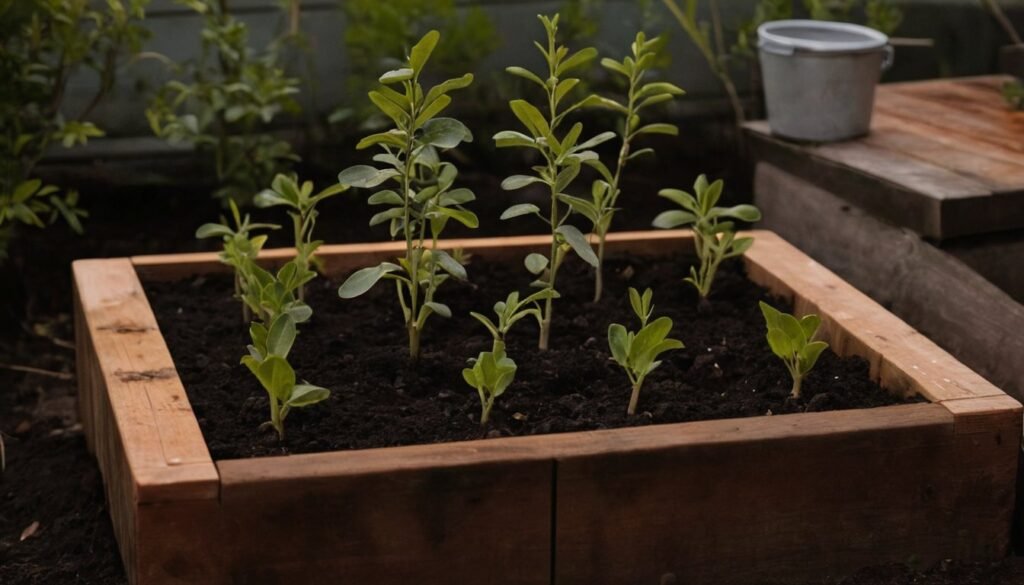
- Choose a spot with sun for most of the day, sheltered from strong wind.
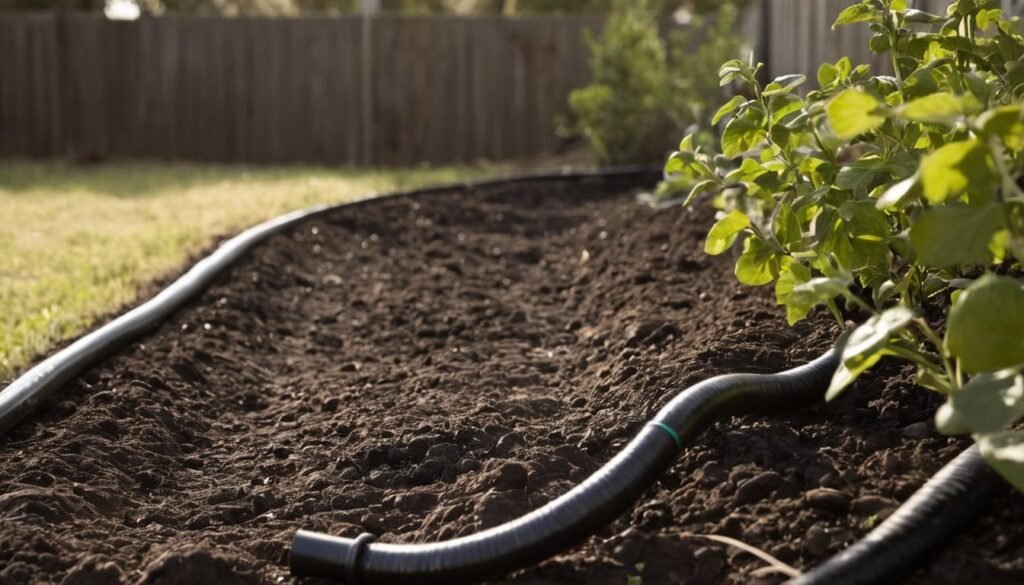
- Prepare the soil with compost if it is lean, and make sure water drains away.
- Plant at the same depth it grew in the pot.
- Mulch around the base, keeping mulch clear of the trunk.
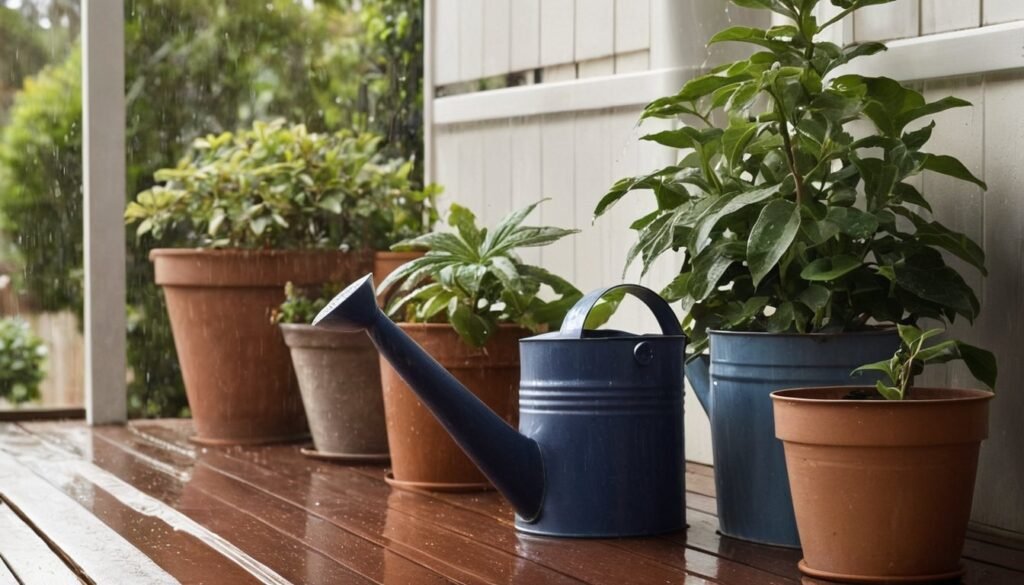
- Water deeply and regularly through the first year, especially in dry spells or hot weather, and ease off as the roots spread.
Deep, less frequent watering encourages roots to go down. Shallow daily sprinkling does not. Because its natural habitat is wet forest, a young tree can sulk if left to dry out repeatedly.
Spring is a sensible planting time in most areas, so roots can establish before summer heat. The Society’s profile gives no planting date, so adjust for your local conditions. Fertilise lightly if at all, using a slow-release product made for natives, at label rates. Strong feeding is not suggested in the sources.
When and how should you prune it?
The Australian Plants Society resource says it “should be pruned after every flowering to create a much denser foliage”, and it can be cut back hard. Early, frequent pruning keeps plants smaller and denser.
Flowering runs from early spring into early summer, so prune soon after the last flowers fade. Pruning at other times risks losing the next season’s blooms, though the sources do not say so directly.
- Remove dead, crossing or damaged branches first.
- Shorten rather than strip: keep the tree’s natural upright shape.
- Start while the tree is young, rather than trying to shrink a tall one later.
What wildlife does it support?
Australian Geographic says the flowers provide nectar for birds and insects, unlike introduced frangipanis, which offer scent but no nectar. Its source lists birds and insects but does not name individual species, so avoid promising particular visitors.
Seed capsules hold winged, papery seeds. Do not assume any bird will eat them, as the sources do not say. For a layered habitat garden, combine it with understorey plants. Our piece on native grasses for home gardens covers the lower layer.
Common mistakes to avoid
- Expecting the tropical frangipani’s look or care. It is a different plant with different needs.
- Planting in heavy shade. It survives, but flowering suffers.
- Ignoring drainage. Enriched soil helps, but waterlogging does not.
- Letting a young tree dry out. Consistent early watering matters.
- Skipping pruning. Without it, the tree may be sparse and leggy.
- Assuming cold-climate success. Sheltered sites are a safer bet than exposed ones.
If you are still weighing this tree against other options, the guide to choosing plants for Australian gardens shows how to match any plant to your conditions before you buy.

 By anastasnowla@gmail.com


No comment yet, add your voice below!