
“Self-watering” is the most over-promising label in the garden aisle — the pot does not water itself; you just water it less often, into a tank. Understood that way, self-watering pots are genuinely useful for specific situations, mediocre for others, and occasionally counterproductive. Here’s the mechanism, the honest use-cases, and the failure modes nobody prints on the box.
How they actually work
A self-watering pot is two chambers: a water reservoir at the base and a soil zone above it, connected by a wicking path — a column of potting mix, fabric wicks, or a perforated shelf. Capillary action draws moisture upward as the soil dries, so the root zone sits at a fairly steady moisture level while the reservoir gradually empties through a fill tube you top up. An overflow hole sets the maximum water level so rain can’t drown the soil column — at least, in well-designed pots; its absence is the first thing to check before buying.
The result: instead of daily surface watering, you refill a tank every few days to a couple of weeks depending on plant, pot and season. The moisture consistency — not just the interval — is the real benefit, which is exactly what some plants love and others hate.
Where they genuinely earn their money
- Thirsty, moisture-loving crops in warm weather: leafy greens, herbs like basil and mint, cherry tomatoes (with a big enough unit — size still rules). Consistent moisture is also a practical hedge against the splitting and blossom-end troubles that irregular watering causes in tomatoes.
- Holiday and busy-life resilience: the flagship use-case. A filled reservoir buying you a week away is the difference between coming home to a garden and coming home to standing brown reminders.
- Hot exposed balconies where small pots need daily water — a reservoir smooths the brutal swings (the balcony microclimate problem); vertical-garden pockets, the smallest cells of all, are the extreme case.
- Heavy pots you’d rather not move to water and awkward corners a hose doesn’t reach.
Where they fail (the part the box omits)
- Mosquitoes. A water reservoir with open access is a nursery. In Australia this isn’t a nitpick — check that fill tube and overflow are screened or baffled, or screen them yourself; a pot that breeds mozzies gets vetoed by the household fast.
- Plants that want dry feet. Succulents, rosemary and the Mediterranean herbs, and anything rot-prone dislike constant moisture — conventional pots suit them better. A wicking pot full of lavender is a slow execution.
- Salt build-up. Because water only ever moves up, fertiliser salts aren’t flushed as in a normal pot and can accumulate over months (white crust, tired plants). The fix is simple and needed: periodically water heavily from the top so it flushes through, and refresh mix annually.
- Cool, wet spells — the reservoir keeps wicking when nothing’s transpiring; in a subtropical wet week the soil column can sit soggier than ideal. Good overflow design mitigates; the check-the-soil habit from the watering guide still applies, tank or no tank.
- Cheap units without overflow holes turn the first storm into a bathtub. Non-negotiable feature.
Worth it?
As a targeted tool: yes — for greens, herbs, tomatoes, hot balconies and anyone who travels. As a whole-garden philosophy: no — mixed collections still want mixed watering, and the reservoir never repeals the pot-size rules or the seasonal calendar. Buy on mechanism (screened openings, real overflow, honest reservoir volume) rather than marketing adjectives, and the self-watering pot settles into what it really is: a very good moisture buffer with a filling schedule.
Related: Hanging Baskets That Survive Australian Heat.
Related: Tap Timers: Set-and-Forget Watering That Respects the Rules.

 By anastasnowla@gmail.com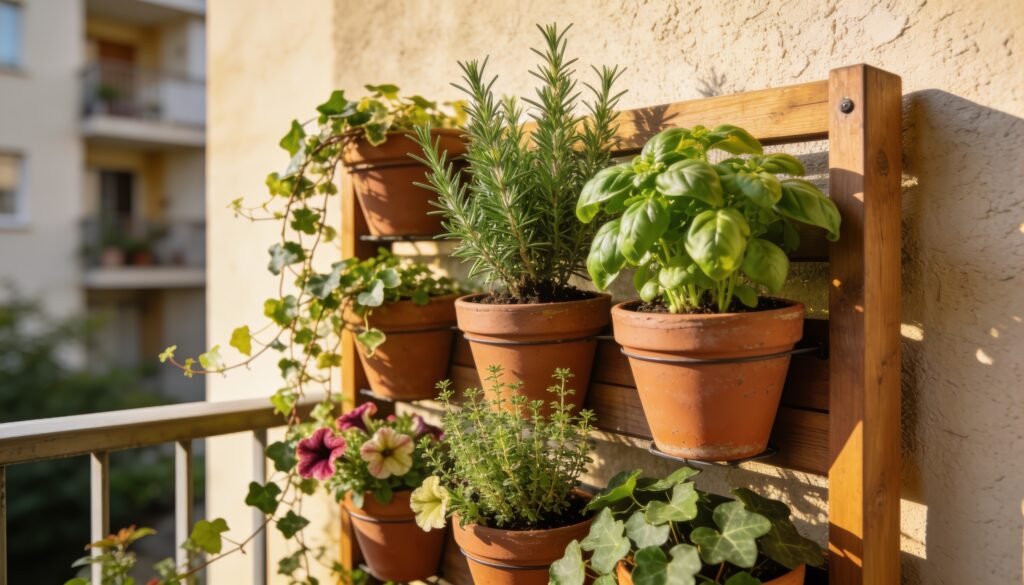
1 Comment
[…] Related: Self-Watering Pots: How They Work, When They’re Worth It, When They Fail. […]