
A waratah (Telopea) can be grown at home if you give it three things: very free-draining, slightly acidic soil, light feeding with no phosphorus excess, and bright light with some protection from hot afternoon sun. The Australian National Botanic Gardens (ANBG) is blunt that it “has not proven easy to cultivate under normal garden conditions”, so site choice matters more than effort.
Prune hard straight after flowering, mulch, and water steadily without letting the root zone sit wet.
Which waratah species and cultivars are there?
The ANBG Telopea page lists five species: the NSW waratah (T. speciosissima), New England waratah (T. aspera), Monga waratah (T. mongaensis), Victorian waratah (T. oreades) and Tasmanian waratah (T. truncata). It describes T. mongaensis as the easiest species to establish in cultivation.
Named cultivars such as ‘Braidwood Brilliant’, ‘Coroboree’, ‘Erinundra White’, ‘Sunburst’ and ‘Wirrimbirra White’ are also listed. The ANBG says some are colour forms and others are hybrids, but it does not say which is which. It also notes that cultivars must be grown from cuttings to keep their form, so buy a named plant rather than sowing seed from it.
Look for a plant at least 15 cm tall with a lignotuber, the swelling at the stem base that lets a waratah regrow after cutting back. Only buy from nurseries.
What soil does a waratah need?
Drainage is the first requirement. The ANBG’s stamp page says “excellent drainage essential”. The ANBG species page adds that roots should neither dry out nor stay waterlogged.
One nursery source, Proteaflora, gives sandy or sandy loam soil with a pH of 5.5 to 6.5 as ideal and suggests raised beds where drainage is poor. That is nursery guidance rather than independent trial data, but it matches the botanic garden emphasis on drainage.
Practical steps:
- Test drainage by filling a planting hole with water and seeing how long it takes to empty. If water is still standing after many hours, build a raised mound or bed instead.
- Enrich the soil with leaf compost, as the ANBG suggests, and avoid digging a hole of imported soil in heavy clay. The ANBG warns water can pool in it and kill the plant.
- Plant at the same depth as the pot.
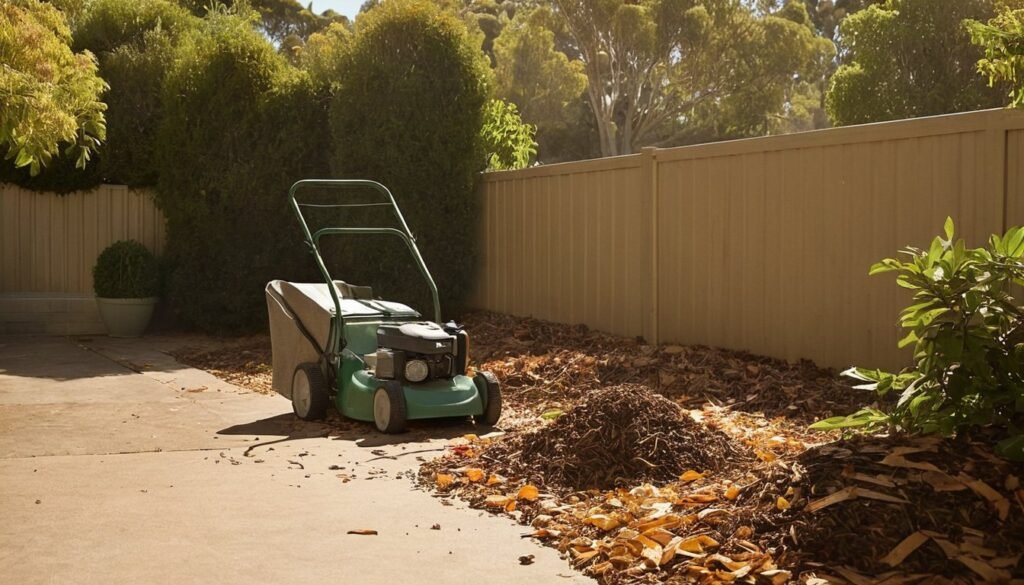
- Mulch 5 to 8 cm deep with bark or leaf litter, keeping it slightly clear of the stems.
How do you feed a waratah without harming it?
Waratahs belong to the Proteaceae, the family that also includes banksias and grevilleas, which are generally sensitive to excess phosphorus. The ANBG recommends one spring feed of a slow-release, low-phosphorus fertiliser. Proteaflora says to feed lightly in spring and autumn with a low-phosphorus native fertiliser.
Use a product labelled for native plants and follow the label rate. Do not use a general garden fertiliser, poultry manure or a “flower booster” on a waratah. Our banksia guide covers the same feeding logic for another Proteaceae plant.
How much sun does it want?
Sources differ, and this is where local conditions decide. The ANBG species page says it prefers partial shade and does poorly in heavy shade or full direct sun, noting that sun can brown the bracts. The ANBG stamp page says “full sun or a little shade”. The nursery source says full sun with afternoon shade in very hot climates.
A sensible middle path is bright light in the morning, shade or filtered light from hot afternoon sun, and good air movement. In a cooler, milder garden you can usually allow more sun than in a hot one.
When and how do you prune?
Prune immediately after flowering. The ANBG species page says cultivated waratahs “require heavy pruning once established” and describes removing about three-quarters of the plant, relying on the lignotuber to regrow. The Telopea page is more conservative, suggesting cutting canes back by at least half. Pruning also gives you cut flowers.
For a young plant, take less. Remove spent flower heads and shorten stems to just above a healthy leaf node. Skip hard cutting until the plant is established.
Leave seed heads on if you want the fruits, which the ANBG describes as attractive.
Will it grow in your climate?
This is the least certain part. The species are named after temperate regions, and the nursery source says waratahs are adapted to temperate climates with moderate rainfall. No zone-by-zone trial results were found, so treat the table as cautious guidance.
| Climate | What to expect |
|---|---|
| Temperate (Sydney basin, southern coast, ranges) | Best-matched conditions; still needs drainage |
| Cool and highlands | Often suitable; one nursery source lists light frost tolerance once established |
| Subtropical (including south-east Queensland) | Uncertain; humid summers and wet soils are the risk, so ask a local native nursery |
| Tropical and arid | No published local guidance found |
The guide to choosing plants for Australian gardens explains how to match a plant to your climate before buying.
How should you water a waratah?
The ANBG says waratahs need regular watering, and Proteaflora advises regular watering in the first year, then deep watering in dry spells once established. Deep, less frequent watering encourages deeper roots than a daily sprinkle.
Check the soil with a finger rather than a calendar. If the top few centimetres under the mulch are dry in a hot spell, water slowly and deeply. If the soil is still wet, wait. The aim is evenly moist but never boggy, which is why drainage and mulch do most of the work.
Good air circulation, which the ANBG also recommends, helps foliage dry after rain. Avoid crowding the plant against a fence or dense shrubs.
What can you expect in the first few years?
A new waratah is a slow starter. Put the plant in its permanent position early, because moving an established shrub is a risk you do not need. Keep weeds back by hand and keep the mulch topped up.
Do not expect flowers straight away. Cutting-grown plants may flower in about two years, seed-grown plants in about five, according to the ANBG. Once flowering starts, treat the post-flower prune as part of the yearly routine rather than a rescue job.
Can you grow a waratah in a pot?
The nursery source describes waratahs as suitable for large pots. Use a large container with big drainage holes and a free-draining mix suited to natives, because a waratah must drain freely and water regularly. Keep it out of a saucer of standing water and keep it shaded from hot afternoon sun, since pots heat up.
Expect about 3 m by 1.5 m for some selections in the ground; a container will limit this.
What are the common mistakes?
- Planting in heavy clay or a pocket of imported soil.
- Fertilising with a general product or applying too much.
- Letting the root zone dry out, or keeping it wet.
- Waiting for fast flowers: the ANBG says seedlings take around five years and cuttings about two.
- Skipping the post-flower prune.
If you want another flowering Australian native to compare, see this guide to the boronia. Check with a local native nursery before buying, as a plant suited to your block is always better than one chosen for its flower alone.

 By anastasnowla@gmail.com

No comment yet, add your voice below!