
Alyogyne is a small group of Australian shrubs with large, hibiscus-like flowers. They suit sunny positions with free-draining soil and handle dry spells well. They are less reliable where summers are humid and soil stays wet.
The usual garden species is Alyogyne huegelii, often sold as lilac hibiscus or blue hibiscus. Pick the spot first (sun, drainage, air flow), then prune to keep it bushy.
What is Alyogyne, and how does it differ from ordinary hibiscus?
Alyogyne was once placed in Hibiscus, and the Australian National Botanic Gardens notes that A. huegelii is still often sold under the old name Hibiscus huegelii. It is native to southern Australia, so its habits differ from tropical hibiscus.
The ANBG growing notes describe A. huegelii as a fast-growing, medium-sized shrub reaching about 2.5 m, found naturally on sandy to sandy-gravel soils in South Australia and Western Australia. The care needs of the better-known garden hibiscus are covered separately in our guide to caring for hibiscus; do not assume the two are interchangeable.
Which native hibiscus species and forms are worth knowing?
| Plant | Reported size | Flowers | What the sources say |
|---|---|---|---|
| Alyogyne huegelii | About 2 to 2.5 m high and wide | Lilac to purple; also blue, pink, white forms | Needs good drainage; prune to keep tidy |
| Alyogyne hakeifolia | About 3 m | Mauve, yellow and pink forms; needle-like foliage | Well-drained sunny spot; mild frost tolerance |
| Compact cultivars such as ‘Misty’ (grower description) | About 1.5 m | Pale mauve | Grower advises full sun and a mounded bed in humidity |
Sizes vary between sources and between cultivars, so check the label on the exact plant. Nursery tags describe a named cultivar; the botanic and society pages describe the species.
How much drainage and sun does it need?
Drainage is the central requirement. The Australian Native Plants Society profile says A. huegelii succeeds in a range of soils provided drainage is good, and ANBG calls it intolerant of bad drainage. ANBG also reports its best plants in mulched, fairly heavy soil that still drained reasonably well, so clay is not automatically a no-go if water does not sit.
Practical steps:
- Fill a planting hole with water. If it is still holding water after several hours, choose another spot or build a mound.
- Plant in an open position with sun for most of the day, ideally with some wind shelter from other plants, as ANBG describes.
- Mulch lightly and keep mulch off the stem.
- Water deeply while the plant establishes, then let the top soil dry between waterings.
Frost: ANBG says plants need some protection from the hardest frosts, while the ANPSA profile for A. hakeifolia says it tolerates mild frosts. In frost-prone cool or highland gardens, a sheltered north-facing spot is the safer choice.
Does it cope with humidity and wet summers?
This is the uncertain part. The botanic and society sources focus on drainage rather than humidity, and ANPSA says A. huegelii can be grown in temperate and subtropical areas. Humid-climate evidence comes mainly from growers, so treat it as guidance rather than a guarantee.
One grower, Gardening with Angus, advises full sun, a mounded bed and good air flow for ‘Misty’ in high humidity, and says A. hakeifolia resents too much humidity. In practice:
- Tropical and humid subtropical coast: expect more risk. Mound the soil, space plants widely and avoid shaded, still corners. A pot with a gritty mix is a sensible trial.
- Dry inland and temperate gardens: the best fit, provided drainage is sound.
- Cool and highland areas: frost and winter wet matter more than summer humidity.
If you garden in a muggy climate and want a comparison, our lavender in humid climates guide covers the same logic of sun, air flow and sharp drainage.
How do you prune it to stay bushy?
Left alone, the shrub gets leggy. ANBG says unpruned plants become sparse on the lower limbs and recommends pruning hard after the main spring flowering flush. It adds that the plant can send up vigorous new shoots from old wood, so it can be kept small. ANPSA says it is fast growing and tends to an untidy habit unless pruned annually.
A simple routine:
- Young plants: pinch or snip the growing tips a few times in the first season to encourage side branches. This is common practice rather than a sourced rule.
- After the main flush: cut back the stems to keep the shape compact, as ANBG advises, leaving leafy growth on each stem.
- Between flushes: remove dead or crossing wood and shape lightly.
Prune after flowering, not before, or you remove the next flowers. Take care with very old, bare stems; cut back in stages if unsure.
Why are the flowers so short-lived, and is that a problem?
Each bloom is brief. ANBG says a flower opens in the morning and lasts one day; ANPSA says one to two days. The display comes from volume: ANBG reports hundreds of blooms per season, from late spring to the end of summer, and ANPSA gives November to March for A. hakeifolia.
So do not judge the plant by a single flower. Plan for a steady succession over warm months, and do not expect cut flowers to last.
What pests and problems should you look for?
ANBG records few pests. It describes partial defoliation on the Gold Coast by caterpillars of the moth Anomis flava, which pupate in rolled-up leaves on the plant. If you see chewed leaves and folded, rolled foliage, check by hand and remove caterpillars and rolled leaves. Encouraging birds and beneficial insects helps.
Other problems are mostly growing conditions:
- Wilting or decline in wet soil: suspect drainage first. Lift and re-mound the plant if needed.
- Sparse, woody growth: usually missed pruning or too much shade.
- Powdery or fungal leaf marks in humid, shaded spots: improve air flow and sun, remove affected leaves, and for any chemical step check the product label and your state agriculture department.
Can you grow it in a pot or start new plants?
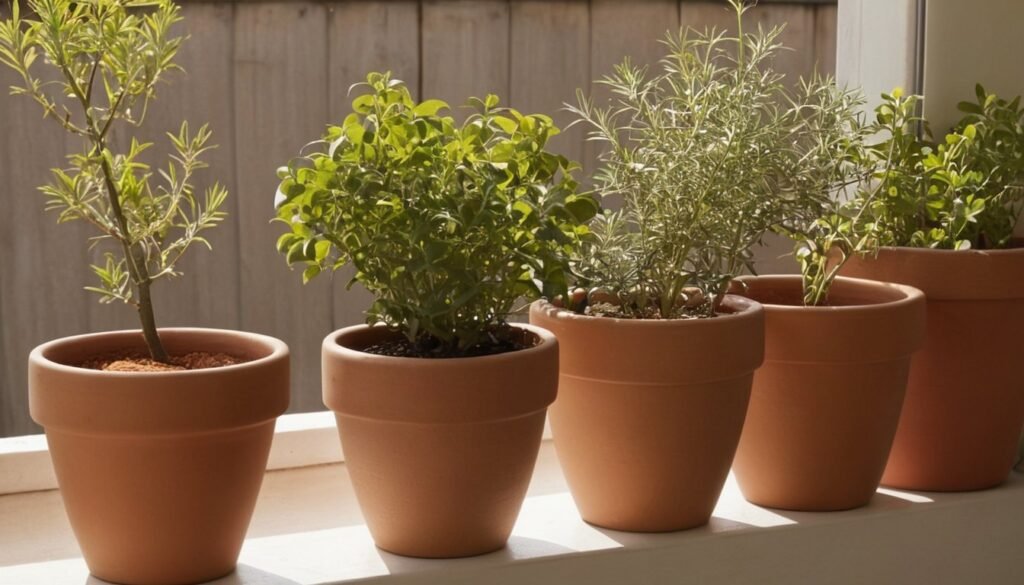
A large pot with a gritty, free-draining mix is a reasonable option where garden soil stays wet, though pots dry out faster in summer, so check moisture often. Choose a compact cultivar, as the species reaches about 2 to 2.5 m.
For more plants, ANBG says half-hardened tip cuttings of about 7 to 8 cm give the best results, and soft tip cuttings also root well. ANPSA notes that seed is relatively easy and needs no special pretreatment. Seedlings and cuttings vary in flower colour and habit, so named cultivars are the safer choice if you want a particular look.
Common mistakes
- Planting in a low spot or heavy, waterlogged soil.
- Siting it in shade or a closed-in corner in a humid area.
- Skipping pruning, then cutting hard into bare old wood.
- Over-watering and over-feeding. If you fertilise, use a slow-release fertiliser suited to natives, at label rates.
- Relying on one cultivar description for a different plant.
For wider decisions about where this shrub fits among other options, see our guide to choosing plants for an Australian garden.

 By anastasnowla@gmail.com


No comment yet, add your voice below!