
Blueberries grow well in a large pot if you give them three things: a type matched to your winter chill, an acidic potting mix, and steady moisture. In warm subtropical gardens, choose low-chill types; in cooler areas, rabbiteye and some highbush types become options.
Pot growing suits blueberries because you control the mix. Their roots sit near the surface, so watering and mulch matter more than fertiliser.
Which type suits your climate?
Blueberries need a cold winter spell to flower and fruit well. Nurseries describe this as “chill hours”, the hours below 7 degrees Celsius over autumn and winter. The Diggers Club guide gives these ranges:
| Type | Chill needed (hours below 7°C) | Where it generally fits |
|---|---|---|
| Southern highbush | About 250 to 600 | Subtropical coast, warm temperate areas |
| Rabbiteye | About 450 to 600 | Milder temperate areas, cooler frost-free sites |
| Northern highbush | About 750 to 1100 | Cool temperate areas, Tasmania, highlands |
The “where it fits” column is an editorial reading of those ranges, not a rule. Chill figures come from a nursery, not a state agriculture department, and different suppliers quote different numbers. Treat them as a guide.
In practice:
- Tropical and warm subtropical areas: chill is limited, so results may be patchy even with low-chill types. Ask a local nursery which varieties fruit in your suburb.
- Subtropical coast and inland south-east Queensland: start with low-chill southern highbush types.
- Temperate areas (Sydney, Melbourne, Adelaide, Perth): southern highbush or rabbiteye are the usual starting points; Melbourne-area gardens with colder winters can also try higher-chill types.
- Cool and highland areas, including Tasmania: higher-chill types become realistic, but late frost can damage flowers, so site the pot out of frost pockets.
- Arid areas: heat, wind and hard water make this a tougher crop. A shaded, sheltered spot and careful watering are essential.
Variety names change over time, so ask the nursery for the type and its stated chill need rather than relying on a name from an old list.
What potting mix and pot size work?
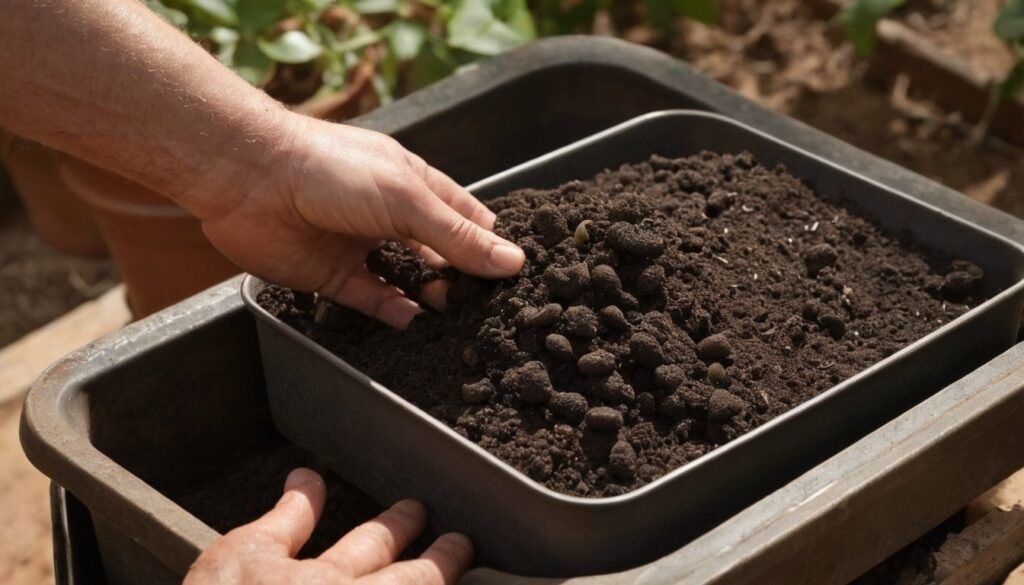
Blueberries need acid conditions. Diggers gives a soil pH of 4.5 to 5.5, and Searles Gardening suggests an azalea and camellia type mix with a pH around 4 to 5.5 for potted plants. Look for that kind of mix at a nursery and check the label says it is acidic. General potting mix, garden soil and heavy mixes are poor choices.
For size, University of Wisconsin Extension suggests starting around a five-gallon pot (roughly 19 litres) and moving to a larger one as the plant matures. A starting pot of about 30 to 40 centimetres across, then 50 centimetres or more later, is a reasonable editorial guide. Whatever the size:
- Use a pot with several drainage holes.
- Prefer a pale or glazed pot. Black pots heat up and dry out faster.
- Raise the pot slightly on feet so water drains freely.
- Add a layer of mulch over the surface to keep roots cooler and moister.
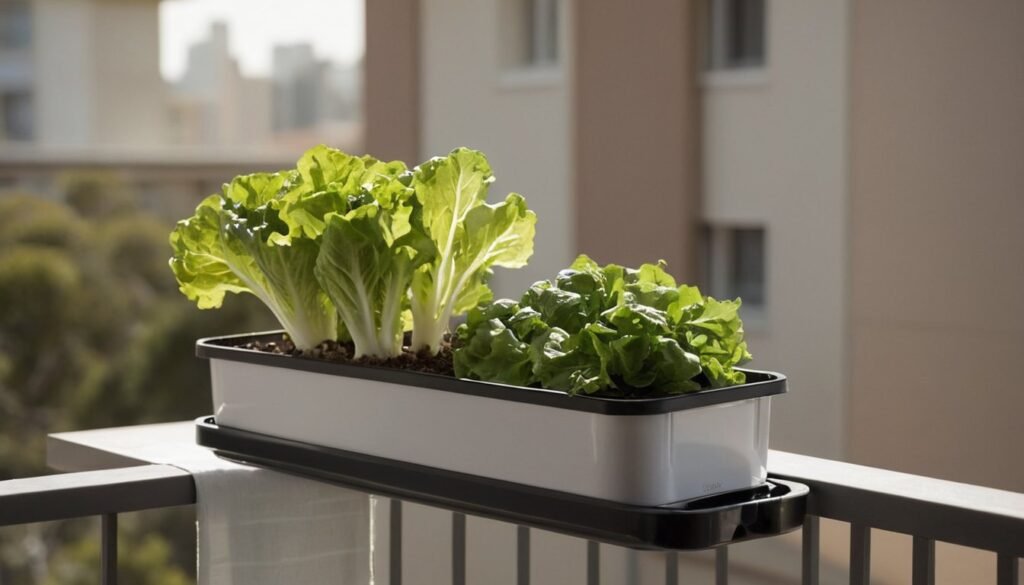
Large pots are heavy when wet. If you are on a balcony, check the load and drainage first, as covered in our guide to balcony gardening across Australia.
How should you water, and does the water matter?
Keep the mix moist but not soggy. Searles notes that irregular watering leads to poor fruiting or bud drop, and that potted plants need water often in warm weather and while fruiting. In a Queensland summer that can mean daily checks. Push a finger into the mix: if the top few centimetres are dry, water.
Water quality matters in a pot, because there is no soil to buffer it. University of Georgia Extension notes that irrigation water above about pH 6.0 is a concern for blueberries, and that colour-sensitive test strips can monitor water pH. That advice comes from commercial growing in the United States, but the principle applies: alkaline water can slowly push an acidic mix towards neutral.
Where your tap water is hard or alkaline, rainwater is a sensible alternative. Wisconsin Extension prefers rainwater over well water for containers. Australian tap water varies widely by town, so test yours with a pH strip before assuming it is a problem. Water from a rainwater tank is not always acidic either, especially if the tank has concrete or lime in its construction, so test that too.
Give the pot an occasional deep soak so water runs out of the drainage holes. This helps flush accumulated salts.
Do you need more than one plant?
Plant at least two, ideally different varieties of the same group. Diggers says Southern Highbush types typically need another blueberry to cross-pollinate. Wisconsin Extension notes that most cultivars are self-fruitful but that more than one cultivar improves pollination, yield and berry size. In short, two plants give better odds of a good crop, and a single plant may still set some fruit.
Choose varieties that flower at the same time. A nursery can tell you which pair works. Place the pots close together so bees move easily between them.
If you only have room for one pot, ask whether the variety is self-fertile and accept a smaller crop.
How do you keep birds off the fruit?
Birds find ripening berries quickly. Use fine, wildlife-friendly netting or bird-friendly bags. Searles recommends bird-friendly netting or bags around developing fruit, and Diggers advises securing the net firmly and tightly so birds, reptiles and other animals do not become tangled.
Drape netting over a frame so it does not rest on the fruit, and fasten it at the base of the pot. Check it every day or two for trapped animals, and release any promptly and gently. Loose, sagging netting is the main hazard.
How do you prune and feed a potted blueberry?
Pruning is light. Searles advises removing only dead and wayward branches after fruiting has finished. Diggers adds that stems three to four years old can be removed completely at ground level, or back to a vigorous young side-shoot, which keeps the bush producing new fruiting wood. Young plants may take a couple of years to crop, so expect little in the first season.
For feeding, an azalea and camellia type fertiliser at label rates suits the acid-loving habit. Slow-release products in the potting mix may already cover the first months. Do not add lime or general garden fertilisers, which can raise pH. For anything beyond that, check the product label and your state agriculture department.
If you also grow other crops in containers, such as the leafy greens in our salad trough guide, keep the blueberry’s mix and fertiliser separate: salad crops prefer a less acidic mix.
When and how do you harvest?
Berries ripen over several weeks, usually in late spring and summer depending on your climate and variety. Pick every few days. Diggers advises picking when berries are blue all the way around with no green near the stem, because blueberries do not sweeten after picking. Searles describes the colour as mauve-blue; judge ripeness by fully blue colour and by berries that come away with a gentle touch.
Common mistakes
- Using general potting mix or garden soil.
- Planting a single high-chill type in a warm subtropical garden.
- Letting the pot dry out between waterings.
- Hard tap water used year-round with no pH check.
- Netting left loose or sagging.
- Heavy pruning in the first two years.
What else could you grow nearby?
Blueberries are one option for a balcony or courtyard fruit pot. If you want a different fruit, the guide to dwarf fruit trees compares other pot-friendly choices, and the planning advice in the balcony guide above applies to all of them.
Start with two plants of low-chill or rabbiteye types suited to your area, an acidic mix, and a spot with morning sun. Then test your water and adjust.

 By anastasnowla@gmail.com


No comment yet, add your voice below!