
Most ants in a garden are harmless, and some are quietly useful. They become a problem when they climb a plant in a steady line, because that usually means they are tending sap-sucking insects such as aphids, scale or mealybug for their sugary honeydew. In that case the ants are a symptom, and the lasting fix is to manage the insects they are protecting.
Why are there ants on my plant?
Ants on the ground, along paths or around a mulch edge are just foraging. Ants travelling up and down a trunk or stem in numbers are a different signal.
The ACT Government’s guide to scale, ants and mould describes the arrangement plainly. Sap-sucking insects (scale, leafhoppers, lerps or aphids) give the ants a drop of honeydew, and the ants protect them from predators. The same guide says this occurs seasonally, or when the plant is stressed or unhealthy.
The trade is not only about guarding. A University of California Master Gardener article notes that ants have been seen “farming” aphids, driving off beneficial insects and even relocating aphid eggs. Honeydew producers also include soft scales, whiteflies and mealybugs, so the culprit may not be an aphid.
How do you tell harmless ants from ants that matter?
Follow the trail. Walk along the line of ants until you find what they are visiting. A short, patient look at new growth, the underside of leaves and the stems usually answers the question.
| What you see | Likely meaning | What to do |
|---|---|---|
| A few ants on the soil or paving | Foraging, no link to the plant | Leave them alone |
| A steady line up a trunk or stem | Tending sap-suckers | Find and manage the insects |
| Clusters of soft bodies on new shoots | Aphids | Wash, wipe or prune |
| Hard bumps on stems and leaf undersides | Scale | Rub off small numbers by hand |
| White cottony patches in leaf joints | Mealybug | Wipe or prune off |
| Sticky, shiny leaves, then black film | Honeydew, then sooty mould | Deal with the insects first |
If the black film is already there, the guide to sooty mould on leaves explains why the mould is a result of honeydew and what to expect once the insects are controlled. Black marks are not always sooty mould, so if the leaves look scorched or blotchy rather than sooty, the notes on brown patches on leaves will help you rule out other causes.
If you suspect fire ants, report them to your state biosecurity hotline rather than disturbing the nest.
When are ants actually useful?
Plenty of the time. Ants move through soil and leave behind galleries. The Australian Museum notes that the soil in ant nests is less compacted and richer in nutrients than the surrounding soil, which is one reason ants are credited with helping seedlings establish in tough ground.
Ants are also the most common insect seed dispersers, and many Australian native plants rely on them to carry seeds away from the parent. If you grow natives from the local bush, ants may be part of how those plants spread.
Ants also hunt small insects and scavenge dead ones. Some sources describe them eating pest eggs and larvae, though they also protect other pests, so their net effect depends on what is on the plant. Treat that as variable, not as a reason to welcome ants onto every shrub.
The practical rule is simple. Leave ants alone in lawns, paths, compost surrounds and bare soil. Act only when they are in a line up a plant that is struggling.
What should you do about ants farming sap-suckers?
Start with the insects, because they are the real damage. Without the ants, predators can reach them again. The Washington State University aphid fact sheet lists the non-chemical options in order.
- Wash them off. A fairly strong stream of water knocks aphids from the plant. Do it early in the day and keep the stream gentle enough not to damage flowers or young leaves.
- Wipe or prune. For small, localised infestations, hand-wiping or cutting off the affected tip is effective. Scale insects can be rubbed off with gloved fingers, as the ACT guide suggests.
- Interrupt the ants. Shake them off the plant and block their route back up (see the next section).
- Let predators in. Lacewing larvae, ladybird beetles, hoverfly larvae and soldier beetles all feed on aphids. A mix of flowering plants nearby keeps them in the yard. The ACT guide notes that small native birds also eat insects once the ants stop guarding them.
- Check the feeding. The same WSU fact sheet notes that high nitrogen encourages aphid reproduction, so avoid heavy, soft-growth feeding. A slow-release fertiliser at label rates is a safer habit.
Stressed plants are the easy targets. Steady watering, mulch and sensible pruning go a long way, and the pillar guide to garden pests in Australia shows how to separate the common sap-suckers from caterpillars and chewing pests.
Do sticky bands and barriers on trunks work?
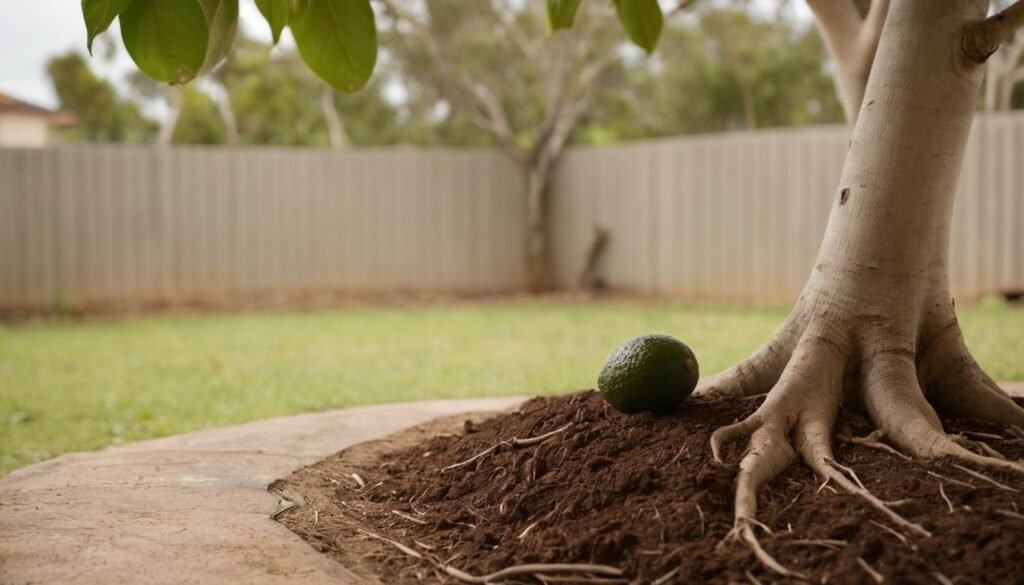
They can, on a tree or shrub with a single clear trunk, because they cut the ants’ route to the insects. The ACT guide suggests smearing a barrier on the trunk to stop the ants returning. The University of California article describes a sticky collar wrapped on fabric tree wrap or tape around the trunk, and says to check it for debris that gives ants a bridge across.
Use these notes to get it right:
- Apply the sticky material to a wrap, not straight onto bark, so it can be removed cleanly.
- Make the band continuous and tight against the trunk so ants cannot slip behind it.
- Prune any branches, ties or stakes that touch the ground or a fence, because ants will cross on those instead.
- Check weekly. Leaves, dust and dead ants make bridges that defeat the barrier.
- Remove the band when the problem is over, especially on thin-barked young trees.
A barrier does not remove the insects. It works best alongside washing, wiping or pruning. Before choosing any commercial product for the band, check the product label and your state agriculture department.
What about ants in pots and raised beds?
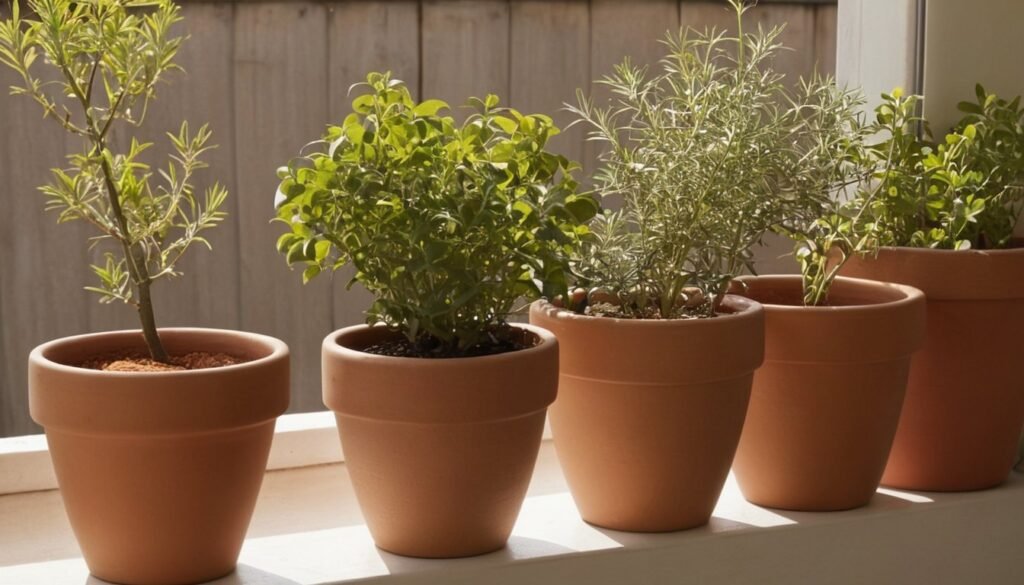
Ants like pots and beds because the potting mix is warm, loose and easy to tunnel. A nest in a pot may not harm the plant directly, but it can disturb roots and dry out the mix, and the colony may be tending sap-suckers on the same plant.
Soak the pot thoroughly. In a pot, flooding the mix is a simple way to push the colony out. Stand the pot in a tub of water for a while, or water slowly until water runs freely from the base, then lift it onto a stand or bricks so ants do not return. Repeat if they come back. This is an editorial suggestion, not a researched method, and it works only for a nest inside the container.
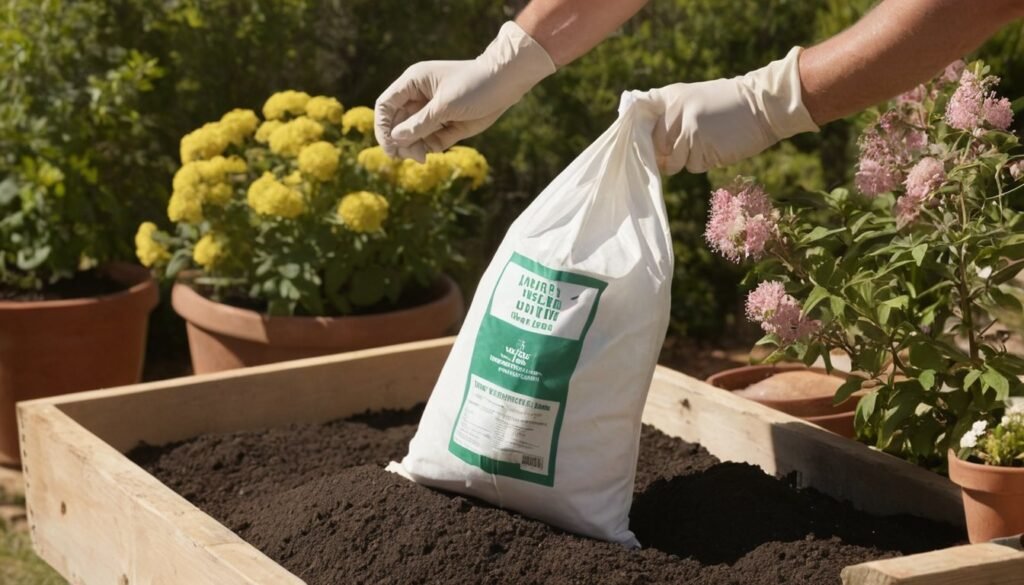
In a raised bed, turn over the affected area while preparing it for a new crop and water deeply. The colony will often shift elsewhere. If you see ants on the stems of vegetables or herbs, look for aphids first and wash them off before eating anything.
Common mistakes:
- Treating the ants and ignoring the aphids or scale feeding above them.
- Spraying hard on a hot day, which can burn leaves.
- Leaving a trunk band to clog with debris, giving ants a bridge.
- Over-feeding with nitrogen, which grows more soft shoots for sap-suckers.
- Treating every ant on the lawn as a threat.
How does timing change across Australia?
Ant and sap-sucker activity follows warmth. In the tropics and subtropics, expect it for much of the year, with flushes of new growth in spring and after wet-season rain. In temperate zones, spring through autumn is the main window. In cool areas and Tasmania, activity is concentrated in the warmer months and slows through winter. In arid regions it follows rain and irrigation.
Early spring, as new growth starts, is a good time to check trunks and fit a band before numbers build up. The University of California article gives the same early-spring timing for its own climate, so treat that as a principle and adjust it to your local conditions.
A short checklist
- Follow the ants to see what they are visiting.
- Leave ants on soil, lawns and paths alone.
- Wash, wipe or prune the sap-suckers.
- Add a tight, regularly checked band on a clear trunk if needed.
- Flood and lift pots with a nest.
- Ease off nitrogen and keep plants well watered.
- If you suspect fire ants, report them to your state biosecurity hotline.

 By anastasnowla@gmail.com

No comment yet, add your voice below!